10 Cheap Garden Landscaping Ideas for Your Yard That Deliver the Most Bang for Your Buck
20 January, 2026
⚪
Johansson
Home > Blog > This Blog
It often happens that I look at a dilapidated or unmaintained front yard and see so much potential. I can picture a welcoming path lined with greenery, a side yard that does more than just collect trash, and a backyard that invites people to spend time outside.
The reason why most people keep their yards in a bad condition rather than turning them into the paradise I just described is the cost of doing so. Today, you call a landscaper and straightaway, you’ll get a quote of $8,000. That’s the average cost for a landscaping project right now. If you want ongoing maintenance on top of that, it’s another $100 to $200 per month. Just like that, the vision of a beautiful garden begins to feel out of reach.
Here’s what I’ve learned from years of designing outdoor spaces: the best gardens aren’t always the most expensive ones, but those that solve real problems with smart design choices. In this blog, I’ll walk you through the ten best low-budget backyard landscaping ideas that can transform your yard completely.
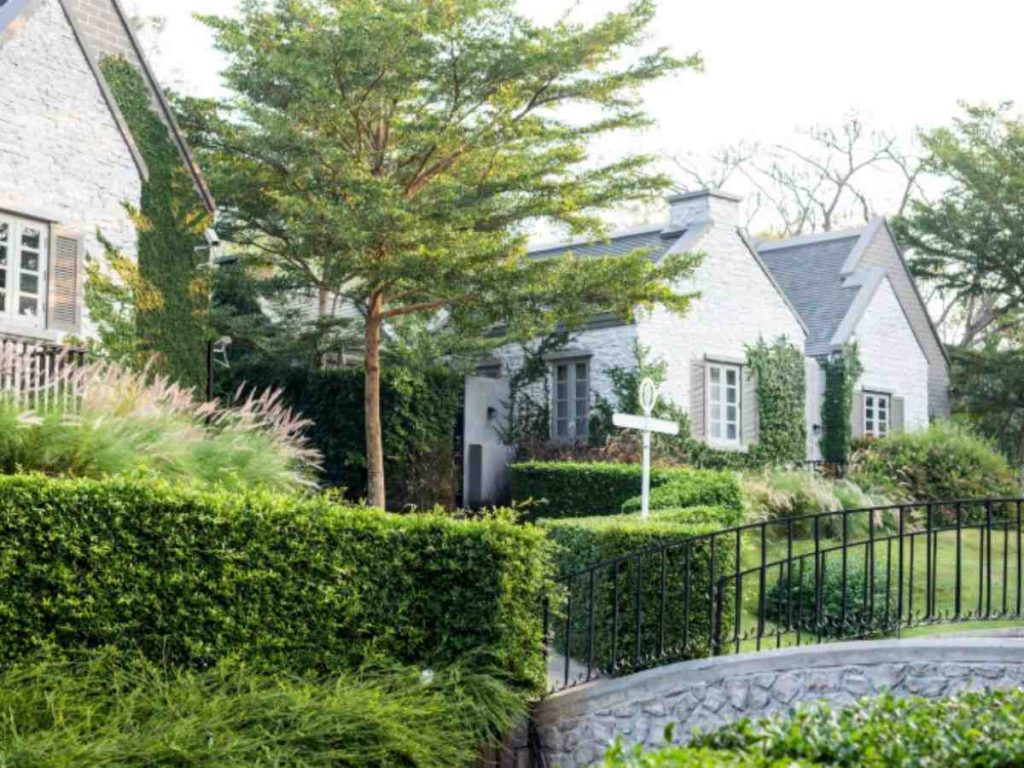
The numbers make it clear. Most homeowners completed an average of 2.6 landscaping projects in 2024, with many choosing smaller projects in the $1,000 to $2,000 range instead of full-scale renovations. When you compare approaches, DIY projects average around $2,700, while professional projects run approximately $8,100. Labor often accounts for 60% or more of the total cost.
But budget landscaping offers more than savings. Working on your own garden teaches you how water moves through your yard, which areas get morning versus afternoon sun, and what your soil needs. These insights compound over time, making your second project faster and more informed than your first.
Before spending money on anything, assess what you're working with. Walk your property in the morning, midday, and evening. Notice where light falls, which areas stay wet after rain, and spots where you naturally want to linger.
Take photos from different angles. Pay attention, and you’ll spot some problem areas, like an awkward strip along the fence or where grass won't grow. You'll also notice hidden assets: a mature tree providing shade, a gentle slope for terraced beds, or a side yard wide enough for a functional path.
Prioritize based on use and visibility. Your front yard affects curb appeal. If you spend weekends in the backyard, that's where your budget should go. For side yards, decide whether they're just pass-throughs or could become functional outdoor spaces.
Lastly, address drainage before aesthetics. Water problems undermine everything else. If areas pool after rain or slopes erode, fix drainage concerns first with simple grading changes or basic French drains. You can't maintain healthy plants in waterlogged soil.
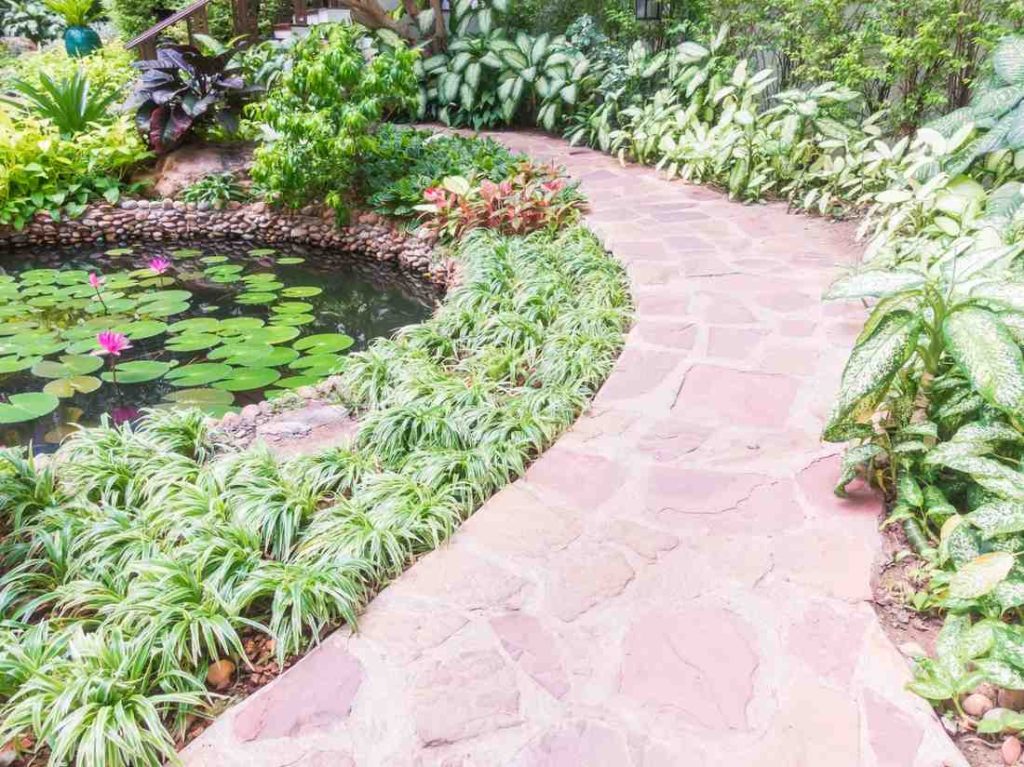
A budget forces you to direct the most time and effort towards the most important areas. So, decide what you can afford (whether it’s $500 or $2,000), and divide it: 50% for materials, 30% for plants, 10% for tools, and the other $10 for contingencies.
Next, phase your project over time. Start with high-impact, low-cost improvements like mulch and perennials, and tackle raised beds and hardscaping later. This keeps spending manageable while making steady progress.
Apart from the budget and timeline, you should always know when to undertake DIY landscaping and when to call for help. Planting, mulching, building simple beds, and creating paths are DIY landscaping ideas that can save you money. However, electrical work, major grading, retaining walls, and complex irrigation warrant professional intervention.
Poorly planted flowers can be fixed, and you can remember what not to do next time. But a poorly installed patio needs to be redone by professional designers. It’s important to know the difference.
After spending more than twenty years in the design industry, I am in a position to share some ideas to improve your yard without breaking the bank. These strategies all share something in common: they create visible improvements without requiring professional help or major financial investment.
Mulch might be the single best return on investment in a budget-friendly landscape. A fresh layer immediately makes gardens look maintained and intentional.
Economy mulch costs between $2-$6 per bag, or you can buy in bulk from local garden centers for even less, typically $15 to $30 per cubic yard if you pick it up yourself. For side yards and areas along your house, mulch suppresses weeds, retains moisture, and creates clean visual boundaries between different zones.
The application is straightforward. Clear existing weeds, lay down cardboard as a barrier (it's free if you save boxes from deliveries), then spread 2 to 3 inches of mulch on top. Wood chips work well for most applications, but consider pine needles for acid-loving plants or decorative stone for high-visibility areas that need longer-lasting coverage.
Annuals give you color for one season, then you're buying new plants next year. Perennials return season after season, making them ideal, cheap budget small garden ideas that pay dividends over time.
Individual perennials cost between $5-$50, depending on size and variety, but they bloom for 20 years or more with minimal care. Daylilies, coneflowers, hostas, and lavender all establish well and spread naturally to fill space.
Here's a practical way to do it: buy smaller specimens rather than mature plants. A 4-inch pot costs significantly less than a gallon container, and within two growing seasons, you won't see the difference. Many perennials also divide easily, so one purchase can become three plants in a few years. Ask neighbors with established gardens if they're dividing plants; most gardeners are happy to share.
Pathways define space and create structure in your garden. They direct movement, protect plants from foot traffic, and add visual interest to flat areas.
For backyard landscaping ideas on a budget, stepping stones work well. Individual pavers cost $1 to $15 each, and you need fewer than you might think. Space them about one comfortable step apart, and set them into the existing lawn or a bed of pea gravel.
Gravel paths cost even less. Outline your desired route with simple landscape edging, then fill with crushed stone or pea gravel. This approach works particularly as a part of landscaping ideas for the side of the house, where you need a functional path but don't require a formal walkway. The gravel provides excellent drainage while keeping mud at bay.
Recycled materials offer another route. Salvaged bricks, broken concrete pieces, or reclaimed pavers from renovation projects cost nothing if you source them yourself. The irregular shapes actually add character to informal garden settings.
Most homeowners see side yards as wasted space, but these narrow areas offer real potential for landscape ideas for the side of the house.
For sunny side yards, install vertical gardens along the fence. Simple trellises cost $20 to $50, and climbing plants like clematis grow upward instead of outward, maximizing limited width.
In shaded areas, embrace the conditions with ferns, hostas, and shade-loving ground covers. Add solar path lighting to transform a dark alley into an inviting passage.
For practical purposes, add a narrow potting bench against the wall or a custom-sized storage shed. This keeps gardening activities organized without cluttering your main outdoor spaces.
Seed packets cost between $1.50-$3.50, while a single seedling often runs $4 or more. A packet of 100 seeds gives you far more plants than you need, at a fraction of the cost.
Fast-growing vegetables like lettuce, radishes, and beans go from seed to harvest in weeks, making them ideal for impatient gardeners on a budget. Flowers like zinnias, marigolds, and sunflowers also germinate easily and fill space quickly.
The process is simple. Start seeds indoors in repurposed containers. Yogurt cups, egg cartons, or newspaper pots all work fine. Then, transplant them outside once they're established. This gives you control over timing and saves money on seedlings you'd otherwise purchase.
For perennials and wildflowers, direct seeding works well. Scatter seeds in prepared beds in early spring or fall, water regularly until they germinate, then let them establish naturally. This method takes patience but costs almost nothing.
The best cheap landscaping ideas to improve your yard often come from looking at ordinary objects differently. Old wheelbarrows, wooden crates, metal buckets, and even worn-out boots become planters with drainage holes drilled in the bottom.
This costs virtually nothing, using items you already own or thrift-store finds. Larger repurposed items work as focal points. A vintage bathtub filled with annuals or painted stacked tires makes distinctive raised planters.
Ensure proper drainage by drilling several holes in the bottom and adding a layer of gravel before soil. Plants in waterlogged containers rot regardless of how creative they look.
Rain barrels cost between $80-$120 for basic models, and some water districts offer them free or heavily discounted. For cheap backyard ideas for small yards, this investment pays for itself through reduced water bills and healthier plants.
A single rain barrel collects runoff from your roof's downspout, storing water for use during dry periods. Rainwater contains beneficial nutrients and lacks the chlorine found in tap water, which means your plants often grow better with it.
Installation takes minimal effort. Position the barrel under a downspout, ensure it sits on a stable, level base, and attach a spigot near the bottom for easy access. During heavy rains, a standard barrel fills in minutes, giving you a reserve for the days when watering costs money.
Multiple barrels can connect to increase storage capacity. If you have space, this setup can provide enough water to maintain container gardens and flower beds throughout dry spells without touching your main supply.
Native plants adapt to local conditions naturally, which means less watering, less fertilizer, and fewer pest problems. Native plants will thrive in your region’s soil and climate because they have evolved to do exactly that.
Research what's native to your area; your local extension service or native plant society can provide specific recommendations. In most regions, you'll find native options for every purpose: ground covers, perennials, shrubs, and trees.
The cost varies, but native plants typically range from $5 to $50 per specimen, similar to non-native alternatives. The difference shows up in maintenance. You'll water less frequently, skip most fertilizers, and rarely deal with diseases that plague plants unsuited to your climate.
Native plants also support local wildlife. Birds, butterflies, and beneficial insects rely on these species for food and habitat. If you want to landscape your garden while being careful about the environmental impact, choosing native plants makes sense.
Raised beds give you control over soil quality and drainage, particularly valuable in yards with poor native soil. DIY garden bed kits cost $5 to $15 per square foot, but you can build your own for less using reclaimed lumber, cinder blocks, or stacked stones.
For the budget-friendly approach, use untreated pine boards. They'll give several good growing seasons before breaking down. Cedar or redwood resists rot longer, but can cost more upfront.
Fill beds with a mix of compost, topsoil, and garden soil. Making your own compost from kitchen scraps and yard waste reduces this cost to near zero. For larger beds, buy soil in bulk rather than bags for significant savings.
Solar landscape lights eliminate electrical work while creating ambiance. Basic solar path lights cost between $10 and $30 per set and can be installed in minutes.
String lights transform ordinary spaces into evening retreats. Hang them along fences or overhead to create a ceiling of light in narrow side yards or dining areas.
For gardening enthusiasts, lighting extends usability into evening hours. Layer different sources: path lights guide movement, string lights create atmosphere, and occasional spotlights highlight features. Start with one type, then add others where they make sense.
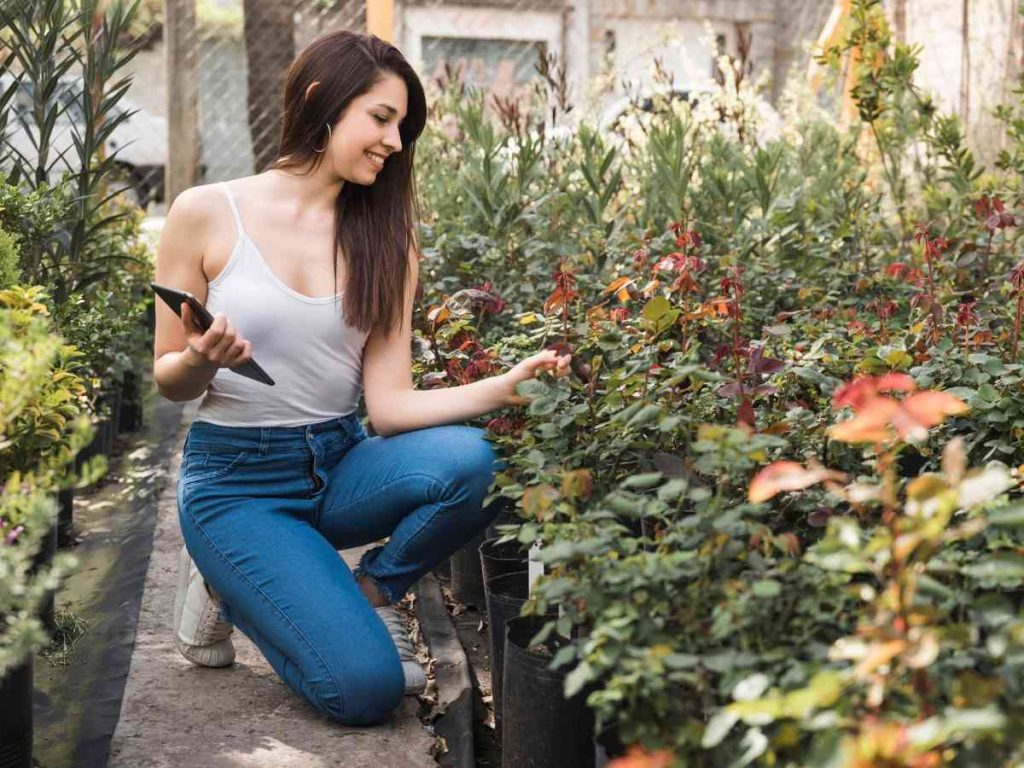
Even if you’ve made up your mind about landscaping your yard in a budget-friendly way, don’t act on the thought yet. Spend a weekend observing things. Mark areas that need the most work, note sun patterns and drainage, and plan your sequence. This helps you prevent expensive mistakes like transplanting because things were in the wrong spot.
Match plants to your maintenance tolerance. While roses look beautiful, these varieties demand regular care. If you’re someone who can garden only on weekends, then perhaps choosing varieties that forgive irregular attention, like sedums, daylilies, ornamental grasses, and native shrubs, might be a better choice.
Buy fewer, higher-quality plants rather than filling gaps immediately with many small specimens. One healthy perennial spreads over seasons, eventually filling the space you'd otherwise pack with five struggling plants.
Test your soil before planting. Simple kits cost under $20 and tell you what amendments you need. Planting in compacted, nutrient-poor soil produces disappointing results regardless of how much you spend on plants.
The most cost-effective approach starts with mulch to define beds and suppress weeds, followed by perennial plants that return each year. Add simple gravel or stepping stone paths to create structure, and use repurposed containers for focal points. This combination typically costs $500 to $1,000 for an average backyard but creates lasting improvements.
Focus on curb appeal basics: edge existing beds cleanly, add a fresh layer of mulch, plant perennials in groups for impact, and create a defined pathway to your entrance. These improvements cost $300 to $600, depending on yard size, but immediately improve how your home presents from the street.
Yes, many materials are available for free if you know where to look. Tree removal services often deliver wood chip mulch at no charge. Broken concrete from demolition projects works for informal pathways. Cardboard boxes serve as weed barriers under mulch. Compost made from kitchen scraps and yard waste replaces purchased soil amendments.
Well-maintained lawns, defined garden beds with perennials, mature trees, and clean hardscaping elements like paths and edging provide the best return. Focus on curb appeal in the front yard and creating a usable outdoor living space in the back. These improvements typically return 100% to 200% of their cost when selling.
Start by improving what you already have: edge beds cleanly, remove weeds, and organize existing plants into intentional groupings. Propagate plants from cuttings or divisions from neighbors. Use collected leaves as mulch. Make compost from kitchen scraps. Save seeds from existing plants. These zero-cost approaches improve appearance while you save for material purchases.
Budget landscape design isn't about settling for less. It's about making choices that work within your financial reality while still creating outdoor spaces you actually want to use.
The cheap budget small garden ideas I've outlined here all share a common characteristic: they solve real problems without requiring professional help or significant investment.
Start with one project that addresses your biggest frustration. Maybe that's the muddy side yard that needs a simple path. It could be the bare patch in front that needs perennials and mulch. Or perhaps it's just getting that rain barrel installed so you stop paying to water your containers.
One project leads to the next. You see what works in your space. You learn what you enjoy doing and what you'd rather skip. Your garden becomes less about following someone else's vision and more about creating something that genuinely fits how you live.And if none of these DIY scenarios sound right for you, professional landscape designers like Johansson Design are always there to free you from the gardening and landscaping duties.