Dark Academia Apartment Decor Ideas to Make Your Space Pinterest Worthy
11 February, 2026
⚪
Johansson
Home > Blog > This Blog
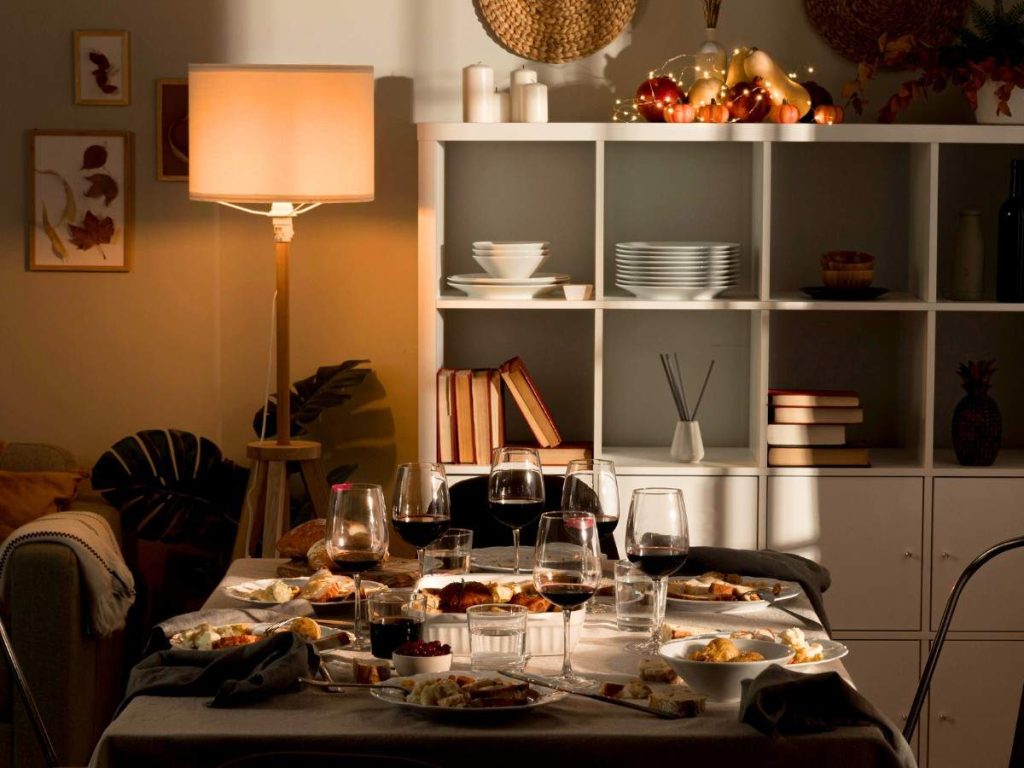
I blame Donna Tartt. One minute you're reading The Secret History, the next you're googling "vintage globe lamp" at 2 AM and wondering if your landlord would notice forest green walls. The dark academia apartment aesthetic has that effect on people.
Here's the thing, though. You don't need a Gothic mansion or an Ivy League trust fund to create this look. Dark academia thrives in small apartments because it's built on accumulation and atmosphere rather than architectural bones. A 600-square-foot studio can feel like a Victorian scholar's study with the right approach. And according to a recent survey of interior designers, you're not alone in wanting this cozy living vibe. Maximalism now tops the list of most-requested styles, with 39% of designers citing it as their clients' preference.
In this guide, I’ve tried to cover everything about the dark academia apartment aesthetic, from color choices to furniture hunting to the small details that pull a dark academia apartment together.
Literary roots of dark academia interior design. Dark academia didn't emerge from an interior design trend report. It crawled out of literature, film, and a collective nostalgia for institutions most of us never attended. The aesthetic draws heavily from novels like The Secret History and films like Dead Poets Society. These stories romanticize the pursuit of knowledge and spaces that feel heavy with history.
The visual language borrows from 19th-century European universities and English boarding schools. Think dark wood paneling, leather chairs worn soft from decades of use, and books arranged not by color but by how often they've been read. Candles flickering on mantels. There was a faint smell of old paper and leather polish.
What makes this aesthetic resonate now? Part of it is reaction. After years of all-white minimalism, people crave warmth and texture. Searches for vintage maximalism have climbed 260% among Gen Z users on Pinterest. There's hunger for spaces with personality, for rooms that tell a story.
The dark academia apartment aesthetic actually benefits from constraint. Smaller rooms feel cozier wrapped in deep colors. Limited wall space forces thoughtful curation. And the renter's inability to make permanent changes pushes creativity.
The dark academia room decor comes from the most idealized facets of a bookish life. It's moody, quiet, warm, and full of artful clutter that only readers naturally accumulate. Most of that clutter is portable. You can pack this aesthetic into boxes when your lease ends.
Color does the heavy lifting in any dark academia style. The palette pulls from autumn forests and old libraries. Deep burgundy, forest green, chocolate brown, navy blue, and charcoal. These colors fill a room with presence.
Interior designers recommend using deep purple, forest green, and navy to create depth and intimacy. Balance these hues with warmer neutrals like taupe or aged gold. The goal isn't a cave. It's a space that feels enveloping without becoming oppressive.
For renters who can't paint, color enters through other means. Removable wallpaper in dark plaids. Velvet curtains in oxblood. Persian-style area rugs. Bedding in jewel tones. Even propping large canvases against the wall shifts a room's entire temperature.
Books aren't optional. They're load-bearing. Stack them on coffee tables, line them on shelves, pile them beside your bed. Hardcovers read better than paperbacks for aesthetic purposes, though both belong in a functioning library.
I recommend home libraries as essential bonus rooms. Apparently, 34% of designers agree with me, citing home libraries among top suggestions for a dark academia style interior. In an apartment, your "library" might be a single tall bookcase. The scale matters less than the commitment. Fill it densely.
Walls need attention. Empty walls read as unfinished rather than minimal. Fill them with framed botanical prints, vintage maps, classical art reproductions, or moody landscapes. Black and white photography of old architecture.
Gallery walls work beautifully because the aesthetic embraces visual density. Mix frame styles and vary sizes. A slightly imperfect layout feels more authentic than rigid geometry. Command strips protect walls and allow repositioning.
Living plants soften a dark academia space without undermining its moodiness. Trailing pothos, sprawling ferns. But dried botanicals carry particular resonance for this aesthetic. Dried roses in vintage vases. Pressed flowers framed on walls. They require zero maintenance and actually improve with age. The faded colors fit perfectly.
Cozy dark academia relies heavily on fabric. Velvet pillows in jewel tones. Wool throws draped over chair arms. Heavy curtains. Tapestries on walls. These textiles bridge the gap between warm modern interior design and vintage atmosphere.
Rugs deserve special attention. A Persian-style rug anchors a room and introduces pattern without requiring wall changes. Vintage rugs carry wear marks that reproductions lack, but affordable options exist at estate sales and online marketplaces. Layer a smaller rug over a larger one if the budget allows. The effect reads as collected rather than purchased in a single trip.
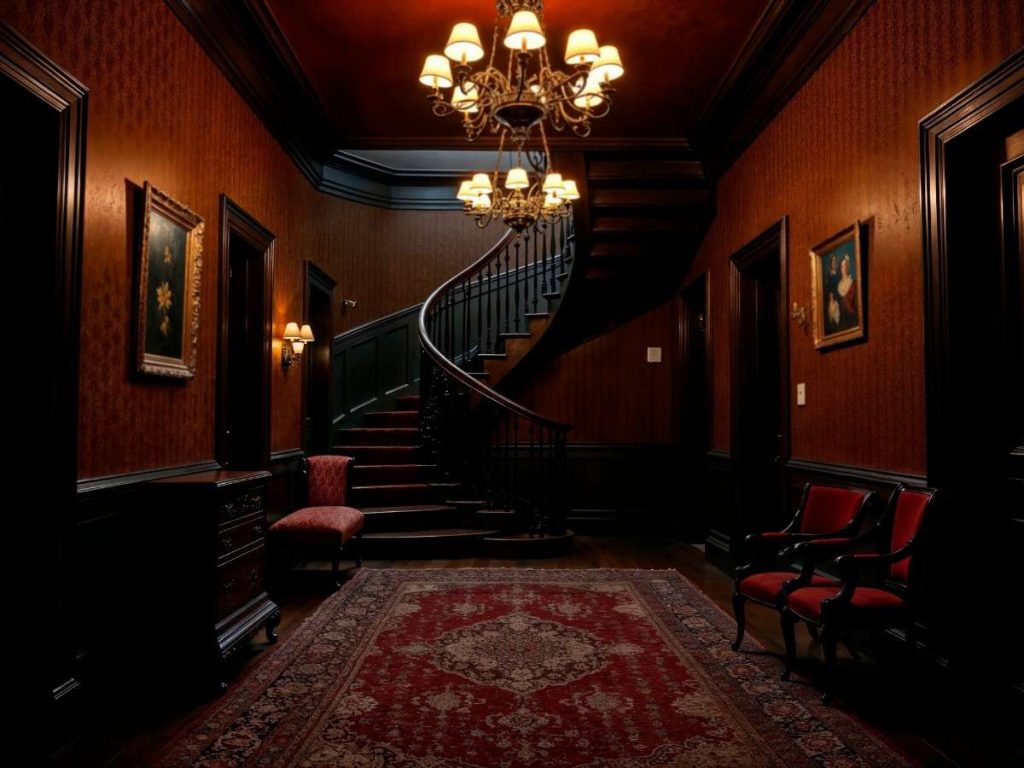
Studios work best with distinct zones. A sleeping area defined by a rug and a curtain. A work area anchored by a substantial desk. A sitting area with a reading chair facing a bookshelf. The same principles as that of NYC apartment interior design apply here: maximize every inch without sacrificing atmosphere. Each zone should feel intentional, even when sharing limited square footage.
Vertical space matters. Tall bookcases draw the eye upward and provide storage without eating floor space. Floating shelves above desks hold books and objects.
The dark academia bedroom centers on the bed. Dark wooden headboards or upholstered frames in velvet create visual weight. Layer bedding in burgundy, forest green, or deep blue. Add throws at the foot and pillows in varying textures. The bed should look like somewhere you'd spend a Sunday reading.
Nightstands hold stacked books, a reading lamp, and perhaps a candle. Keep technology hidden. The dark academia bedroom functions as a retreat from modern life, and visible screens break the illusion.
Start with seating. A leather sofa or velvet couch in a deep color. Armchairs that don't match exactly but share a mood. Coffee tables with lower shelves for book storage work double duty as display and function. If your apartment has an open floor plan, use furniture arrangement and rugs to define the living area.
The TV poses challenges. Modern screens clash with vintage aesthetics. Some people hide screens in cabinets. Others distract from the anachronism with the surrounding atmosphere. A TV mounted above a fireplace with a gallery wall reads better than one floating alone.
Overhead lighting has no place in dark academia. Flush mounts flatten a room's atmosphere into something resembling a dentist's office. The aesthetic demands layers. Multiple light sources at different heights create pools of warm illumination and pockets of shadow.
Start with table lamps. Brass bases with green glass shades carry obvious scholarly associations, but any lamp with visual weight works. The light should be warm, around 2700K. Add floor lamps near reading chairs. And candles. So many candles. Tapers in brass holders, pillars on stacked books. Even if you only light them occasionally, their presence signals intention.
If one light fixture gets splurge treatment, make it something you'll see constantly. A banker's lamp on your desk. A Tiffany-style lamp casting colored light across your reading nook.
Thrift stores often stock lamps needing only new shades or rewiring. A heavy brass base from the 1970s paired with a fresh black shade suddenly looks intentional rather than dated.
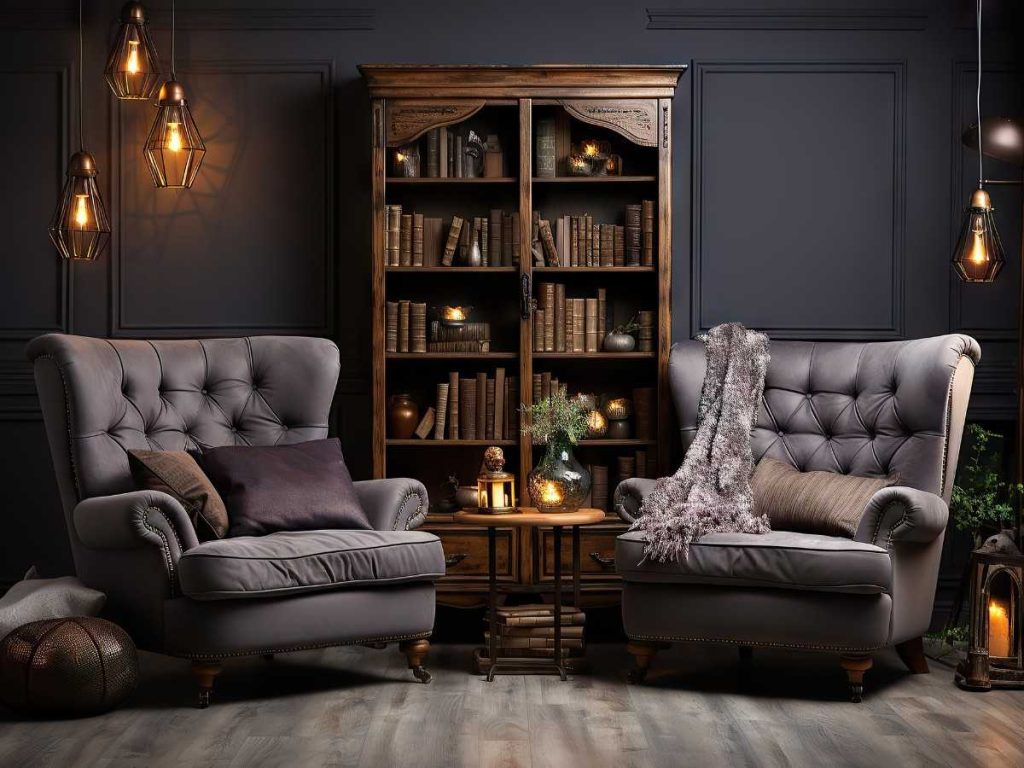
New furniture rarely captures the dark academia spirit. The aesthetic demands pieces that look like they've witnessed decades of late-night study sessions. Tufted leather sofas with brass nail heads. Wooden desks with drawers that stick slightly. Armchairs upholstered in velvet are worn thin on the armrests.
According to another survey, 36% of all items sourced for design projects in 2025 were vintage or antique. Designers and homeowners gravitate toward pieces with history because they add depth that flat-pack furniture cannot provide.
For apartments, prioritize a few anchor pieces. A substantial desk if you work from home. A reading chair with an ottoman. A wooden bookshelf that looks like it was rescued from a defunct law office. These larger pieces set the tone. Everything else supports them.
Where do you find these pieces? Estate sales remain the gold standard. Facebook Marketplace requires patience but yields treasures. Antique malls let you assess quality before buying. Keep your eyes open. The right piece tends to appear when you're not actively hunting.
Thrift store and antique mall finds. Budget constraints actually favor dark academia. Low-cost, high-impact decor transforms rooms without significant investment. Thrift stores stock brass candlesticks for a few dollars. Antique malls sell old books by the foot.
The hunt becomes part of the process. Dark academia celebrates the collected-over-time look, which means you shouldn't acquire everything at once anyway. Build gradually. Add pieces as you find them. This costs less and produces more authentic character than any single shopping trip could achieve.
Creating a dark academia apartment isn't about replicating someone else's Pinterest board. It's about building a space that reflects a love of books, beauty, and atmosphere you actually want to spend time in. The aesthetic welcomes imperfection. It celebrates the worn, the collected, the slightly mysterious.
Start with what you have. Rearrange furniture to create a reading corner. Stack the books you already own. Swap out a bright lamp shade for something darker. These small shifts accumulate into a transformation.
If you're considering a more comprehensive approach, working with professional interior designers like us at Johansson Design, who understand both aesthetics and practicality, helps. A strategic design approach considers how you actually live, not just how things photograph. The best dark academia apartments feel like home first and like Pinterest second.
Absolutely. Removable wallpaper, heavy curtains in dark colors, large area rugs, and densely filled bookshelves shift a room's atmosphere without touching the walls.
Gothic leans toward the explicitly spooky with skulls and horror-adjacent imagery. Dark academia shares the moodiness but focuses on scholarly pursuits and literary references. Think Victorian library versus haunted mansion.
Create zones using rugs, curtains, and furniture arrangement. Maximize vertical space with tall bookcases. Choose a few quality anchor pieces rather than cramming in too much.
Books in quantity. A reading chair. At least one table lamp with warm light. Candles. A rug in deep colors or traditional patterns. Velvet or wool textiles. And something brass.
Heavy curtains let you control light levels, drawing them open for daytime brightness and closed for evening coziness. Natural light during the day and lamp-lit ambiance at night create a nice contrast.