How to Make Your Home Cozy and Comforting with Warm Modern Interior Design
4 February, 2026
⚪
Johansson
Home > Blog > This Blog
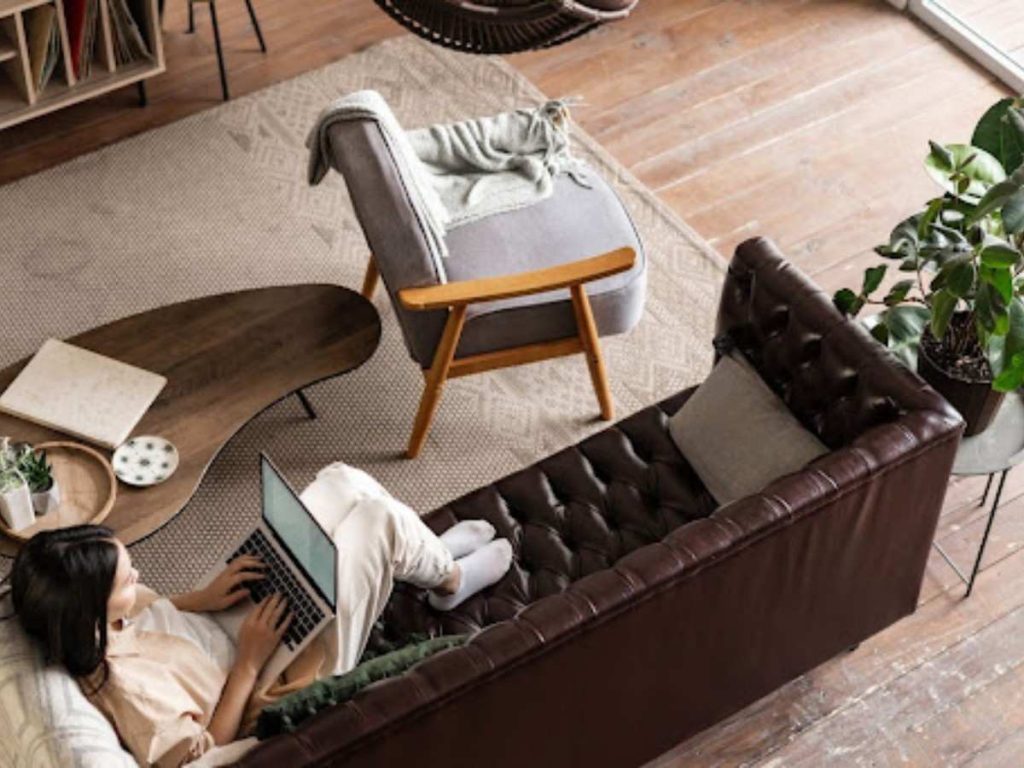
Modern homes often look stunning in photos, but feel cold to live in. Everything's white or gray, surfaces are hard, and you feel like you're in a waiting room rather than your own house.Here's the truth: you can have clean lines and uncluttered spaces without sacrificing warmth. The interior design market hit $137.93 billion in 2024 because people want homes that look current but feel comfortable. That's warm modern interior design, and it's achievable once you understand which materials, colors, and textures make spaces inviting.
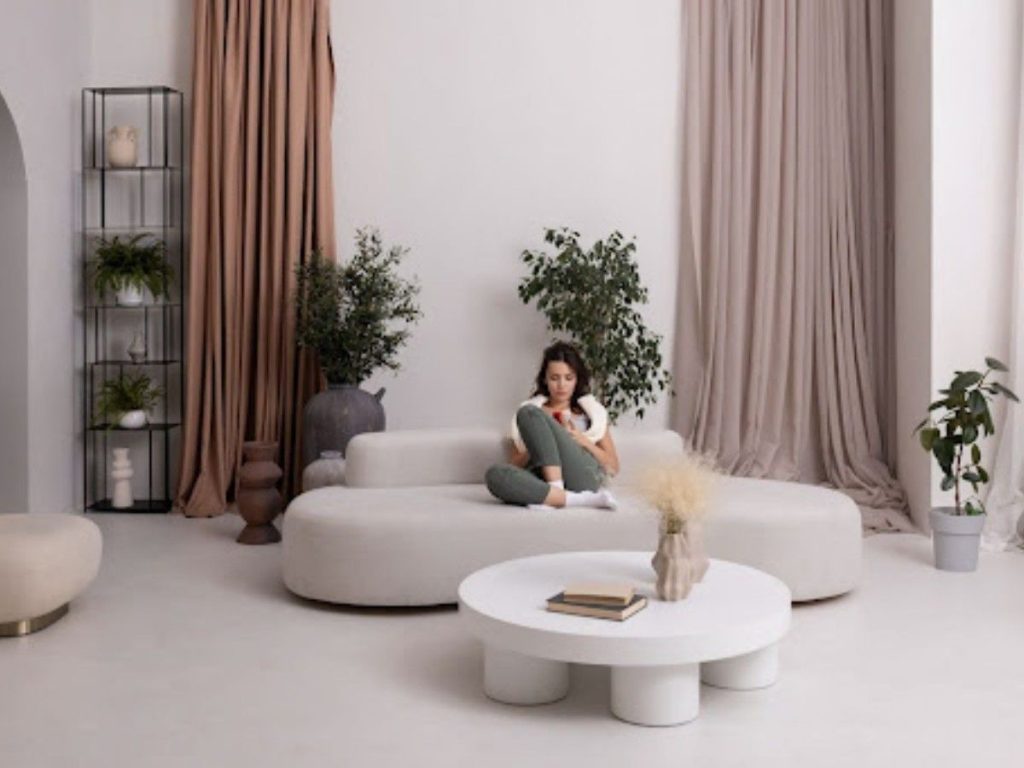
Modern design gets a bad reputation because minimal became synonymous with empty. The real problem is materials. When everything's glass, metal, and painted drywall, there's nothing to absorb sound or add visual softness. Light bounces off hard surfaces. The result feels like a tech showroom.
Warm interior design keeps structural simplicity but adds layers that engage your senses. You still get open floor plans and uncluttered surfaces. But you also get solid wood instead of glass, linen curtains instead of metal blinds, and rugs that feel good underfoot.
This isn't about clutter. It's about choosing materials with inherent warmth. Every piece serves a purpose, which is often simply making the space feel good to be in.
Design trends for 2026 show a clear shift toward warmer, more expressive interiors. Designers are moving away from the sterile "Apple Store aesthetic." People want environments that support how they actually live, not just how they look in photos.
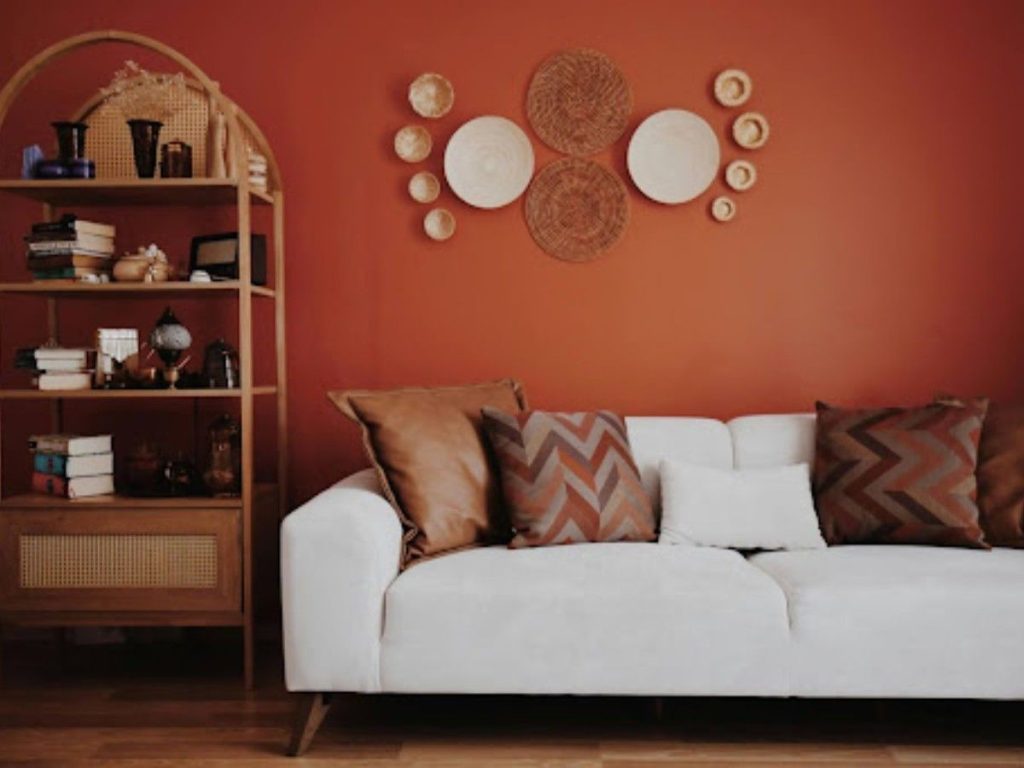
Cool grays and bright whites had their moment. Interior color trends in 2026 are pushing into warm neutrals: creamy whites, caramels, and beiges. Benjamin Moore's 2026 Color of the Year is Silhouette, a rich espresso brown. The shift is clear: warmer is better.
Start with warm whites that have yellow or cream undertones rather than blue or gray. Use beiges and taupes as mid-tones for furniture or accent walls. Hold samples near natural wood. If they complement each other, you're on track.
Warm interior design needs color beyond neutrals. Terracotta, olive green, soft rust, and warm browns add depth without overwhelming spaces. According to renovation trends, 55% of industry experts identify color drenching (painting walls, trim, and ceilings in the same tone) as the most popular technique.
Color drenching works best in bedrooms, dining rooms, or sitting areas. Choose a warm mid-tone and paint everything the same shade. The monochromatic approach creates continuity and coziness when paired with proper lighting.
Wood changes everything. It's the single most important material for creating warmth and making any space cozy. Natural materials research shows wood's organic quality softens contemporary design while adding texture and visual interest.
The type of wood matters. Light woods like white oak, maple, and birch create Scandinavian-inspired warmth. Medium woods like walnut bring richness without heaviness. Darker woods add drama, but use them carefully unless you want a moodier warm house aesthetic.
Introduce wood through flooring, ceiling beams, wall paneling, furniture, or smaller accents like shelving and picture frames. The more wood you incorporate, the warmer the space feels. All you need to do is vary tones and finishes to avoid monotony.
Stone brings a different kind of warmth than wood. Limestone, travertine, and certain marbles have warm undertones that work beautifully in modern spaces. Use stone for fireplace surrounds, bathroom vanities, or kitchen backsplashes.
Choose stones with movement and variation rather than perfectly uniform surfaces. Natural stone tells a story through its veining and color shifts. That imperfection creates warmth and authenticity.
A warm modern house typically combines three to five materials per room. Wood and stone form your foundation. Add metal in warm finishes like brass, bronze, or copper rather than chrome. Include textiles through upholstery, window treatments, and rugs. Consider leather for seating; it ages beautifully and adds warmth that synthetic materials can't match.
The goal is to create a subtle contrast. Smooth plaster walls next to textured wood paneling. Soft linen curtains alongside hard stone countertops. These material combinations keep modern spaces interesting while maintaining warmth.
Natural fabrics age gracefully in ways synthetics never will. Linen gets softer with washing. Leather develops patina. Cotton and wool wear in rather than wearing out. These qualities make spaces feel lived-in and authentic.
Use linen for curtains, bedding, and upholstery. Wool works for rugs and throws. Leather suits, dining chairs, or occasional seating. These materials require more care but add warmth worth the trade-off.
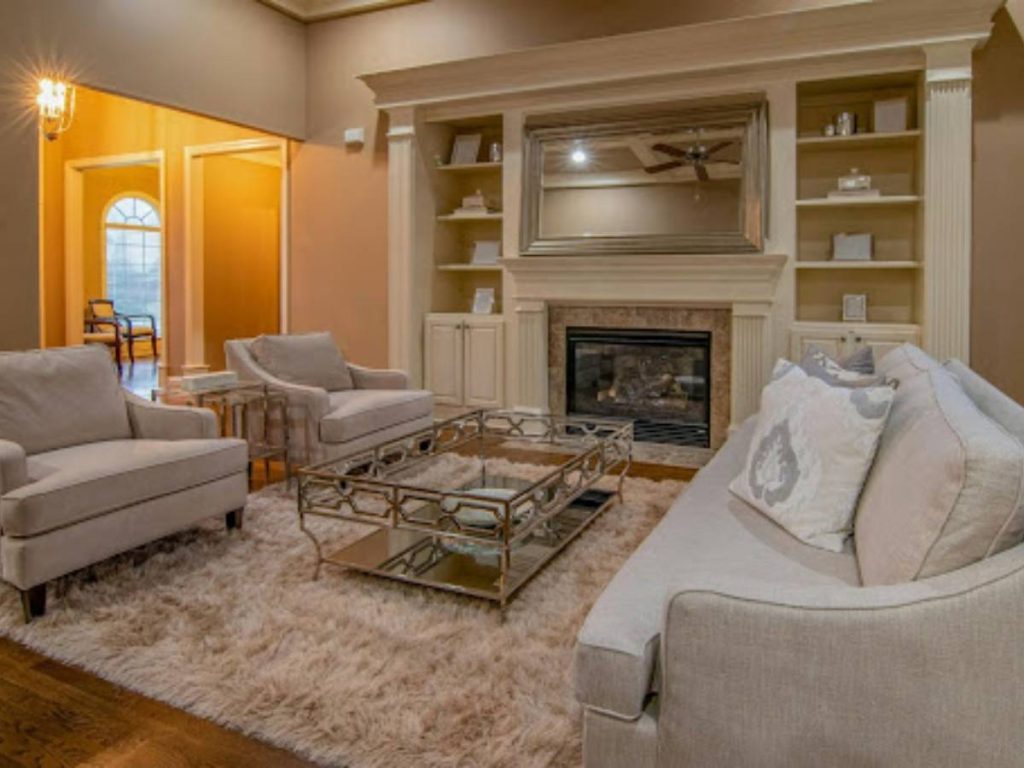
Texture is often overlooked but critical for creating warm spaces. You can get colors and materials right, but if everything's smooth and uniform, the room still feels cold. Cozy textures add dimension and visual weight, making spaces feel grounded.
Think about how light hits different surfaces. A smooth wall reflects light evenly. A textured wall, whether wood paneling, plaster, or fabric, creates shadows and depth. Those small variations are what our eyes read as warmth and interest.
Textile layering is where warm modern comes together. Start with a foundational rug that anchors your seating area. Add throw pillows in varying textures like linen, velvet, chunky knit. Drape a soft throw over furniture. The layering should look lived-in, not styled for a catalog.
Architectural details add permanent texture. Wood paneling, whether vertical, horizontal, or grid pattern, does a great job of creating visual interest and warmth. Crown molding, picture rails, and chair rails add subtle dimension to walls.
These elements feel traditional but work in modern spaces when kept simple. Flat-panel wainscoting adds texture without fuss. Vertical wood slats create rhythm while maintaining a contemporary feel.
Every room needs both smooth and textured surfaces. Smooth concrete floors with textured rugs. Polished stone counters with rough wood shelving. Painted walls with woven baskets. The balance prevents chaos while avoiding sterility. Pay attention to how surfaces feel, not just how they look.

Lighting temperature matters enormously. Warm modern design principles recommend staying in the 2700-3000K range for ambient lighting. This mimics the look of incandescent bulbs and firelight, which is what our brains associate with comfort.
Multiple light sources at different heights create depth. Ambient lighting provides general illumination. Task lighting focuses on activities. Accent lighting highlights features. When all three work together, they create an atmosphere that single-source lighting can't.
Dimmers are essential. Being able to adjust light levels makes rooms adaptable. Install them on as many fixtures as possible.
Natural light matters, but filtration is key. Sheer linen curtains soften harsh sunlight. Wood blinds filter light while adding interest. According to indoor-outdoor design trends, 56% of experts cite cohesive connections between interior and exterior as a priority. Large windows that open to outdoor spaces extend living areas.
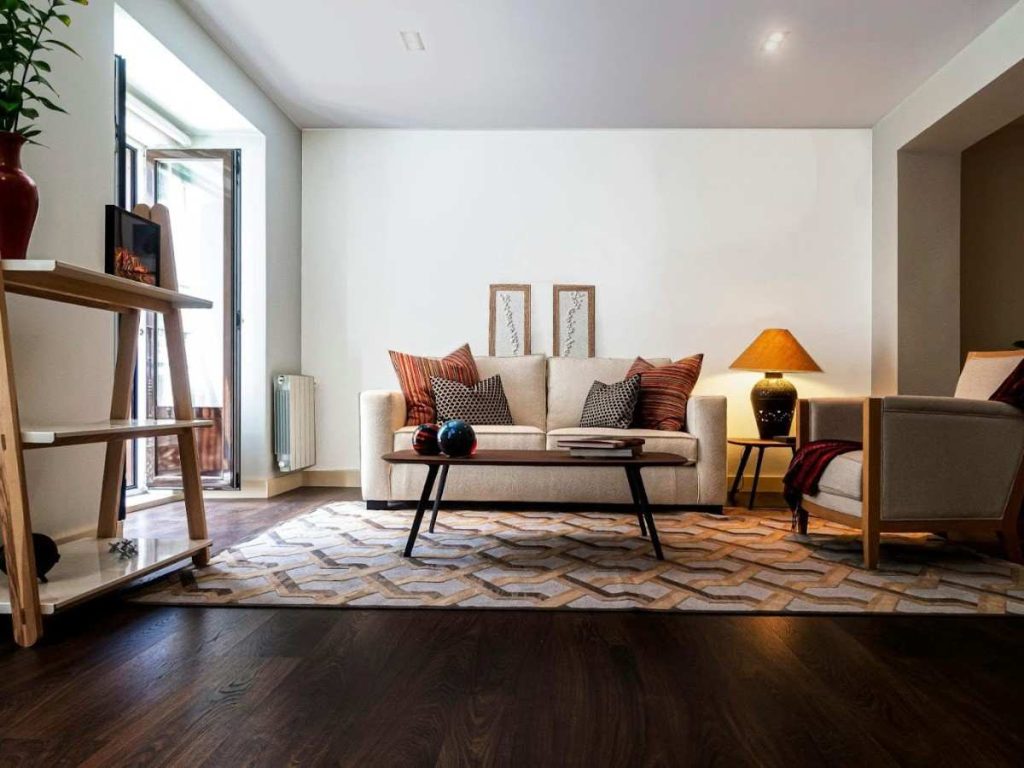
Warm modern furniture sits lower and closer to the ground. Low-profile 3-seater sofas feel more relaxed. Platform beds create a zen-like atmosphere. Coffee tables at 14-16 inches contribute to a casual, comfortable vibe.
Recent renovation statistics show 54% of homeowners focused on fewer, better-quality pieces in 2024. A solid wood dining table creates more warmth than three cheap alternatives. The restraint is the same, but the quality matters.
Mixing in vintage pieces adds character that new furniture can't provide. An old wooden chest or mid-century table creates layers of history. The worn edges and patina make them valuable.
Pull furniture into conversation groupings rather than against walls. Arrange seating for a comfortable talk. Add side tables within reach of every seat. These practical considerations make spaces truly livable.
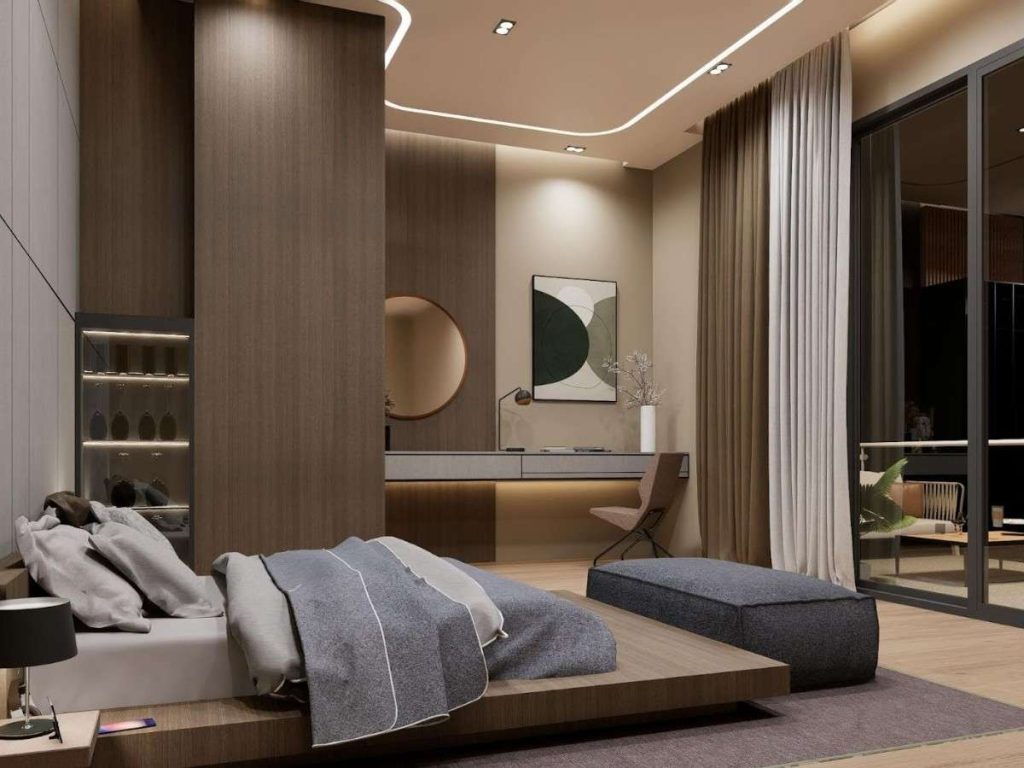
Start with a substantial sofa in warm neutral fabric. Add a wood or stone coffee table. Layer texture through rugs, throws, and pillows. Keep surfaces mostly clear but include meaningful objects—books, ceramics, plants.
Choose wood cabinetry or wood-tone finishes for your kitchen. Use natural stone for counters. Add open shelving to display dishes. Under-cabinet lighting in warm tones makes a huge difference.
Use color drenching here: warm caramel, terracotta, or muted olive creates cocoon effects. Choose natural fiber bedding. Add wood through furniture or paneling. Keep lighting soft and layered.
Warm bathrooms up with wood vanities, warm-toned stone or tile, and brass fixtures. Add texture through baskets, linen towels, and plants. Avoid overhead-only lighting, and add sconces and ensure warm temperature bulbs.
The rising popularity of warm modern interior design is based on one simple thing: homeowners are looking to create homes they would love to live in, and not museum pieces.
Incorporating this design into your home is fairly simple. Choose natural materials over synthetic. Pick warm colors over cool. Add texture. Layer lighting. Select fewer, better-quality pieces, and voila! You’ve got yourself a cozy and inviting home.
Start with one room if tackling everything feels overwhelming. Apply these principles to your living room or bedroom first. Once you experience the difference, you'll extend the warmth throughout your house.
If revamping your minimalist home in a warm, inviting way seems overwhelming, consider getting help from a seasoned interior designer. Give us a call at Johansson Design and see if we can help you achieve the ultimate warm design style in your home.
Frequently Asked Questions (FAQs)
Cold modern relies heavily on cool grays, whites, hard surfaces like glass and metal, and minimal texture. Warm modern uses the same clean lines and open layouts but incorporates natural wood, warm color palettes, textured fabrics, and warmer lighting temperatures. The structural approach is similar, but the materials and finishes create completely different atmospheres.
Absolutely. Small spaces actually benefit from warm modern principles. Use one or two warm neutral colors throughout to create continuity. Choose furniture with warm wood tones that don't visually disappear as glass or lucite pieces do. Add one substantial rug and a few textured pillows. Keep the clutter minimal, but make sure the pieces you do have add warmth. Small doesn't have to mean stark.
Look for warm whites with cream or yellow undertones (avoid anything with blue or gray undertones). Warm beiges, soft taupes, and greiges all work well. For accent colors, consider terracotta, warm olive green, soft rust, caramel, or warm brown tones. Test paint samples in your actual space at different times of day as lighting dramatically affects how warm or cool a color appears.
Consider your natural light levels and overall color scheme. Spaces with abundant natural light can handle darker woods beautifully. Rooms with limited light often benefit from lighter woods that brighten the space. You can also mix wood tones: lighter woods for larger pieces like flooring or built-ins, medium or dark woods for furniture accents. The variety adds visual interest while maintaining warmth.
Not necessarily. While natural materials like solid wood can cost more than laminate or synthetic options, they also last longer and age better. You're buying fewer pieces overall in modern design, so investing more per piece makes sense. Good lighting and paint colors are relatively affordable changes that make huge impacts. The real expense comes from quality over quantity, which is a worthwhile trade-off for spaces that actually feel good to live in.