10 Large Bedroom Design Ideas to Style Spacious Master Bedrooms
13 January, 2026
⚪
Johansson
Home > Blog > This Blog
A large bedroom should feel like a luxury. But if you've ever stood in the middle of a 350-square-foot master suite wondering why it feels cold, empty, or just plain hard to decorate, you're not alone. Spacious bedrooms present a design challenge that's the mirror opposite of cramped quarters. Instead of figuring out where everything fits, you're left wondering how to make the room feel intentional, warm, and livable without creating a furniture showroom.
The truth is, large bedroom design ideas require a completely different approach than standard room layouts. You can't just scale up a 12x12 bedroom and call it done. Big spaces need careful zoning, thoughtful furniture placement, and design choices that create visual warmth without sacrificing the airiness that makes them special in the first place. Master bedrooms averaging 14 feet by 16 feet offer 224 square feet of space, but truly large bedrooms exceed 350 square feet, and some luxury homes feature master suites stretching past 600 square feet.
In this guide, I’ll walk you through everything from foundational design principles to 10 specific ideas for styling a spacious primary bedroom. Whether you're dealing with an awkwardly empty corner or trying to figure out the right bed size for your room, you'll find practical strategies on how to decorate a large bedroom to turn it into an inviting sanctuary.
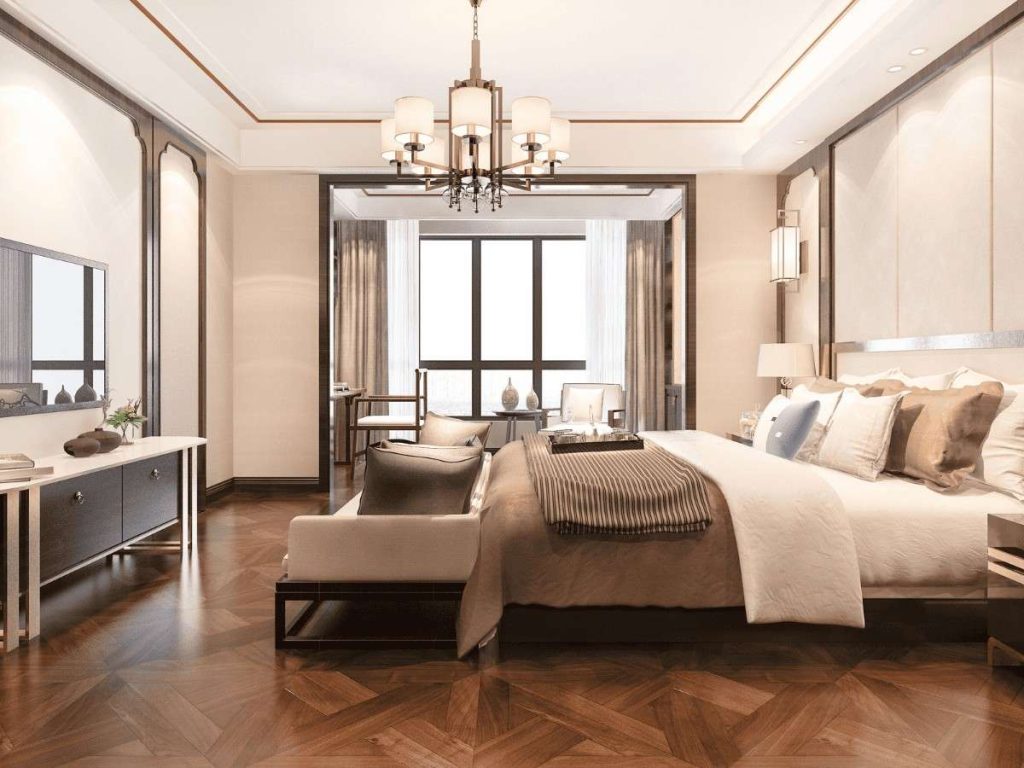
Before diving into large master bedroom ideas, it helps to understand what actually qualifies as a "large" bedroom. Standard bedrooms in American homes measure around 10x12 feet (120 square feet), while the typical master bedroom sits at 14x16 feet, or roughly 224 square feet. According to industry data, master bedrooms account for about 11.3% of a home's total finished floor space.
Large master bedrooms start around 300-350 square feet, with dimensions ranging from 16x20 feet to 20x22 feet or more. Luxury homes often feature primary suites exceeding 400-600 square feet. These spaces typically accommodate king-size beds with room to spare, plus additional furniture zones for seating, workspace, or dedicated dressing areas.
But size alone doesn't define potential. The room's proportions, ceiling height, window placement, and architectural features all influence how the space functions. A 400-square-foot room with 8-foot ceilings feels different from the same square footage with 10-foot ceilings. Understanding these parameters shapes every subsequent decision regarding your large bedroom layout.
Large bedrooms create problems you won't find in smaller spaces. The primary challenge in creating an optimum large bedroom layout is avoiding the "bowling alley effect," where the room feels cavernous, cold, or uninviting. Without proper furniture scale and placement, big bedrooms can seem impersonal, more like hotel lobbies than private retreats.
Acoustic issues become noticeable in larger rooms. Hard surfaces reflect sound differently when there's more open space, making the room feel echo-y or sterile. Temperature regulation can be trickier, too. Heating and cooling a 400-square-foot space obviously requires more energy, and without proper textiles and layering, the room might feel drafty.
Then there's the furniture-to-space ratio problem. Too little furniture makes the room feel sparse and unfinished. Too much creates visual clutter and defeats the purpose of having all that square footage. Finding the balance between filling space purposefully and maintaining breathability takes deliberate planning.
Flip those challenges around, and you'll see the real advantage of spacious master bedrooms. Large rooms let you create multiple functional zones within a single space. You can dedicate separate areas to sleeping, reading, working, dressing, or relaxing.
Big modern bedrooms accommodate statement furniture that would overwhelm smaller rooms. Canopy beds, oversized headboards, large dressers, seating arrangements; these pieces anchor the space and give it gravitas. You have room for king or California king beds with generous walkways on all sides, plus space for benches, chairs, and accent tables that add both function and style.
Natural light distribution improves in larger rooms with multiple windows. You can position furniture to take advantage of morning sunlight in one zone while keeping the sleeping area darker. Storage possibilities expand dramatically, too, in the form of walk-in closets, built-in wardrobes, and window seats with hidden compartments. Large bedrooms support organizational solutions that keep the space tidy while maintaining visual appeal.
Before buying a single piece of furniture, map out how you want to use the space. Start with the obvious: sleeping. Then add everything else. Large master bedroom layout ideas typically include three to five distinct zones, depending on available square footage.
Common zones include:
Not every bedroom needs all these zones. Choose the ones that match your actual routine. For example, a person who never works from home doesn't need a desk eating up valuable floor space. Someone who meditates daily might prioritize a quiet corner over a formal seating area.
The bed is your largest furniture piece and determines almost everything else about the layout. For large bedrooms, king or California king beds work best. A king measures 76 inches wide by 80 inches long, while California kings are slightly narrower (72 inches) but longer (84 inches). Both need substantial room dimensions to avoid overwhelming the space.
Placement typically follows these guidelines:
Some large bedroom design ideas suggest floating the bed away from the wall to create separation between sleeping and other zones. This works in rooms exceeding 400 square feet where you have enough depth to pull the bed forward while maintaining functional space behind it.
With bed placement decided, arrange the remaining furniture to support your defined zones while maintaining clear pathways. Think of your layout like strategic spatial planning that balances multiple functions within a single environment.
For the sleeping zone, flank the bed with substantial nightstands. In large bedrooms, oversized nightstands (24-30 inches wide rather than standard 18-20 inches) create better visual proportion. Add a bench or ottoman at the foot of the bed if space allows; this serves as both a design element and a practical spot for laying out clothes or sitting to put on shoes.
Seating areas work best in corners or along walls perpendicular to the bed. Place two chairs facing each other with a small table between them, or position a chaise lounge near a window where natural light makes reading comfortable. Define the seating zone with a separate area rug to visually distinguish it from the sleeping zone.
Dressers and storage pieces should leave wall space visible rather than lining every available surface. In a 350-square-foot room, you might use 60-70% of wall space for furniture, leaving 30-40% open to maintain airiness. This prevents the furniture showroom effect while still providing adequate storage.
Current bedroom trends emphasize warm earth tones and natural materials. Designers in a survey reported that 31% plan to incorporate organic modernism elements, which translates to terracotta, warm beige, muted browns, soft olive greens, and other nature-inspired hues.
Color strategy for large bedrooms differs from that for small spaces. You can embrace darker, moodier colors without making the room feel cramped. Deep charcoals, rich navies, forest greens, and even saturated burgundies create coziness in expansive spaces. Color drenching: painting walls, trim, and ceiling in the same hue, works particularly well in large rooms where it adds intimacy without claustrophobia.
Material selection should layer textures for depth and warmth. Combine smooth surfaces with rough ones: linen bedding against a leather bench, wool rugs beneath wooden furniture, velvet pillows on cotton sheets. Wood furniture (preferably with visible grain), stone accent pieces, jute rugs, cotton textiles, and ceramic accessories bring organic warmth that balances the room's scale.
Lighting makes or breaks bedroom ambiance. Large rooms need multiple light sources operating at different levels to avoid the single-overhead-fixture trap that creates harsh shadows and flat aesthetics.
Ambient lighting provides overall illumination. In large bedrooms, this might be a statement chandelier or ceiling fixture positioned centrally. Consider adding cove lighting, uplights, or wall sconces that wash walls with indirect light.
Task lighting serves specific activities. Reading lamps on nightstands (ideally 24-28 inches tall to properly illuminate books without glare), a desk lamp for workspace zones, and vanity lighting near mirrors all fall into this category. Position task lights where you need them functionally rather than for decorative purposes.
Accent lighting highlights design features and creates atmosphere. LED strips behind headboards, picture lights over artwork, or small accent lamps on dressers add depth and visual interest. Dimmable options throughout let you adjust the mood from bright and energizing during morning routines to soft and calming before sleep.
Natural light deserves consideration as part of your big master bedroom ideas. Large bedrooms often feature multiple windows. Use layered window treatments: sheer curtains for filtered daytime light plus blackout panels for sleeping, to control natural light throughout the day.
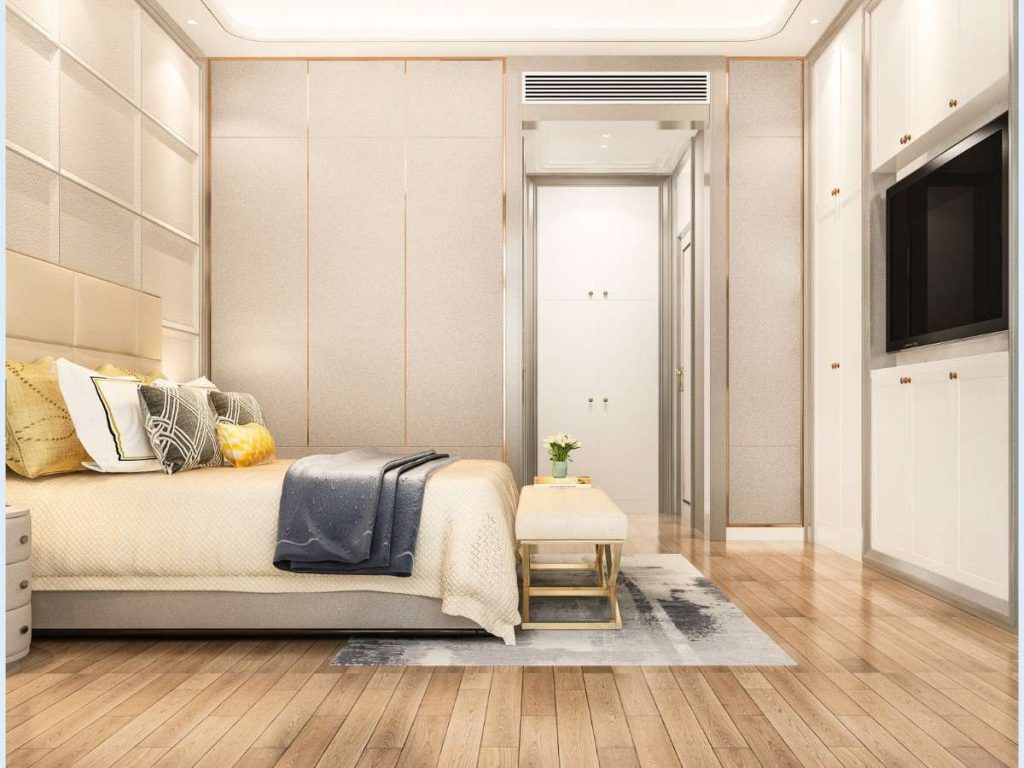
The bed is the visual anchor that grounds your entire design. In large bedroom ideas, this means going bold with scale and presence. Canopy beds, beds with tall upholstered headboards, or frames with architectural details like carved wood posts create the gravitas needed to fill big spaces appropriately.
Position your bed centrally on the longest wall to establish symmetry. This creates a natural balance that feels immediately calming. Flank the bed with matching nightstands that share a similar scale and height; oversized is better in large rooms. Top each nightstand with lamps that match or complement each other.
Symmetry extends beyond immediate bedside furniture. If you hang artwork above the bed, center it on the headboard. If you add sconces, mount them equidistant from the bed's center point. This balanced arrangement creates a focal point strong enough to command attention even in a 400-square-foot space.
One of the best advantages of spacious bedrooms is the ability to incorporate multiple functional areas. Rather than treating the entire room as one big sleeping space, divide it into purposeful zones that serve different needs throughout the day.
A seating area: transforms your bedroom into a private retreat. Position two upholstered chairs with a small round table between them near a window. Add a floor lamp for reading, a small bookshelf, and maybe an ottoman for putting your feet up. This creates a spot for morning coffee, evening conversation, or quiet reading time without leaving your bedroom.
Work zones: make sense for people who occasionally need private space for laptop tasks or correspondence. Place a desk perpendicular to a wall (not facing it, which feels confining) in good natural light. Keep the desk area visually distinct from sleeping zones through rug placement or lighting choices, creating psychological separation between work and rest.
Reading nooks: can be as simple as a comfortable armchair positioned by a window with a floor lamp and a side table. Add a throw blanket draped over the chair's back, and you've created an inviting corner that makes the large room feel purposeful rather than empty.
Area rugs are essential tools in large bedroom design. They serve dual purposes: defining distinct zones within the room and preventing the floor from feeling like a vast, cold expanse. In rooms with hardwood or tile flooring, rugs add acoustic dampening that reduces echo and makes the space feel warmer.
For the sleeping zone, choose a rug large enough to extend under the bed with at least 24-30 inches visible on each side and at the foot. This typically means 8x10 or 9x12 rugs for king-size beds. The rug should ground the bed and nightstands as a unified grouping.
If you've created a seating area, add a second, smaller rug (5x7 or 6x9) that sits entirely under the chairs and table in that zone. This visually separates the seating area from the sleeping zone while maintaining cohesion through complementary colors or patterns.
Choose plush textures like wool, shag, or high-pile rugs that feel luxurious underfoot. In large bedrooms where you might walk across substantial floor space to reach the bathroom at night, a soft rug makes the journey more pleasant. Layering is also an option; place a smaller patterned rug over a larger neutral one for added visual interest.
Window treatments in large bedrooms should be proportional to the room's scale. Standard-length curtains that hit the windowsill look undersized and cheap. Floor-to-ceiling curtains, especially in rich fabrics, add vertical drama and make ceilings feel higher while creating coziness.
Mount curtain rods as close to the ceiling as possible, then let panels puddle slightly on the floor or hang just barely touching it. This elongates walls and draws the eye upward. In rooms with 9-10-foot ceilings, this effect adds sophistication that's impossible to achieve with shorter treatments.
Fabric choice matters. Heavy velvet or linen curtains add texture and warmth while providing insulation and light control. Layering sheer curtains underneath heavier panels gives you flexibility; sheers for filtered daytime light, heavy panels for complete darkness or privacy.
Design trends suggest that floor-to-ceiling curtains in darker hues help ground large spaces and prevent the eye from drifting aimlessly around excessive wall space. Deep greens, rich blues, or even charcoal grays add visual weight that balances the room's proportions.
Standard bedroom furniture designed for 10x12 rooms looks lost in a 350-square-foot space. Embrace larger pieces with substantial visual weight. This doesn't mean cramming furniture into every corner, but choosing fewer pieces that have real presence.
Instead of a standard 6-drawer dresser, consider a 9-drawer version or a dresser-mirror combination that stands 6-7 feet tall. Replace compact nightstands with substantial bedside tables 24-30 inches wide. Choose a headboard that extends significantly above the mattress rather than barely clearing it.
Seating should be full-size, not compact. A proper armchair with ottoman fills space better than a delicate occasional chair that disappears visually. If you're adding a bench at the foot of the bed, choose one that spans at least half the bed's width rather than a narrow piece that looks like an afterthought.
Professional interior designers recommend evaluating the square footage-to-furniture ratio. Ideally, you want 60-70% of wall space utilized in large bedrooms, leaving 30-40% open. This prevents both the empty warehouse feeling and the overcrowded furniture store aesthetic.
The wall behind your bed deserves special attention in large bedroom layouts. Creating a feature wall through texture, paneling, architectural details, or bold wallpaper establishes a strong focal point that prevents the room from feeling bland or generic.
Board-and-batten paneling adds architectural interest and dimension. Running vertical panels from floor to ceiling creates visual height while adding texture that plays with light and shadow throughout the day. Paint the paneling a few shades deeper than your wall color, or try color drenching where walls and paneling share the same hue for modern sophistication.
Textured wall treatments like Venetian plaster, lime wash, or grasscloth wallpaper add tactile richness. These materials catch light differently than flat paint, creating depth that makes the wall feel intentional and designed rather than simply painted.
For those willing to go bolder, patterned wallpaper makes a dramatic statement. Large-scale florals, geometric patterns, or abstract designs work well in spacious bedrooms where you have enough wall real estate to showcase the pattern properly. Keep the remaining walls neutral so the feature wall remains the star.
Lighting in large bedrooms goes beyond functional illumination and becomes a design statement. A substantial chandelier or dramatic pendant fixture draws the eye upward and fills vertical space that otherwise feels neglected.
Choose lighting fixtures scaled to your room. In a 350+ square foot bedroom with 9-10 foot ceilings, you can accommodate chandeliers 30-36 inches in diameter without overwhelming the space. Position it centrally over the bed or, if you have a seating area, consider a second statement fixture over that zone.
Current design trends show movement toward replacing traditional table lamps with wall-mounted sconces or pendant lights on either side of the bed. This frees up nightstand space while providing targeted reading light. Swing-arm sconces offer flexibility to direct light where needed.
Layer ambient, task, and accent lighting throughout the room. Dimmable options let you adjust the atmosphere from bright and energizing during the day to soft and calming at night. Under-bed LED strips, lit alcoves, or backlit artwork add subtle accent lighting that creates depth and dimension after dark.
Biophilic design, incorporating natural elements into interior spaces, continues gaining momentum. According to a recent survey, some consumers say they are willing to spend 9.7% more, on average, for sustainably produced or sourced goods, reflecting growing appreciation for nature-inspired design.
Large bedrooms can accommodate substantial plants that smaller rooms can't handle. A fiddle leaf fig in a corner, a large monstera near a window, or a collection of hanging plants near natural light sources bring life and improve air quality. Grouping several medium plants together creates more impact than scattering small ones throughout.
Natural materials extend beyond plants. Choose wood furniture with visible grain rather than painted pieces. Add stone or ceramic accessories. Layer jute or sisal rugs beneath softer wool ones. Incorporate linen curtains, cotton bedding, and perhaps a leather reading chair.
The connection to nature calms the nervous system and makes large spaces feel more grounded. Rather than fighting the room's scale, biophilic elements work with it, bringing organic warmth that prevents the space from feeling institutional or hotel-like.
Color strategy differs dramatically in large versus small bedrooms. While small rooms often benefit from light, airy palettes, large bedrooms can embrace deeper, moodier colors without feeling cramped. Warm earth tones dominate modern design trends: terracotta, warm beige, muted browns, sage greens, and soft clay tones create serene environments perfect for rest.
Color drenching, where you paint walls, trim, ceiling, and even built-ins in the same hue, works exceptionally well in spacious bedrooms. This technique creates an enveloping, cocoon-like feeling that adds intimacy to large rooms. Choose a warm neutral like greige or a saturated color like forest green, then commit to covering all surfaces.
The monotone approach might sound boring, but it creates sophisticated depth, especially when you layer textures and materials in similar tones. A charcoal-drenched room with charcoal linen curtains, dark wood furniture, and lighter gray bedding demonstrates how tonal variation within a single color family creates visual interest without busy patterns.
If full-color drenching feels too bold, apply it only to the accent wall and the ceiling above your bed. This creates a canopy effect that makes the sleeping zone feel more intimate while leaving other areas lighter and more open.
Lastly, storage in large bedrooms should be abundant but not visually overwhelming. Built-in solutions make the most of available space while maintaining clean lines that prevent clutter.
Walk-in closets or custom wardrobe systems turn otherwise wasted square footage into highly functional storage. Position these along walls that don't serve better purposes (avoid blocking windows or breaking up feature walls). Floor-to-ceiling built-ins maximize vertical space and can include combinations of hanging storage, shelving, and drawers.
Window seats with lift-top storage serve double duty: they create cozy reading nooks while hiding seasonal bedding, extra pillows, or off-season clothing. Build window seats at standard chair height (18 inches) with comfortable cushions that encourage actual use rather than just decorative purposes.
Built-in shelving flanking the bed or creating a gallery wall elsewhere in the room provides display space for books, art objects, and personal items that make the room feel lived-in and personal. These installations become architectural features that add character while solving storage needs.
Under-bed storage in platform beds or beds with built-in drawers keeps clutter invisible while making use of otherwise dead space. In large bedrooms where you might not need a dresser's worth of drawer space, under-bed storage can replace bulky furniture entirely.
Large bedrooms shift from design challenge to genuine opportunity once you understand that spacious doesn't automatically mean comfortable. The principles remain consistent whether you're working with 300 or 600 square feet: create purposeful zones, choose furniture with appropriate scale, establish strong focal points, and layer textures and lighting for depth and warmth.
The ideas for a large master bedroom I’ve covered in this blog, from statement beds and functional zoning to biophilic elements and smart storage, give you a framework for transforming empty square footage into a balanced, inviting space. Each intentional decision moves you closer to a bedroom that feels less like an interior design problem and more like the private sanctuary it should be.If you’re still stuck on how to decorate a large bedroom, a little professional guidance can go a long way in making your project a success. Interior designers like Johansson Design are masters at turning ambitious ideas into practical spaces. Want to see how we can help you transform your master bedroom? Give us a call.