Small Modular Kitchen Design Ideas That Save Space Without Sacrificing Style
30 December, 2025
⚪
Johansson
Home > Blog > This Blog
More and more people today are shifting into smaller homes and apartments, meaning that their kitchens are getting more compact, prompting innovative kitchen ideas for small spaces. A recent study found that 13% of renovated U.S. kitchens are under 100 square feet. These smaller interior dimensions are driving homeowners’ interest in smart and compact kitchen solutions.
Small modular kitchens – built with pre-made cabinets and counter modules – can be a great option for these homes. The global market of modular kitchens stood at $25 billion in 2023, telling you how popular they’ve already become. Mind you, this figure is only going to go up from here.
In a modular kitchen, each kitchen cabinet and drawer comes ready-made and is to be snapped together on-site. This interior design trend lets you pack in considerable storage and workable space, no matter how small your kitchen space is.
In this guide, I’ll walk you through what modular kitchens are, why they work well in small spaces, and share the ten best space-saving modular kitchen designs that I’ve used in projects, and have seen many others using as well.

A modular kitchen design is basically like a set of building blocks for your kitchen. Instead of building cabinets and counters from scratch on-site to fit your kitchen’s dimensions, a modular kitchen uses prefabricated (factory-made) cabinets, shelves, and drawers that fit together easily. Because these parts are made in advance, installation is much, much easier, taking hardly a few days, rather than weeks when done the traditional way.
Modular kitchens come in a huge variety of layouts, all matched to your kitchen’s shape and dimensions. Plus, they’re highly customizable, so you can choose from many different materials, finishes, and handles. In short, modular kitchens combine attractive styles with clever storage and practicality.
Key features of the best modular kitchen designs:
A modular kitchen in a small space makes it shine and stand out. They let you utilize every inch of space and keep things organized, so even a tiny kitchen can hold all the items you need. Let’s talk about it in detail.
The primary function of modular kitchens is to maximize space efficiency. These kitchen designs help you utilize every inch of your space. Tall wall cabinets, deep drawers, and pull-out shelves mean no wasted corners. Many modules even go all the way to the ceiling, freeing up the counter space for cooking. All of this gives you more storage in less space.
Modular kitchen designs also allow you to add smart organizers to fit your needs. Trying to fit everything into a small kitchen will obviously lead to clutter. Instead, you can use pull-out spice racks, utensil dividers, and built-in trash bins to have a sense of order.
Corner units often come with rotating “Lazy Susan” shelves or pull-out drawers, making it easy to reach pots or cans in deep corners. Corner carousels and slide-out pantry shelves are common modular options, too. Because all of these modules are separate, you can include only what you need (and skip what you don’t).
Since modules are pre-made, setting up a modular kitchen in a small space is faster and neater than a traditional one. Design guides report installation can be done in a matter of days. For small kitchen owners, this means less disruption at home. It’s also easier to remodel or add a new cabinet later on. If you move, you could even dismantle and reassemble some parts if needed.
Modular kitchens often have a style that’s sleek and easy on the eyes. Since all of the components are factory-made, you can choose from a variety of materials, designs, and finishes to get matching doors, handles, cabinet drawers, and countertops. These materials not only look good but can also last a lifetime if properly cared for. Hence, modular kitchens give you certain versatility that traditional kitchens don’t.
Modular kitchens let you pick the components that best fit your kitchen layout. Whether your kitchen is L-shaped, narrow, or oddly shaped, there are trendy small modular kitchen designs that provide a perfect solution. You can even mix and match module sizes. This flexibility means small nooks or alcoves don’t have to go unused.
Overall, a modular setup means no corner is wasted. Instead of randomly putting up shelves, every element is planned. This makes cooking and cleaning in a tiny kitchen much easier.
I know what you’re thinking right now. “Okay, I get it, modular kitchens are great. But how do I incorporate that style into my own kitchen?” Setting up a modular kitchen isn’t that difficult. The real battle is choosing the right style that complements your home out of the dozens of options available.
As a design consultant with 20+ years of experience, I know a thing or two about designing a small modular kitchen in a small space. Allow me to present some of the best modular kitchen designs that I personally love.

An L-shaped kitchen uses two adjoining walls to maximize the corner storage while leaving open space in the middle for movement. You might have a stove and sink on one wall, and the refrigerator and all the extra counters on the other. This keeps work areas close together while keeping the center clear to allow better maneuverability.

A U-shaped modular kitchen wraps around three walls, providing a lot of space for the counter and cabinets. In this setup, you can put the sink, stove, and fridge each on its own wall. This layout, while ideal for a larger space, can also work well in a small kitchen, if scaled down a little. This three-directional layout makes even a tight kitchen feel like it has multiple work zones.
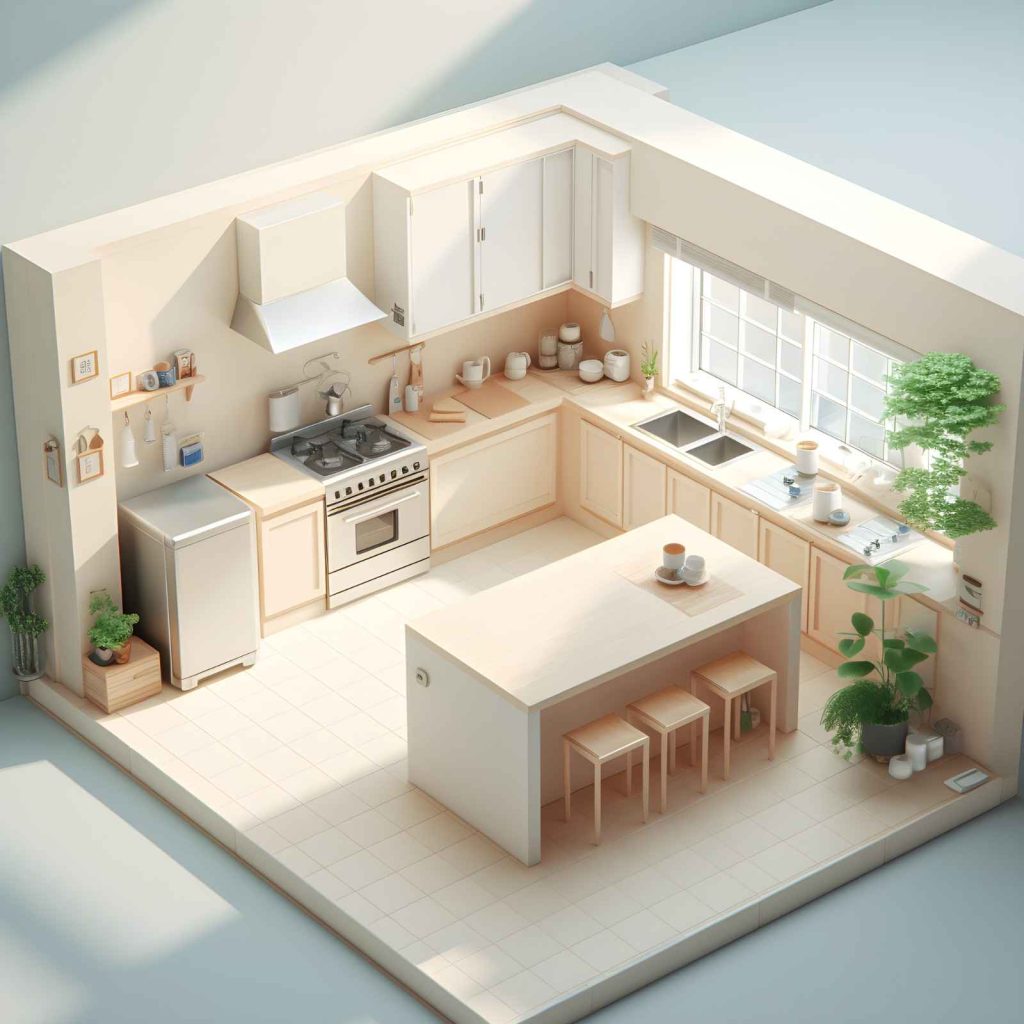
A parallel or galley kitchen has two straight countertops facing each other, like two parallel walls in a hallway. This layout is famous for being able to create an efficient workflow in very narrow spaces. You can have one counter holding the sink and fridge, and the other having the stove and oven. Hooks or rails on the end walls can be used to store utensils without eating into the workspace. Since everything is within arm’s reach in the small space, this segregation doesn’t slow down the cooking.
The only downside is that it can feel tight, but you can always balance it out by playing with lighting and colors. You can also add transparent elements, like a glass backsplash or open upper shelves, to make the kitchen look airy.
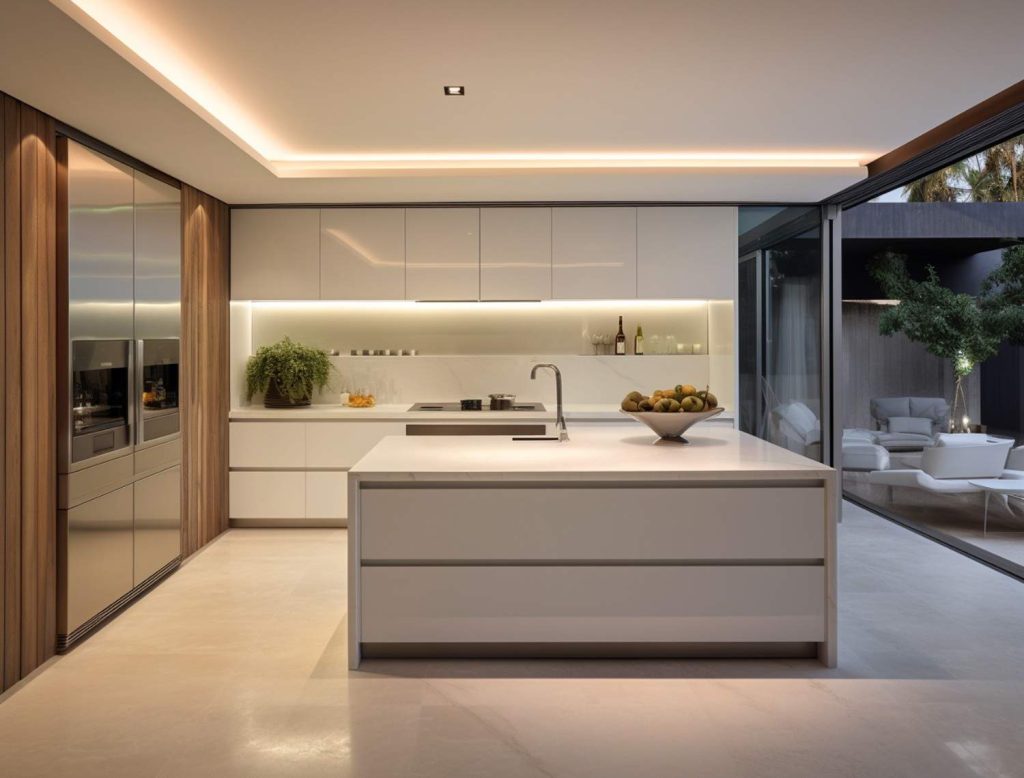
A one-wall layout puts all cabinets and appliances along a single wall. This is a common sighting in studio apartments or lofts. It’s simple and doesn’t need extra corridors. You might see a fridge next to a row of base cabinets, with upper cabinets above.
To save space with this layout, keep the design minimal: use base cabinets with drawers (for pots and pans) and slim upper cabinets (for dishes). A fold-down or pull-out table can serve as an extra counter or eating space when needed. Light colors and reflective surfaces are especially helpful in this layout to avoid feeling closed in.
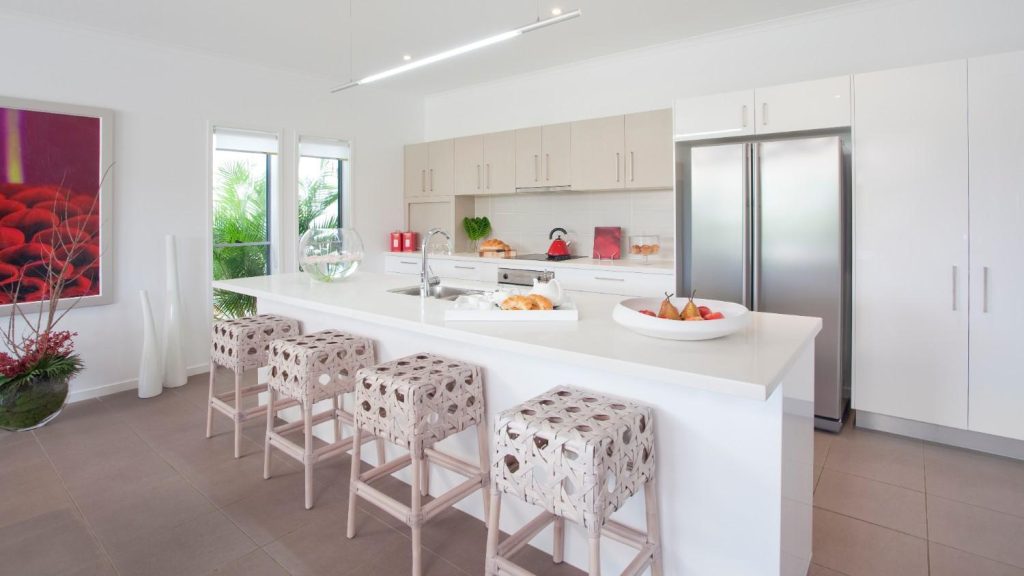
If your kitchen has a bit more width, a small island or peninsula can work wonders. Even a narrow island that’s a few feet wide provides extra space for preparation and storage. The island can also serve as a breakfast, bar, or a sitting table. If your kitchen is more compact, then the island must be very narrow, or even on wheels (it’s a real thing, I promise), so it doesn’t block movement.
If an island won’t work for your small kitchen, then a peninsula (an island attached to one wall or counter) can provide similar advantages without fully open circulation. Either way, the most important thing is to use it as a multi-purpose addition: cooking, eating, and storage, all in one.
Let’s talk a bit of tech here. Every single sector has seen increased innovation over the past few years, and modular kitchen design is no exception. Recently, homeowners have been obsessing over smart drawers and cabinet systems.
Deep drawers and pull-out organizers can be a game-changer for cramped kitchens. Instead of low cupboards where stuff gets lost in the back, use slide-out drawers for pots, pans, and even trash bins. For example, a pull-out spice rack between cabinets can keep seasonings at hand.
By installing drawers under the cooktop or oven, you avoid wasting knee space and get easier access to cookware. Every drawer module should be organized (with dividers or inserts) so that even a full drawer doesn’t turn messy.
Built-in appliances blend into the cabinets and clear up the counter area. For example, mounting the oven and microwave in a tall cabinet saves below-counter space. For a small kitchen, you can consider a slimline dishwasher or a built-in fridge with cabinet panels. With everything built in this way, you can maintain a clean, uncluttered look and avoid having large appliances sitting in traffic areas.
Many kitchens have dead corners. In a modular kitchen, use that space with special corner cabinets. Options include rotating Lazy Susans, pull-out corner drawers, or swing-out shelf systems. For example, a blind corner cabinet might have two trays that swing out when you open the door. Or a diagonal corner cabinet can give you one triangular shelf. These tricks ensure plates and spices aren’t lost in a dark corner. When designing, plan corners carefully and avoid just having an empty L-shaped gap.
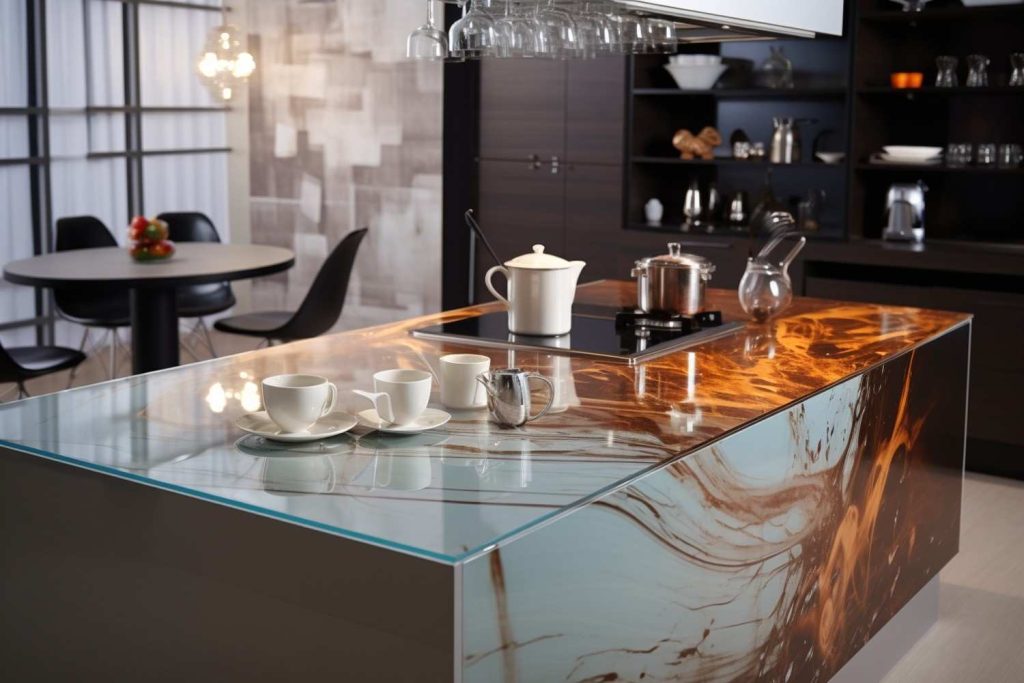
Glass and glossy finishes are not layout changes but are powerful design tricks. In a modular kitchen for a small kitchen, you should choose materials that reflect light. Glass-front cabinet doors, shiny tile backsplashes, or high-gloss laminates can make the room feel brighter and bigger.
You can even use a mirrored backsplash or a mirrored cabinet to double the sense of space. These elements also let you see inside cabinets at a glance, reducing the need to open every door. Just be careful to keep those glass surfaces clean, or fingerprints will be very visible.
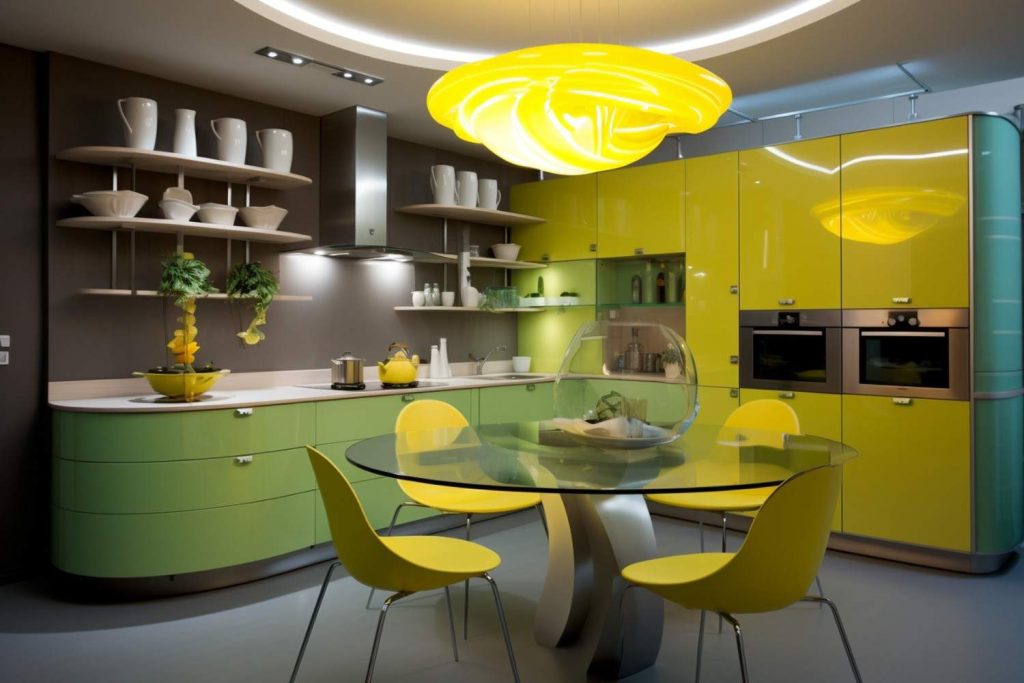
Finally, how you light and color the kitchen greatly affects the perception of space. Under-cabinet LEDs, pendant lights, and bright ceiling fixtures make every corner well-lit. Good lighting prevents shadows that make a kitchen feel cramped. In terms of color, I recommend using pale shades.
Painting walls and cabinets in soft white or light gray, and using a bright countertop, will visually expand the space. Even if your cabinets are dark, keep the ceiling and backsplash light. Together, lighting and color make your small kitchen welcoming and roomy, not dreary.
Handling small kitchens is challenging, but modular kitchen designs make them manageable and even a lot less boring. In this guide, you saw how modular kitchens maximize storage and efficiency without compromising on the looks.
Smart layouts like L-shaped or island counters, coupled with practical features like pull-out drawers and built-in appliances, ensure no square footage of your home is wasted. Even the choice of lighting and materials contributes to the effect by opening up your kitchen.
The popularity of these options is not going away anytime soon, as demonstrated by the fact that the global modular kitchen market is expected to reach $34 billion by 2030. Interior designers, like us at Johansson Design, who can effectively incorporate these designs into their catalogue will thrive, while those who can’t are likely to lose some of their clients with compact homes.
I’ll end with revising the key takeaway from this blog: using the right modular design ideas, you can turn your compact kitchen into a space that’s equally pretty and practical, letting you make the most of every inch.
Small modular kitchen design focuses on maximizing storage, workflow, and aesthetics within limited square footage. It uses smart cabinetry, efficient layouts, and built-in appliances to reduce clutter. The goal is to make your kitchen both functional and stylish, in a way that it feels open, organized, and easy to maintain despite space constraints in modern urban homes.
A small modular kitchen is a pre-designed kitchen system built with standardized units that fit compact homes. These kitchens improve efficiency through planned storage, corner solutions, and modular layouts. They are popular in small apartments because they simplify installation, upgrades, and long-term maintenance without heavy renovation work or structural changes required.
Modular kitchen designs for small kitchens prioritize space optimization, movement flow, and vertical storage. Designers focus on compact layouts like L-shape or parallel kitchens, using tall cabinets and pull-out accessories. This design offers functionality without overcrowding the small kitchen space, with modern appliances installed neatly and safely.
A modular kitchen in a small space works by using every inch efficiently through smart layouts and customized modules. Features like wall-mounted cabinets, foldable counters, and integrated appliances help reduce visual clutter while maintaining usability, comfort, and daily cooking convenience for families living in compact urban homes and apartments today.
A simple small modular kitchen emphasizes clean design, basic layouts, and practical storage without unnecessary complexity. It focuses on essential cabinets, easy-to-clean surfaces, and minimal hardware. This style suits homeowners who want functionality, affordability, and a clutter-free cooking environment that feels calm and visually spacious in everyday home use settings.