Types of Houses in California: 12 House Styles That Define the Golden State
16 January, 2026
⚪
Johansson
Home > Blog > This Blog
California's architectural landscape mirrors its geographic diversity. From Victorian mansions in San Francisco to Spanish Colonial villas in Santa Barbara, the types of houses in California reflect centuries of cultural influence, climate adaptation, and design innovation.
This guide breaks down 12 distinct California house styles, their defining features, where to find them, and what makes each unique.
Whether you're buying, selling, or simply identifying your home's architecture, understanding California home styles helps you navigate the Golden State's diverse housing market.
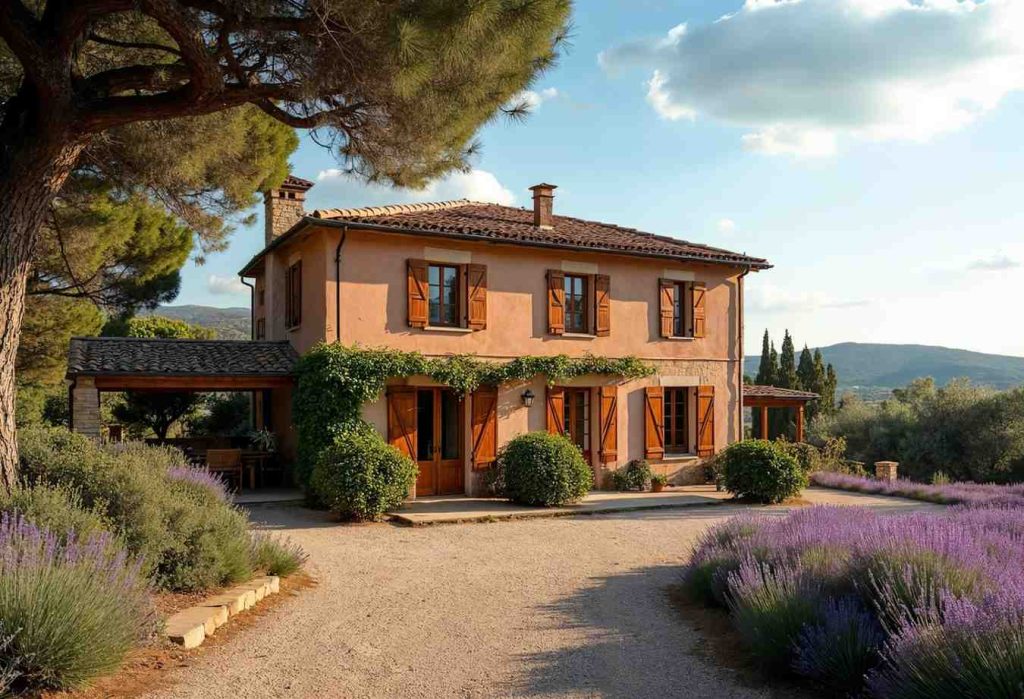
California's Spanish heritage created the state's most recognizable home architecture styles, dominating Southern California neighbourhoods.
Spanish Colonial Revival represents one of the most iconic types of homes in California. Thick stucco walls in warm tones, cream, tan, terracotta, and red clay tile roofs with low pitches immediately identify these homes. Arched doorways, windows, and interior courtyards blur indoor-outdoor boundaries.
They are prevalent in Santa Barbara, Los Angeles' Hancock Park, and San Diego. The style peaked in the 1920s-1930s but remains sought-after for its climate-appropriate design.
Thick walls provide natural insulation during hot summers. Decorative wrought-iron accents, exposed wooden beams (vigas), and ornamental tilework complete the aesthetic. Floor plans wrap around central courtyards, creating private outdoor rooms.
Mission Revival takes inspiration from California's historic Spanish missions. This California home style features curved parapet gables (espandadas), bell towers, and arched corridors.
Simpler than Spanish Colonial Revival, it uses stucco exteriors in white or light colors to reflect heat. Covered arcades provide shaded walkways. Exposed rafter tails, quatrefoil windows, and red tile roofs define these California house styles from the 1890s to the 1920s.
Mediterranean Revival blends Spanish, Italian, and Greek influences. These California architectural styles feature stucco walls, tile roofs, varied rooflines, and elaborate decorative details. Terracotta roof tiles top asymmetrical facades. Tall shuttered windows regulate temperature. Interior courtyards and landscaped gardens emphasize indoor-outdoor living throughout coastal Southern California.
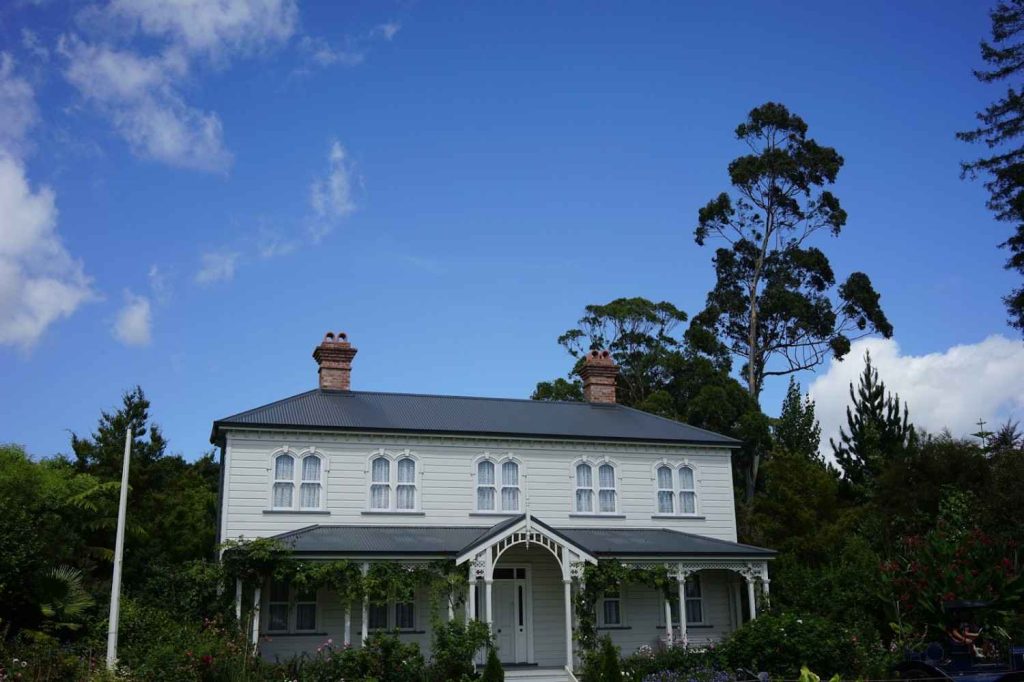
Craftsman architecture defines California house styles more than any other design. The Arts and Crafts movement found its perfect home in California's climate.
Craftsman bungalows represent the quintessential California home style. Low-pitched gabled roofs with wide, overhanging eaves create deep shadows. Exposed rafter tails and decorative brackets showcase structural elements. Full-width porches supported by tapered columns on stone or brick piers are essential.
Built-in cabinetry, window seats, and extensive woodwork characterize interiors. Natural materials dominate: wood siding, stone foundations, brick chimneys.
California's best Craftsman neighborhoods include Pasadena, Berkeley, Sacramento's Curtis Park, and Oakland. Built primarily 1905-1930 (peak 1906-1916), these California house styles emphasized indoor-outdoor living through pergolas and sleeping porches.
Box-beam ceilings, plate rails, and quarter-sawn oak complete the interior aesthetic.
Bungalow courts are California's unique contribution to housing.
First built in Pasadena in 1909, these compact Craftsman bungalows share central courtyards. Small homes (one or two bedrooms) face inward toward landscaped common areas.
You can find bungalow courts throughout Southern California in Pasadena, Los Angeles, and Long Beach. Many restored originals command premium rents.
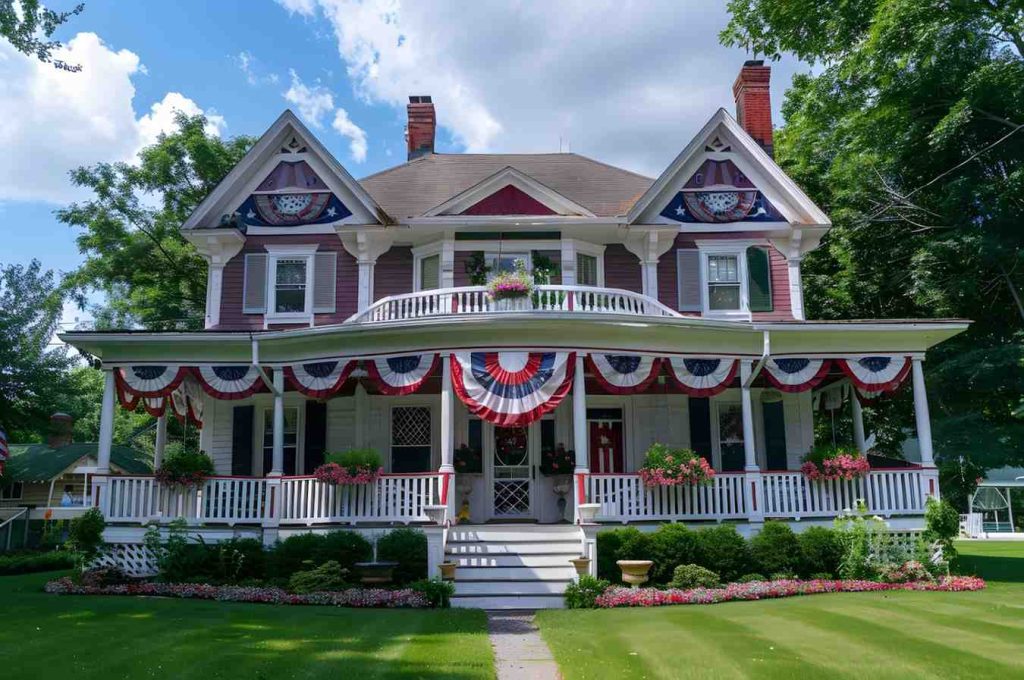
Victorian architecture flourished in Northern California during the late 1800s and early 1900s. These elaborate California house styles showcase decorative details.
Queen Anne represents the most ornate Victorian style among types of houses in California. Asymmetrical facades, round or square towers, and wraparound porches create complex forms. Decorative shingles in fish-scale or starburst patterns add texture. Contrasting paint colors highlight architectural details.
Bay windows project from multiple facades. Gingerbread trim, decorative brackets, and ornate moldings showcase craftsmanship. High ceilings and detailed woodwork fill interiors.
Northern California—particularly San Francisco, Oakland, and Alameda—contains the state's densest Victorian concentrations.
The "Painted Ladies" represent California's most photographed Victorian homes. Queen Anne and Italianate houses along Almond Square showcase vibrant multi-color paint schemes.
Bold colors in three or more shades emphasize architectural elements. Stained glass windows, decorative spindles, and elaborate brackets receive distinct colors, celebrating ornamentation.
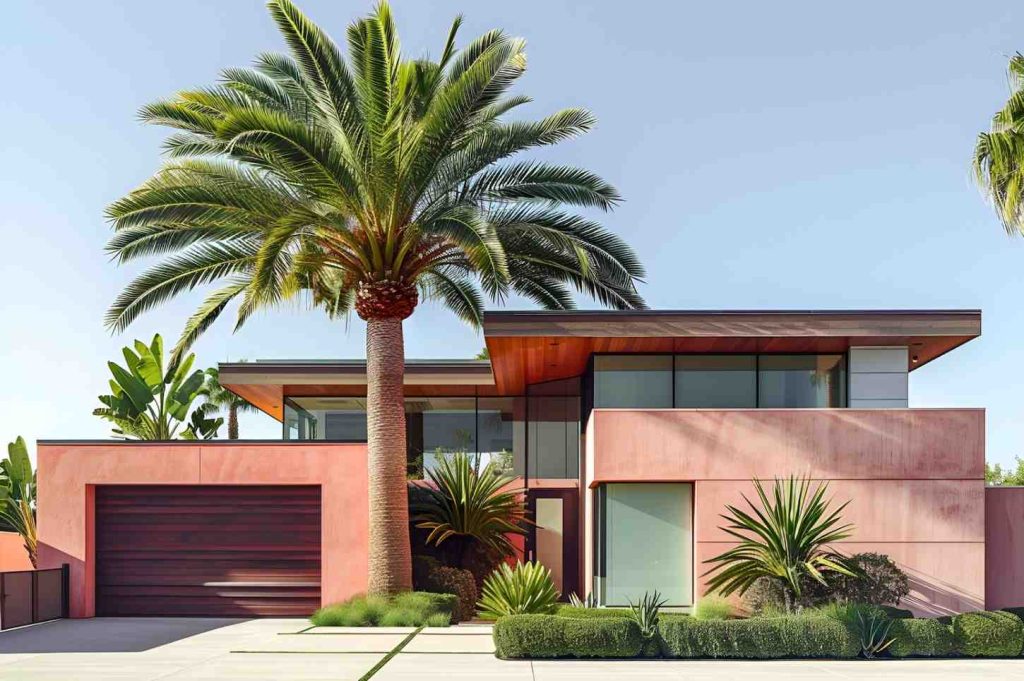
Mid-Century Modern design revolutionized California house architecture from the 1940s to the 1970s, creating something distinctly Californian.
Joseph Eichler transformed affordable housing by bringing modernist architecture to middle-class families. Between 1950 and 1974, Eichler built approximately 11,000 homes, primarily in the Bay Area, creating one of the most distinctive types of homes in California.
Floor-to-ceiling glass walls blur interior-exterior boundaries. Post-and-beam construction creates open floor plans without load-bearing walls. Flat or low-sloped roofs with exposed beams define exteriors. Central atriums, open-air courtyards accessed from multiple rooms, bring nature indoors.
Radiant floor heating, built-in cabinetry, and mahogany paneling were standard. These California home styles emphasize horizontal lines, natural materials, and indoor-outdoor living.
Eichler homes adorn the neighborhoods of Palo Alto, San Jose, Walnut Creek, Sacramento, and five Southern California developments. Progressive architects, including Anshen & Allen, A. Quincy Jones, and Claude Oaklan,d designed these influential California architectural styles.
Palm Springs became the epicenter of desert Mid-Century Modern.
Architects like Richard Neutra and Albert Frey created homes responding to extreme desert conditions.
Large overhangs shade glass walls. Swimming pools and outdoor living rooms extend usable space year-round. Clean geometric lines, butterfly roofs, and clerestory windows distinguish this California house style from Bay Area counterparts.
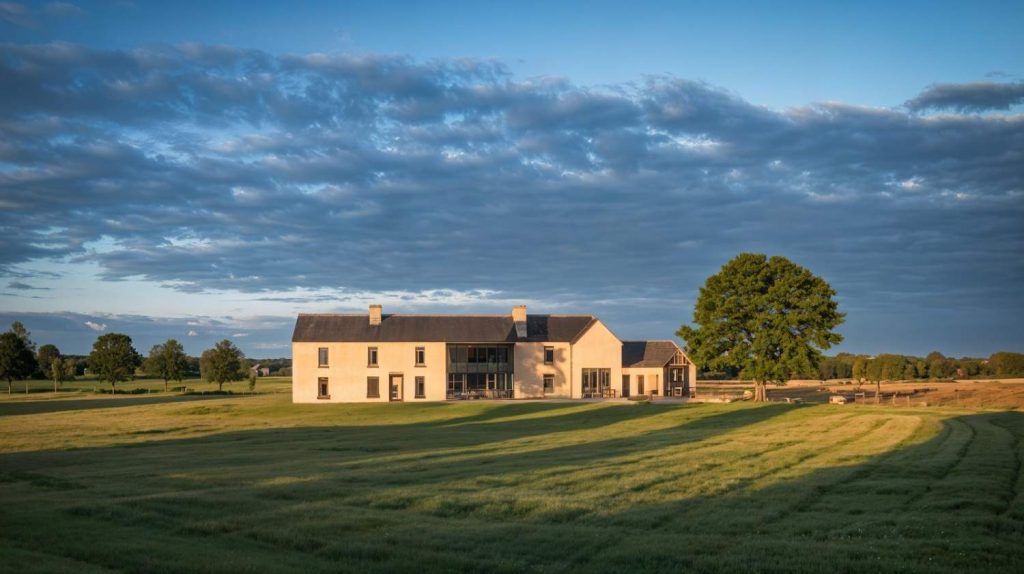
Ranch houses originated in California during the 1930s and dominated suburban development through the 1970s.
Cliff May pioneered the California Ranch style in the late 1920s, basing designs on historic Western ranch homes.
Single-story construction with low-pitched roofs and wide eaves defines the style. L-shaped or U-shaped floor plans create protected outdoor spaces.
Attached garages integrate with the main structure. Large picture windows bring natural light deep into homes. Open floor plans connect living, dining, and kitchen areas.
Exteriors mix brick, wood siding, and stucco. Sliding glass doors connect indoor rooms to outdoor patios. The San Fernando Valley and Central Valley feature extensive Ranch neighborhoods.
These California house styles prioritized functionality and affordability. Post-World War II families wanted practical homes supporting modern lifestyles.
California Ranch homes emphasize indoor-outdoor connections more than Midwest variations, with larger windows, more glass doors, and integrated patios. California versions often incorporate Spanish Colonial elements, tile roof,s or stucco walls.
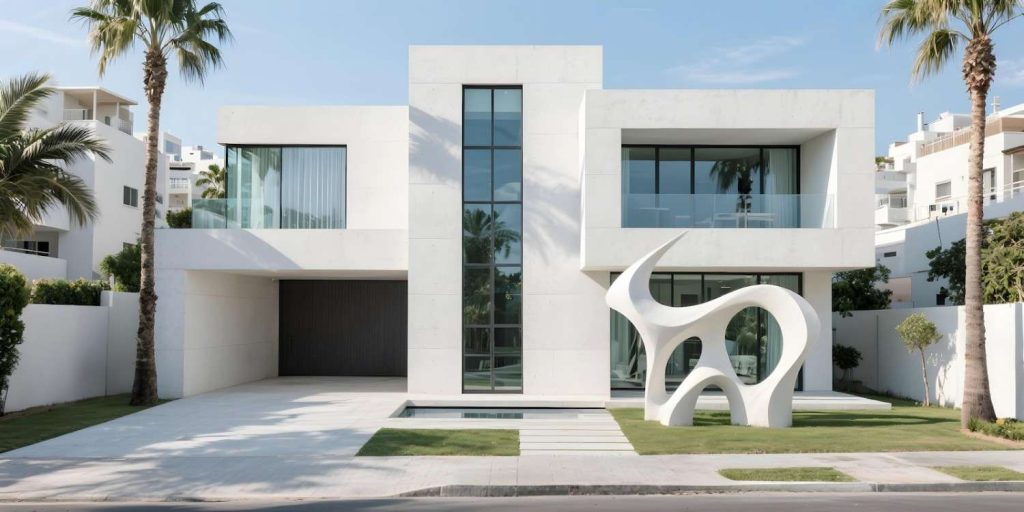
Modern and contemporary homes represent the cutting edge of California home architecture styles.
Modern homes strip ornamentation to emphasize form, space, and materials. Flat or very low-sloped roofs create clean horizontal lines. Large glass expanses connect interiors to views. Geometric shapes stack or intersect. Materials are expressed honestly: exposed concrete, steel beams, and natural wood.
Los Angeles, Malibu, and the Bay Area contain significant Modern concentrations.
Contemporary design evolves constantly.
Current homes mix wood, metal, glass, and concrete in unexpected ways.
Energy efficiency influences design decisions. Large windows consider solar heat gain and passive cooling.
Indoor-outdoor connections add covered outdoor rooms and retractable walls. Flexible spaces accommodate home offices and multi-generational living. These types of homes in California incorporate smart home technology and water-conserving landscapes.
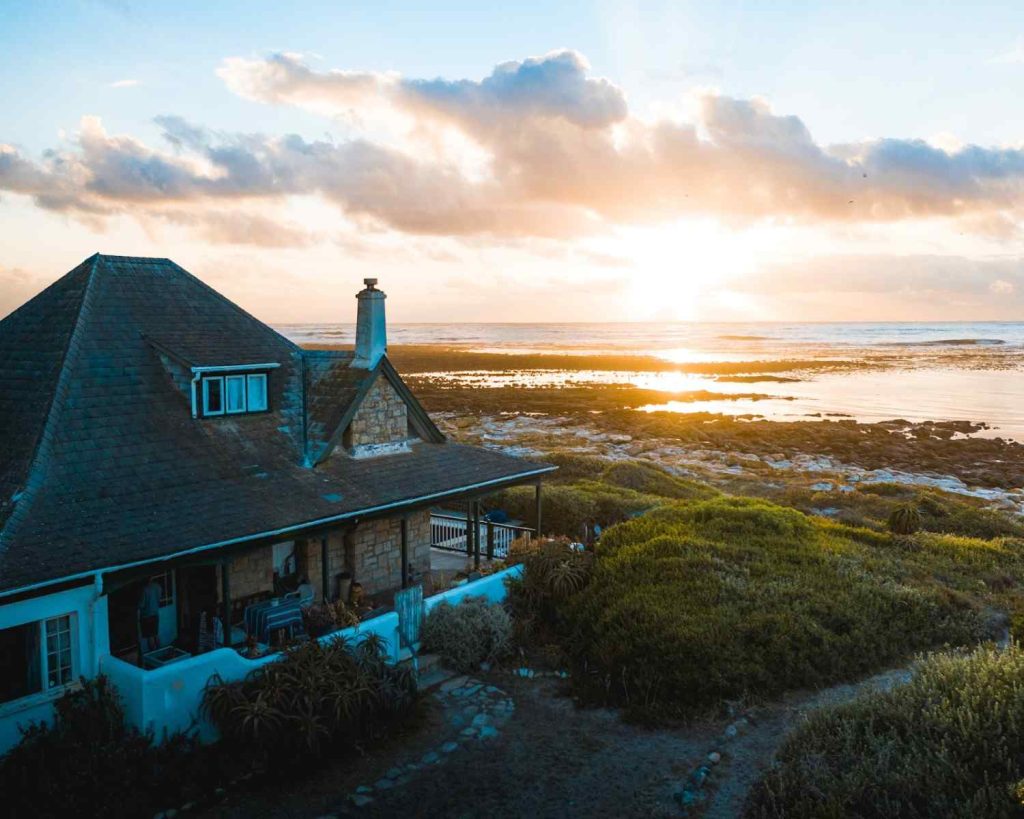
Cape Cod homes appear throughout California, particularly in 1920s-1950s developments. Steep gabled roofs with center chimneys, symmetrical facades, and central entries define the style. Wood siding, shutters, and dormers complete the look.
Sherman Oaks and Encino have seen significant Cape Cod development since 2015.
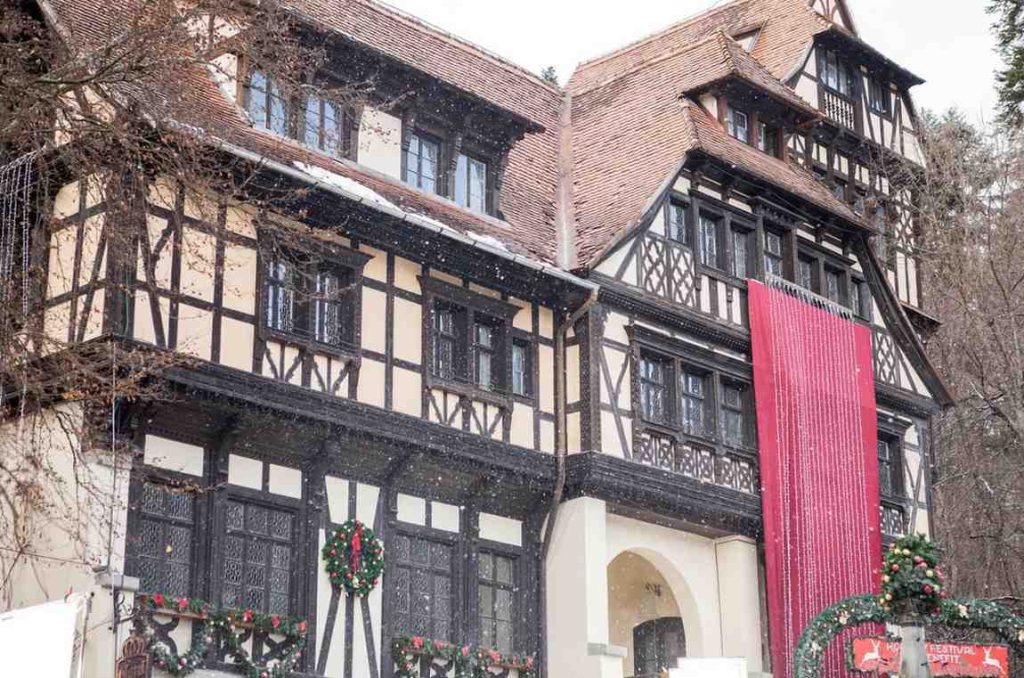
Tudor Revival brings English aesthetics to California. Steeply pitched gabled roofs, half-timbering against stucco or brick, and tall, narrow windows distinguish facades.
Wealthy 1920s-1930s neighborhoods feature these California home styles, which require significant maintenance.
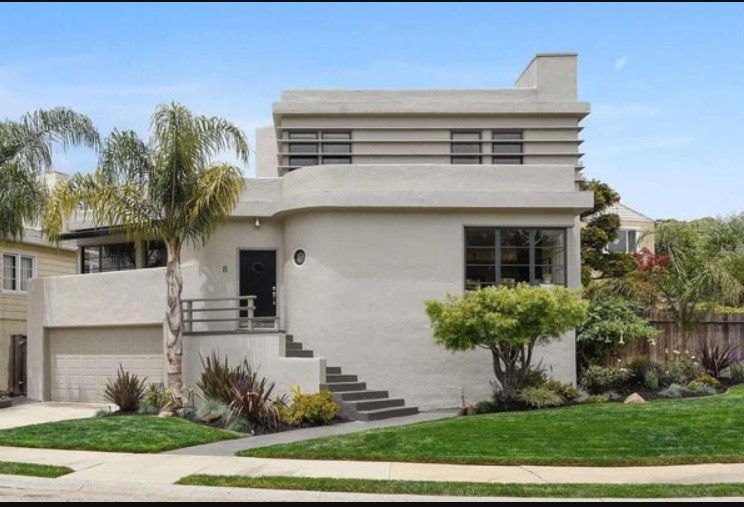
Art Deco residential architecture creates striking homes. Smooth stucco walls, flat roofs, stepped parapets, and geometric patterns define exteriors. Corner windows, glass block, and porthole windows add interest.
Los Angeles contains the most Art Deco examples, particularly from the 1930s.
California's diverse climate creates distinct regional preferences in home styles.
Northern California's cooler, wetter climate favored Victorian architecture. San Francisco, Oakland, and Sacramento feature dense Victorian concentrations. Craftsman bungalows appear throughout both regions,s but Northern examples feature more enclosed porches and steeper roofs.
Southern California embraced Spanish Colonial Revival and Mediterranean styles, responding to hot, dry summers. Thick stucco walls, tile roofs, and shaded courtyards manage heat passively. Palm Springs' desert Modern would feel out of place in San Francisco's fog.
Mid-Century Modern appears in both regions differently. Bay Area Eichler homes feature atriums for temperate climates. Southern California emphasizes swimming pools and desert landscaping.
Coastal communities develop distinct California home architecture styles responding to ocean proximity. Salt air requires maintenance-resistant materials, such as stucco, concrete, and treated wood.
Large windows capture ocean views but need wind-resistant construction. Beach communities feature casual designs emphasizing outdoor living.
The Central Valley features more traditional, affordable housing types. Ranch homes dominate suburban developments.
The region's extreme temperature swings influence design more than coastal California's moderate climate. Covered porches provide summer shade. Larger lots allow sprawling Ranch homes.
Understanding types of houses in California helps buyers make informed decisions.
Southern California's hot, dry climate suits Spanish Colonial, Mediterranean, and Mid-Century Modern styles with passive cooling.
Northern California's cooler, wetter weather works well with Victorian and Craftsman designs, including enclosed spaces and steeper roofs.
Coastal areas benefit from styles that maximize views while handling salt air. Central Valley extremes favor energy-efficient designs with good insulation.
Victorian and Tudor Revival California architectural styles demand the highest maintenance, complex rooflines, decorative elements, and multiple materials need regular upkeep.
Spanish Colonial and Mediterranean homes need less frequent but specialized maintenance. Tile roofs last decades; stucco needs repainting every 10-15 years.
Mid-Century Modern and Ranch styles offer moderate maintenance. Contemporary homes with sustainable materials feature low-maintenance exteriors but may include complex systems requiring specialized service.
Well-maintained iconic California house styles command premium prices.
Original Eichler homes sell above market rates.
Victorian homes in San Francisco's desirable neighborhoods attract buyers despite high maintenance.
Craftsman bungalows maintain strong values in historic neighborhoods.
Spanish Colonial and Mediterranean homes remain popular in Southern California.
Location matters more than style, but distinctive, well-maintained examples typically sell faster and for higher prices.
California's architectural diversity creates neighborhoods as varied as the state's geography. From Victorian mansions overlooking San Francisco Bay to Spanish Colonial villas in Santa Barbara and Mid-Century Modern Eichler homes in Palo Alto, these types of houses in California tell stories of cultural influence, climate adaptation, and design innovation.
Understanding California house styles helps you recognize architectural significance, make informed buying decisions, and appreciate the craftsmanship that defines the Golden State's residential landscape.
Whether you're drawn to Craftsman bungalows' handcrafted details, Spanish Colonial's romantic courtyards, or Mid-Century Modern's glass-walled atriums, California home architecture styles offer options for every aesthetic preference and climate zone.
The key is matching style to location, understanding maintenance requirements, and recognizing how California's unique climate shaped these enduring designs that continue influencing residential architecture nationwide.