Contemporary vs. Modern Home Design: What's the Difference?
12 January, 2026
⚪
Johansson
Home > Blog > This Blog
I recently watched a homeowner describe their dream space to an architect. "I want something modern," they said, gesturing at a photo of a sleek, curved home with floor-to-ceiling windows and mixed materials. The architect paused. "Actually, that's contemporary design." The homeowner looked confused. "Aren't they the same thing?"
This happens more often than you'd think. In everyday conversation, modern and contemporary are synonyms. But in home design, they describe completely different aesthetics from different eras.
Understanding the distinction matters when you're renovating, furniture shopping, or trying to communicate your vision to designers and builders. Getting these terms wrong can lead to miscommunication, wasted time, and designs that miss the mark.
I'll walk you through the key differences between contemporary and modern home design, what defines each style, and how to choose the right approach for your space.
Open any standard dictionary, and you'll find modern and contemporary listed as synonyms. Both suggest something current, present-day, or up-to-date. This linguistic overlap creates the confusion we see in design conversations.
The design world assigned specific meanings to these terms decades ago. Modern refers to a historical design movement. Contemporary describes whatever is happening right now. Designers and architects use these terms with precision because they point to fundamentally different aesthetics, time periods, and philosophies.
When you tell a contractor you want a modern kitchen but show them contemporary inspiration photos, you're setting up misaligned expectations. The materials, color palettes, and structural approaches differ significantly between the two styles. Clear terminology saves time, money, and frustration.

Modern design emerged from the modern art movement in the early 20th century. The style gained momentum through the 1920s and remained influential through the 1960s. Midcentury modern, which peaked in the 1950s and 1960s, represents a later iteration within this broader movement.
Key Influences: Bauhaus, Scandinavian Design, and Midcentury Modern
German Bauhaus principles and Scandinavian minimalism shaped modern design's foundation. Architects like Le Corbusier and designers Charles and Ray Eames popularized the aesthetic. These influences emphasized simplicity and functionality as equally important design considerations.
Modern design operates on the principle that a space's purpose should dictate its appearance. This philosophy drove the movement away from the ornate, decorative styles of previous eras. Every element serves a practical role.
Modern architecture features strong horizontal and vertical lines. You'll see rectangular forms, defined angles, and balanced compositions. The style values symmetry and predictability in its structural approach.
Modern design embraces warm neutrals: browns, beiges, rust, and olive tones. Bold blocks of color appear occasionally, but patterns stay minimal. The overall feel leans warm and grounded rather than stark.
Modern homes showcase natural materials in their most authentic forms. Medium to dark woods, leather upholstery, and natural stone create texture without excessive ornamentation. Chrome, acrylic, and concrete add industrial balance.
Balance defines modern spaces. Furniture placement, window arrangements, and architectural elements follow organized, symmetrical patterns. This creates a sense of order and calm.
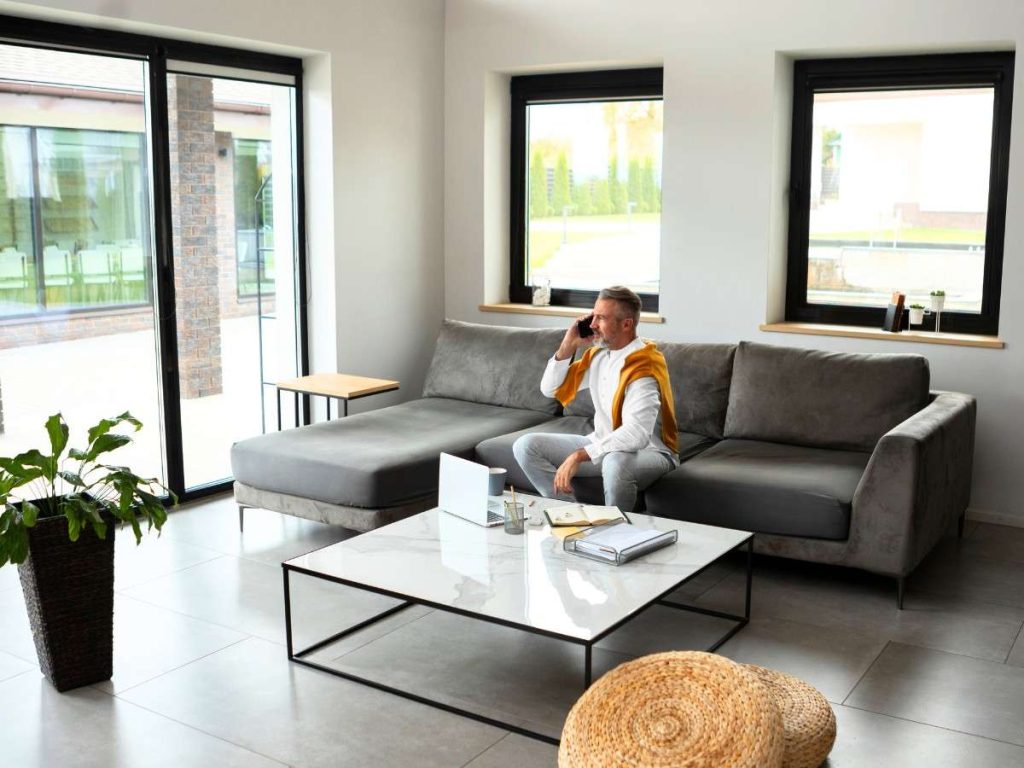
Contemporary design literally means "of the current time." The style began taking shape in the 1970s and continues evolving today. What qualifies as contemporary in 2025 differs from what the term described in 1995.
Unlike modern design's fixed historical period, contemporary design shifts with current values and preferences. Environmental consciousness, global influences, and technological advances continuously reshape what contemporary looks like.
Contemporary design borrows from multiple movements: modernism, postmodernism, Art Deco, and global design traditions. This eclectic approach allows for more personal expression and cultural fusion.
Contemporary architecture embraces curves, irregular shapes, and asymmetry. You'll find rounded walls, sculptural elements, and unexpected angles. The style favors artistic expression over rigid structure.
Contemporary color schemes lean toward stark contrasts. Black and white combinations appear frequently, along with cool neutrals. Pops of vibrant color or jewel tones add visual interest without overwhelming the space.
Contemporary design combines materials in unexpected ways. Steel meets wood. Glass pairs with concrete. The style increasingly incorporates sustainable materials like recycled metals, composite materials, and eco-friendly finishes.
Contemporary homes reflect what's trending right now. In 2025, that includes organic modern influences, with searches for "organic modern bedroom" up 245% on Houzz in 2024. Curves, biophilic design, and smart home integration define the current contemporary aesthetic.

| Aspect | Modern | Contemporary |
| Time Period | 1920s-1960s | 1970s-Present |
| Evolution | Fixed historical style | Constantly changing |
| Color Palette | Warm neutrals, earthy tones | Cool neutrals, stark contrasts |
| Materials | Wood, leather, stone, chrome | Mixed materials, sustainable options |
| Forms | Geometric, symmetrical | Organic, asymmetrical |
| Mood | Warm, structured, grounded | Bold, fluid, fresh |
Modern spaces feel warm and lived-in through their earth-toned color schemes. Contemporary spaces often feel crisp and dynamic with their high-contrast palettes and strategic color placement.
Modern design celebrates the inherent beauty of natural materials in minimal forms. Contemporary design experiments with material combinations and surface treatments, creating more varied textural experiences.
Modern architecture follows predictable patterns with its horizontal lines and rectangular forms. Contemporary architecture surprises with curves, cantilevers, and irregular geometries.
Modern design creates calm through order and warmth. Contemporary design generates energy through contrast and boldness. Both can feel minimalist, but they achieve different emotional results.
The intersection of modern and contemporary shows up in organic modern design. This style combines modern's natural materials and clean lines with contemporary's softer, curved forms. The aesthetic feels both timeless and current.
Both styles increasingly prioritize sustainability. Modern design's emphasis on natural materials aligns well with environmental values. Contemporary design pushes further with recycled materials and smart technology for energy efficiency.
Contemporary homes readily adopt smart home systems. Modern-styled homes integrate this technology too, though designers work to maintain the aesthetic's cleaner, less tech-forward appearance.
Interestingly, designer preferences show 81% favor brass over chrome, and 79% prefer brunette woods over blonde, indicating a shift toward warmer tones even in contemporary spaces.
Start with your gut reaction. Does the warmth and structure of modern design appeal to you? Or do you prefer contemporary design's flexibility and current edge? Your daily experience matters more than following trends.
A midcentury ranch naturally suits modern interior design. A newly built home with large windows and open layouts adapts well to contemporary style. Working with your home's existing architecture creates cohesion.
Modern design's historical roots give it staying power. The aesthetic won't feel dated because it already represents a specific era. Contemporary design risks feeling dated as trends shift, but it offers more opportunities to refresh and update.
Absolutely. Many successful interiors blend modern and contemporary elements. Use modern furniture pieces for their clean lines and warm materials. Layer in contemporary art, lighting, or accessories for current flair. The key is choosing complementary pieces that share minimalist sensibilities.
Yes. Both styles share minimalist principles and clean lines, making them compatible. Use modern furniture for its warmth and structure, then add contemporary lighting or art for current appeal. Focus on pieces that feel intentionally paired rather than randomly collected.
Modern design often costs more due to the premium on authentic midcentury pieces and high-quality natural materials. Contemporary design's costs vary widely based on current trends and material choices. Custom contemporary elements can be pricey, but the style also accommodates more budget-friendly options.
Midcentury modern is a specific subset within the broader modern design movement. It refers specifically to design from the 1950s and 1960s, featuring tapered furniture legs, bold colors, and organic curves. All midcentury modern is modern, but not all modern design is midcentury modern.
Market perception plays a role. Some buyers associate "contemporary" with dated 1970s design rather than current trends. The term "modern" carries positive connotations of timeless style. Modern homes also appeal to collectors and design enthusiasts willing to pay premium prices.
Modern design generally maintains value better because its historical status makes it less susceptible to trend cycles. However, location matters significantly. In design-forward markets, well-executed contemporary homes command strong prices. With 38% of builders constructing smaller homes in 2023, both styles benefit from space-efficient layouts.
The difference between contemporary and modern home design comes down to the historical period versus the evolving present. Modern design offers the warmth and structure of a proven aesthetic movement. Contemporary design provides flexibility to reflect your current lifestyle and values.
Neither style is inherently better. Your choice depends on whether you value timeless consistency or dynamic adaptability. Some people find modern design's warmth more livable. Others appreciate contemporary design's ability to stay current.
The good news? You don't have to choose just one. Understanding what makes each style distinct gives you the vocabulary to mix elements thoughtfully. You can create a space that feels both grounded and fresh, structured and personal.
Consider your daily life, your home's architecture, and how you want your space to feel five or ten years from now. That clarity will guide you to the right aesthetic approach, whether modern, contemporary, or a considered blend of both.