Modern Backyard Ideas No Grass: Low-Maintenance Designs with Gravel, Hardscape, and Native Plants
21 January, 2026
⚪
Johansson
Home > Blog > This Blog
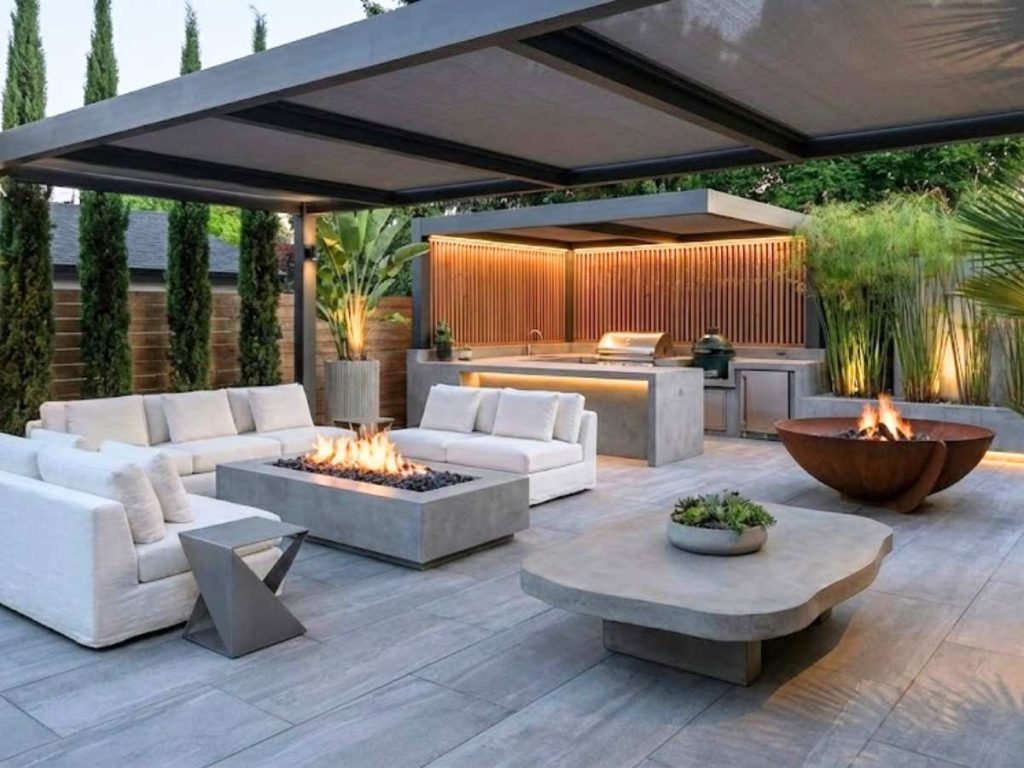
Your lawn demands more than you realize. Traditional grass lawns consume roughly 30-40% of household water in most U.S. homes. That's thousands of gallons annually, along with dozens of hours you could spend actually enjoying your backyard instead of maintaining it. Weekly mowing, fertilizing, aerating, and weed control add up quickly.
Modern backyard ideas with no grass are gaining popularity as homeowners move toward designs that prioritize function and reduce upkeep.
These grass-free approaches often look more intentional than a standard lawn. The shift isn't just about aesthetics; it's about creating outdoor living spaces that work with your lifestyle rather than against it. Water restrictions, climate concerns, and evolving design preferences are all driving this transformation.
This isn't about ripping out your entire yard overnight. It's about understanding which backyard ideas without grass make sense for your space, budget, and how you use your outdoor area. Some solutions cost under $500. Others require more investment but pay back in water savings and maintenance time.
The goal is to find the right balance for your specific situation.
Traditional lawns made sense when water was cheap and weekends were for yard work. That equation has changed. Converting to native plants can save up to 60% on outdoor water use, while drought-tolerant landscaping typically reduces consumption by 50-75%.
Beyond water bills, grass requires fertilizer, weed control, pest management, and equipment maintenance.
Many backyards don't support healthy grass anyway. Shaded areas under trees, sloped terrain, or poor soil can create maintenance headaches. Grass-free designs work with your property's natural conditions instead of fighting them.
When exploring backyard ideas with no grass, gravel provides immediate ground cover at $3-5 per square foot, compared to $10-20+ for pavers.
Pea gravel, crushed granite, and river rock work as foundation materials in contemporary design. The key is treating gravel as an intentional design element rather than fill material.
Large-format pavers set in gravel create pathways and gathering spaces. Different gravel colors establish zones: fine pea gravel for seating, larger river rock for drainage, and decomposed granite for formal spaces. Proper preparation matters: landscape fabric prevents weeds, adequate depth (3-4 inches minimum), and strategic drainage solutions for sloped properties.
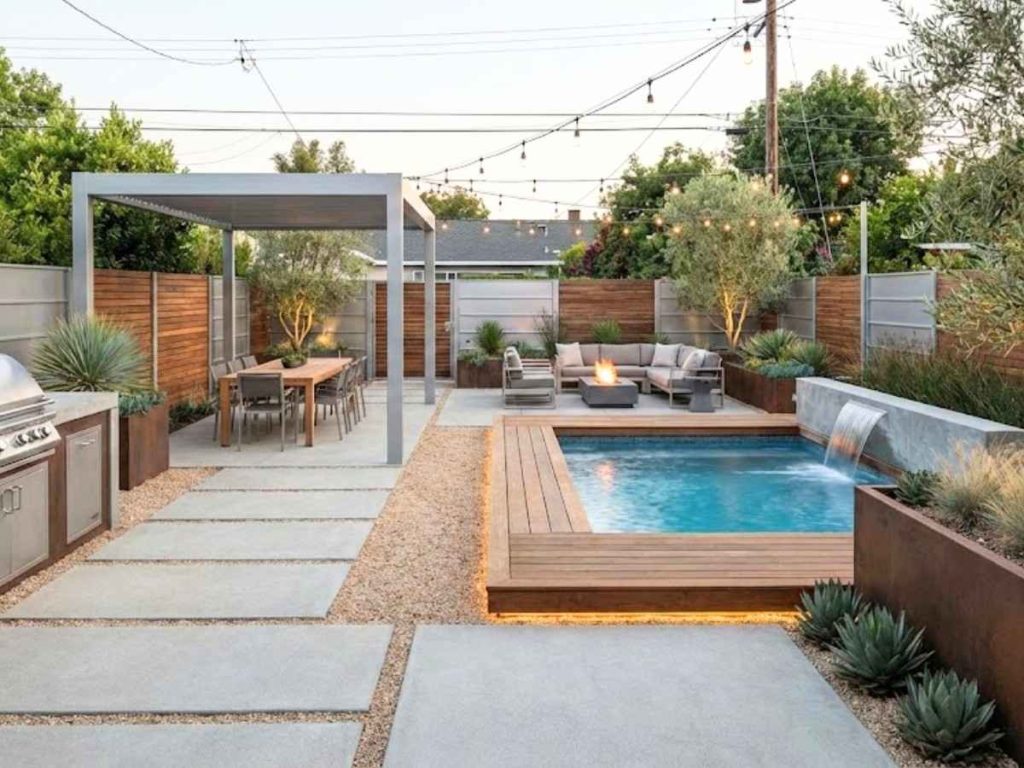
Modern concrete has moved beyond gray slabs. Stamped patterns, exposed aggregate, and acid staining create visual interest while providing durable, zero-maintenance surfaces.
A concrete patio defines outdoor living space more clearly than grass. The investment is one-time, with no seasonal maintenance and no replacement costs for years.
Natural stone costs more ($15-25 per square foot) but brings a different aesthetic quality. Flagstone and bluestone feel established rather than newly installed.
The irregular shapes integrate organically with planted areas. Material longevity justifies the cost for many homeowners.
The ratio matters: aim for 40% hardscape to 60% planted areas. Too much hardscape feels sterile and reflects heat. Too little defeats the low-maintenance purpose. Following professional landscape design principles helps find that balance based on your property's conditions.
Eliminating grass doesn't mean eliminating plants. Native plants adapted to your region establish deep roots, handle climate extremes, and support ecosystems without grass's demands.
Drought-tolerant species like ornamental grasses, succulents, and native perennials thrive with minimal irrigation after the first season.
The visual impact differs from traditional landscaping. Instead of uniform green, you create layers of texture, seasonal color, and varied heights. Mexican feather grass moves with the wind.
Agave provides sculptural points. Native wildflowers attract pollinators and self-seed. These plants offer more visual interest than grass ever could.
Ground covers solve the coverage question. Creeping thyme, clover, and moss spread naturally and require no mowing. They work for visual coverage and light use after 1-2 growing seasons. Each species has different traffic tolerance, so match your selection to actual use patterns.
Vertical gardens maximize plant impact in limited space. Wall-mounted planters, trellises with vines, and living walls bring greenery without consuming square footage.
Budget backyard ideas with no grass don't require thousands of dollars upfront. Transform your entire backyard gradually, not at once. Start with the zone you use most and expand as budget allows.
These cheap backyard ideas with no grass can deliver impressive results without breaking the bank.
For under $500, you can transform a section using decomposed granite ($40-60 per ton covering 100 square feet), recycled pavers from marketplace sites, and container plantings.
DIY labor cuts costs but requires realistic skill assessment. Spreading gravel is straightforward. Installing pavers with proper base preparation takes more skill. Concrete work typically justifies hiring professionals.
Phased implementation lets you test what works before committing fully. That sunny corner might get afternoon shade from a neighbor's tree. Furniture placement might not flow as planned. Starting small lets you correct course.
Modern backyards function as room extensions: cooking, dining, lounging, and play areas. Each zone needs appropriate surfacing, lighting, and access.
A fire pit creates a gathering point and extends usability into cooler months. Set on gravel with stone seating, basic fire pits cost $200-500 for DIY installation, similar to how public space design creates gathering nodes.
Seating areas need level surfaces. Afternoon shade from umbrellas or pergolas matters. Proximity to your house affects usage frequency. Water features add dimension, but approach carefully; self-contained fountains recirculate water rather than consuming it.
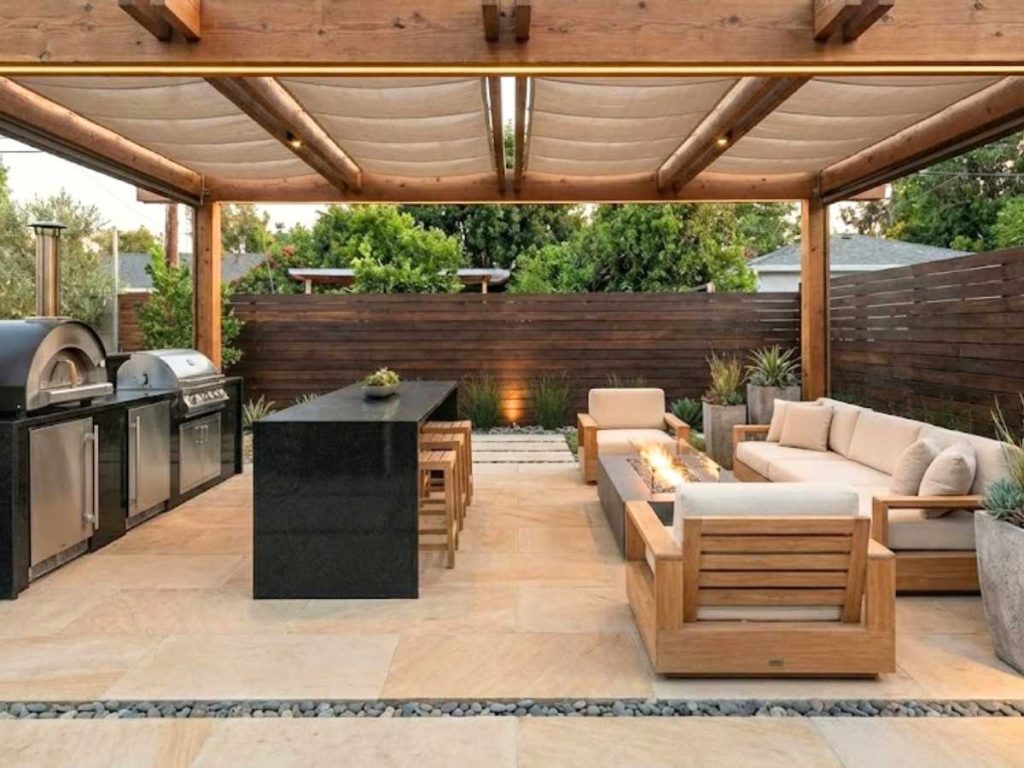
For low-maintenance small backyard ideas, no grass, and limited space demands editing. Better one well-executed zone than three competing areas.
These chenopod backyard idea approaches focus on vertical elements that maximize impact; tall planters, climbing vines, and wall-mounted features draw eyes upward and provide privacy screening.
Artificial turf solves the "I want green" desire without maintenance. Modern synthetic grass has improved, with better drainage, natural appearance, and reduced heat. It costs $5-20 per square foot but eliminates mowing, watering, and fertilizing permanently.
Multi-level designs create separation. A raised deck defines gathering space. Ground-level gravel establishes transition zones. Elevated planting beds contain vegetation. These height changes give small spaces functional complexity.
Grass-free landscaping is low maintenance, not zero. You'll occasionally weed, gravel, trim plants, and refresh mulch, hours per season rather than per week. Drip irrigation systems use 20-50% less water than sprinklers while delivering moisture to the roots. Initial installation costs more, but ongoing savings justify it.
Mulch serves multiple functions: weed suppression, moisture retention, and visual finish. Organic mulches need annual replenishing. Rock mulches provide permanent coverage. The first season needs attention as plants establish. By year two, maintenance drops significantly.
Growing food integrates cleanly into grass-free design. Raised beds from wood, composite, or metal fit contemporary landscapes. Position edible gardens in the sunniest areas; most vegetables need 6-8 hours of direct sun.
Container gardens offer flexibility. Large pots accommodate tomatoes, peppers, and herbs. You can rearrange seasonally or relocate if plans change. This works well for renters or anyone uncertain about long-term commitments.
Successful grass-free backyards start with an honest assessment of how you use outdoor space. Focus on real patterns, dining outside, kids playing, evening gatherings, not unrealistic scenarios.
Start with one zone and build confidence. That first section proves the concept and teaches you what works on your site. Soil drainage, sun patterns, and microclimates often surprise people during implementation.
The goal isn't eliminating greenery, it's creating space that works with your life instead of demanding constant attention. Modern backyard design balances aesthetics, function, and sustainability in ways traditional grass can't match.
Costs range from $3-5 per square foot for basic gravel and ground cover installations to $15-25 per square foot for comprehensive designs including pavers, raised planters, and irrigation systems. A typical 500-square-foot backyard transformation runs $2,500-8,000, depending on materials and whether you hire professionals. Phasing the project over multiple seasons spreads costs and allows budget flexibility.
Decomposed granite or pea gravel provides immediate coverage at $3-5 per square foot. Container gardens using repurposed planters cost $50-200 for a substantial display. Ground cover plants like clover or creeping thyme cost $2-5 per plant and spread naturally over 1-2 seasons. Reclaimed pavers and bricks often appear for free or minimal cost on local marketplace sites.
No landscape requires zero maintenance, but grass-free designs typically reduce upkeep by 50-75%. You'll still need to occasionally weed, trim plants, refresh mulch, and maintain hardscape surfaces. The difference is you're spending a few hours per season rather than several hours weekly. Initial establishment requires more attention, but maintenance drops significantly after the first year.
Well-executed landscape design generally maintains or increases property value regardless of whether it includes grass. What matters is the overall quality, functionality, and appropriateness for your region. In drought-prone areas, water-efficient landscaping often appeals to buyers. Poor execution—bare dirt, dead plants, or obviously neglected spaces—hurts value whether grass is present or not.
Most native plants need one full growing season to establish root systems deep enough to survive with minimal supplemental watering. During this first year, you'll water weekly, similar to grass. By year two, watering frequency drops to every 2-3 weeks. By year three, most natives require water only during extended drought periods. The "low maintenance" aspect kicks in after establishment.