The Modern Boho Living Room: Understanding the Style and Designing It with Ease
24 January, 2026
⚪
Johansson
Home > Blog > This Blog
Picture stepping into a living room where every texture tells a story, where clean lines meet collected treasures, and where sophistication dances with free-spirited charm.

That's the magic of the modern boho living room.
A style that has captured the hearts of design enthusiasts in 2026 by striking the perfect balance between intentional curation and personal expression.
Unlike traditional bohemian spaces that lean heavily into maximalism, modern boho style brings refinement to eclecticism.
It pairs minimalist foundations with carefully selected bohemian elements, creating living rooms that feel both serene and soulful.
It constitutes:
In this guide, I'll walk you through everything you need to understand modern boho style and design a contemporary boho living room with confidence.
From defining the aesthetic to selecting furniture, choosing color palettes, and avoiding common pitfalls, you'll discover how to create a minimalist modern boho living room that's effortlessly chic and authentically yours.
Modern boho style represents a design philosophy that honors individuality while maintaining visual coherence. It's about choosing pieces that reflect your story without overwhelming the space.
This aesthetic celebrates the unexpected, for instance, a vintage Moroccan rug beneath a sleek sectional, handwoven wall art next to minimalist shelving, or a rattan coffee table anchoring a room painted in neutral tones.
The roots of this style trace back to 19th-century Paris, where artists, writers, and performers rejected mainstream conventions.
They created eclectic spaces filled with collected treasures, global textiles, and artistic expression.
Fast forward to 2026, and that spirit endures, but with a contemporary twist that values curation over clutter in home decor.
The bohemian aesthetic embodies three elements:
Traditional boho spaces feature vibrant color palettes, mixed patterns from different cultures, abundant textiles, and an anything-goes approach to furniture arrangement.
Think layers upon layers. Patterned rugs stacked on carpets, walls covered in artwork and tapestries, and every surface displaying collected objects.
According to interior design research, 75% of homeowners report feeling happier in spaces with bohemian decor.
The style's emphasis on personal expression creates environments that feel genuinely lived-in and welcoming.
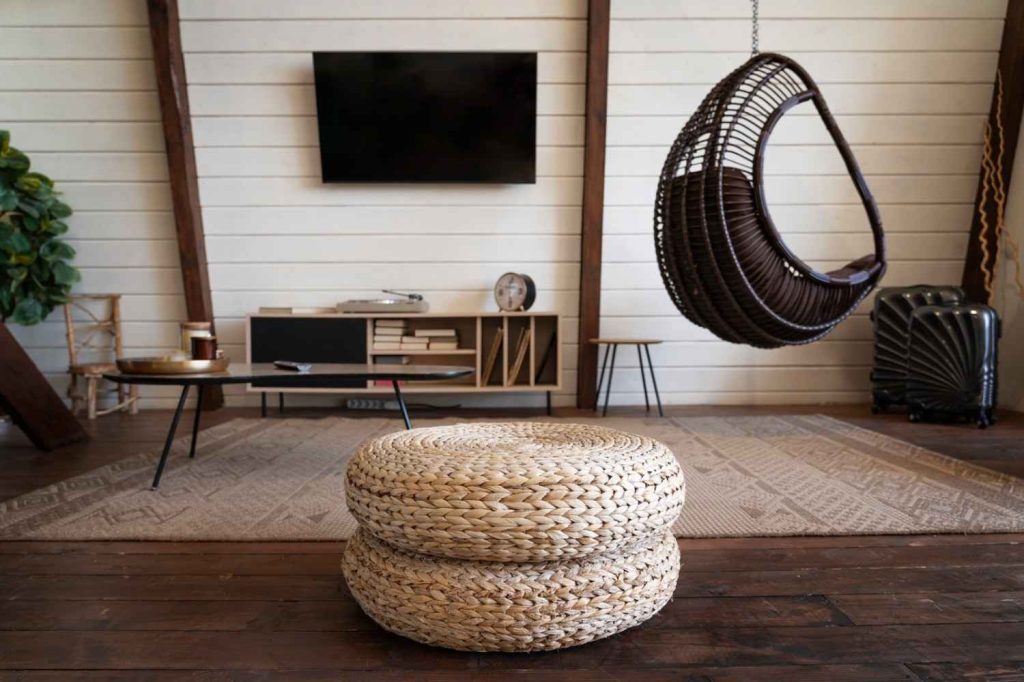
Modern boho living rooms maintain the soul of bohemian design while introducing restraint and structure. Here's what sets them apart:
Curated Collections Over Clutter: Every piece serves a purpose or tells a story. You won't find random tchotchkes; instead, you'll see thoughtfully selected ceramics, meaningful artwork, and functional decorative objects.
Neutral Foundations: Unlike traditional boho spaces bursting with color, modern boho starts with a calm base. Whites, beiges, warm grays, and soft taupes create a serene canvas that lets accent pieces shine.
Natural Materials: Wood, rattan, jute, linen, and cotton dominate the material palette. These organic elements ground the space and connect it to nature.
Intentional Pattern Mixing: Rather than throwing together every pattern under the sun, modern boho pairs two or three complementary patterns, perhaps a geometric rug with striped throw pillows and a subtle textured wall hanging.
Clean-Lined Furniture: Sofas and chairs feature simple silhouettes without ornate details. This modern foundation allows bohemian accessories to add personality without overwhelming the space.
The terms "modern boho" and "contemporary boho" often get used interchangeably, but they're not quite identical.
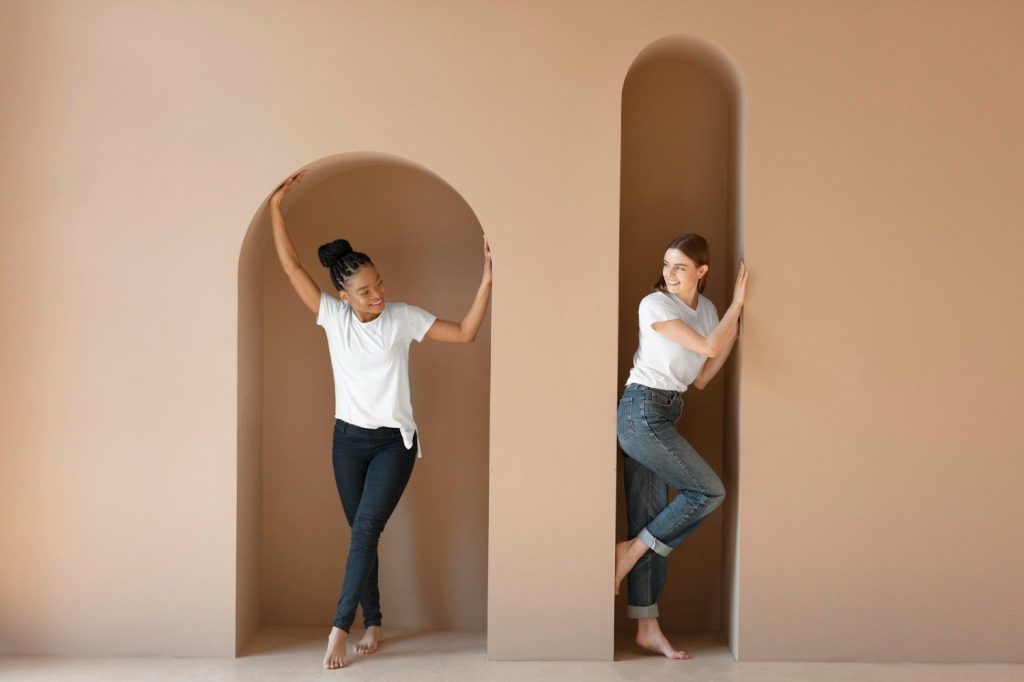
Modern boho refers specifically to the fusion of bohemian elements with mid-century modern and minimalist design principles. It emphasizes clean lines, functional simplicity, and a neutral palette enhanced by boho textures and accents.
Contemporary boho, on the other hand, describes bohemian style interpreted through current design trends. It's more fluid and adapts to whatever's trending now, which in 2026 includes:
Both approaches share common ground: they refine traditional bohemian maximalism.
But modern boho leans toward timeless minimalism, while contemporary boho embraces evolving trends.
For most homeowners, the distinction matters less than understanding the core principle: intentional design that balances free-spirited charm with visual calm.
The magic happens when minimalism and bohemian style stop competing and start collaborating.
Minimalism provides the structure. The clean slate, the uncluttered surfaces, the purposeful simplicity. Bohemian elements bring warmth, texture, and personality.
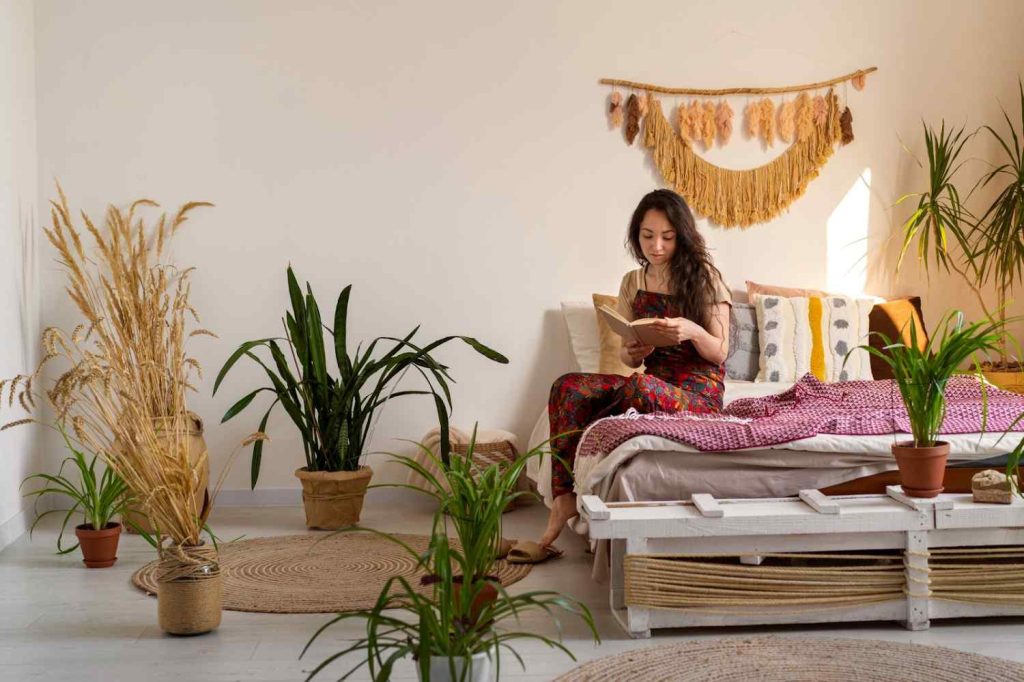
Start with a minimalist room: neutral walls, simple furniture, plenty of negative space. Then layer in boho touches strategically.
A chunky woven throw draped over a linen sofa. A cluster of potted plants on a simple wooden shelf. A single statement rug with ethnic patterns anchoring the seating area.
The key is restraint. For every three minimalist elements, add one bohemian accent. This ratio keeps the space feeling open and breathable while preventing it from sliding into sterile territory.
Natural materials form the foundation of authentic modern bohemian interior design. Wood, whether reclaimed oak flooring or a live-edge coffee table, introduces warmth and organic irregularity.
Rattan and wicker—in chairs, baskets, or light fixtures—add textural depth that's impossible to replicate with synthetic materials.
These materials age beautifully. A leather pouf develops a rich patina. Wooden furniture gains character from scratches and dents. This imperfection isn't something to avoid; it's proof that your space is lived in and loved.
Rugs anchor modern boho living rooms both literally and visually.
Here’s how to choose the right rug for boho style:
Size Matters: Your rug should fit under at least the front legs of your furniture. A common mistake is choosing too-small rugs that make spaces feel disconnected. For most living rooms, an 8x10 or 9x12 rug creates the right scale.
Pattern Selection in home decor: Geometric patterns, tribal prints, and vintage Persian designs all work beautifully in boho spaces. The trick is choosing patterns that complement rather than compete with your other textiles. If your throw pillows feature bold geometrics, consider a more subtle rug pattern.
Layering Potential: True bohemian style sometimes layers rugs, a neutral jute rug topped with a smaller patterned kilim, for example.
Material Considerations: Natural fiber rugs (jute, sisal, seagrass) provide texture and sustainability. Wool rugs offer softness and durability. Vintage or vintage-inspired rugs bring character and often feature the perfect faded colors that complement modern boho palettes.
Bare walls feel cold. Over-decorated walls feel cluttered. The modern boho approach finds the sweet spot between these extremes.
Macramé wall hangings remain popular, but choose thoughtfully. One large statement piece creates more impact than several small ones scattered around. Position it above a sofa, behind a reading chair, or as an alternative headboard in open-plan spaces.
Gallery walls work beautifully in modern bohemian aesthetics when executed with intention. Mix frame styles and sizes while maintaining a cohesive theme: all black-and-white photography, all botanical prints, or all abstract art. Leave breathing room between frames rather than packing them tightly.
Woven baskets mounted on walls add three-dimensional texture. Arrange three in varying sizes for visual interest. Mirrors with natural wood, rattan, or brass frames reflect light, making spaces feel larger while reinforcing the boho aesthetic.
Remember: negative space matters. Your walls don't need complete coverage. Strategic artwork draws the eye and creates focal points without overwhelming.
Texture and pattern differentiate memorable spaces from forgettable ones. But modern boho requires a lighter touch than traditional bohemian design.
Start with a neutral textured base: a linen sofa, a wool rug, a woven window shade. These provide depth without pattern competition. Then layer in patterns strategically through accessories that can be easily changed.
Throw pillows offer pattern flexibility.
Throws and blankets add both texture and warmth.
The pattern rule: if you're mixing three patterns, they should share a common color thread. This creates cohesion despite variety. And always include solid pieces to give the eye places to rest.
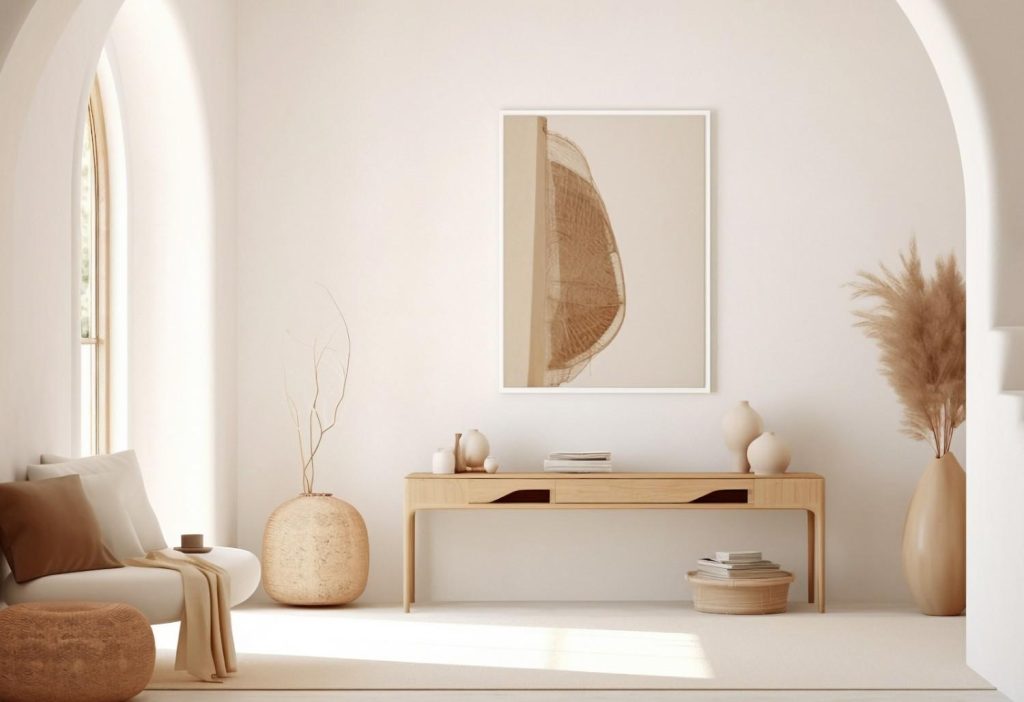
A minimalist modern boho living room sounds paradoxical.
How can you be both minimal and bohemian?
The answer lies in intentionality.
Every bohemian element earns its place through beauty, function, or meaning. Nothing appears randomly.
Color sets the mood before furniture arrangement or decor ever enters the picture. Modern boho color palettes lean toward earthy neutrals punctuated by warm accents.
Foundational Neutrals: Start with warm whites (not stark white. Think cream, ivory, or linen white), soft beiges, gentle grays with warm undertones, and natural wood tones. These earthy living room colors create a calming base that feels grounded rather than cold.
Accent Colors: Terracotta, rust, burnt orange, and clay bring warmth reminiscent of desert landscapes. Sage green, olive, and forest green connect to nature, enhancing the boho charm of any space. Dusty pink, ochre, and mustard yellow add unexpected sophistication to a bohemian living room.
In 2026, Pantone's Mocha Mousse—a rich brown-gray blend—perfectly captures the modern boho color palette direction.
The 60-30-10 Rule: Apply the classic color distribution: 60% dominant neutral (walls, large furniture), 30% secondary color (smaller furniture pieces, rugs), and 10% accent colors (throw pillows, artwork, decorative objects). This creates balance without rigidity.
Modern boho living room furniture bridges the gap between comfort and clean design. Each piece should look good while serving its purpose well.
The Sofa:
Choose a substantial sofa with simple lines in a neutral fabric. Linen, cotton-linen blends, or performance fabrics in oatmeal, gray, or cream work beautifully. Avoid ornate details; let the sofa be a canvas for layered throws and pillows.
Coffee Tables:
Natural wood coffee tables anchor the space organically. Look for pieces that celebrate the wood grain, live-edge tables, reclaimed wood, or simple designs in oak or walnut. Some homeowners opt for woven rattan coffee tables, which add texture while maintaining the natural material ethos.
Seating Variety:
Supplement your sofa with alternative seating. A rattan chair with cushions, a low-slung pouf, or a vintage leather chair adds visual interest.
Storage Solutions:
Open shelving in natural wood provides storage that doubles as display space. Woven baskets corral clutter while enhancing the aesthetic. A credenza or sideboard in wood tones offers closed storage to keep the space feeling uncluttered.
Side Tables:
Small rattan or wooden side tables provide surface space without visual weight. Nesting tables offer flexibility.

Theory is helpful. Seeing it in action is better. Let me share practical ideas that translate the modern boho philosophy into real rooms.
Look at successful modern boho living rooms, and you'll notice common threads. They feature neutral walls, often white or warm beige, that let furnishings and accessories provide personality.
Large windows with minimal window treatments maximize natural light. And importantly, they avoid overcrowding. Each piece has space to breathe.
Natural light plays a starring role. Biophilic design principles emphasize connecting indoor spaces with nature, and this means keeping windows clear and using sheer fabrics when privacy requires coverage. Position seating to take advantage of views and sunlight.
Plants appear abundantly but not chaotically. Three or four substantial plants create more impact than a dozen small ones. A fiddle leaf fig in the corner, a snake plant on the bookshelf, and trailing pothos on floating shelves bring life without maintenance overwhelm.
The most successful spaces tell stories. That vintage mirror came from a flea market in Provence. Those hand-dyed pillows were purchased directly from an artisan in Morocco. These personal connections elevate a room from "designed" to "lived-in."
Macramé Projects:
Basic macramé techniques, square knots, and half-hitch knots create wall hangings, plant hangers, and even curtain tiebacks. Start simple: a small wall hanging takes just a few hours and costs under $20 in cord. Online tutorials make learning accessible.
Painted Terra Cotta Pots:
Plain terra cotta pots cost pennies. Transform them with chalk paint, create geometric patterns with painter's tape, or try earthy tones like terracotta, rust, and cream. Seal with matte varnish for durability.
DIY Throw Pillows:
Buy pillow inserts and fabric remnants to create custom pillows. No sewing required, many craft stores sell fabric glue that holds beautifully. Mix store-bought pillows with these handmade versions for a curated look.
Thrifted Furniture Refresh:
Give vintage furniture new life. A dated wooden chair becomes modern with light sanding and natural tung oil. Old picture frames turn gallery-worthy with fresh paint and new mats.
Natural Dye Projects:
Natural dyes from turmeric (golden yellow), avocado pits (dusty pink), and black beans (blue) create soft, earthy colors on cotton textiles. Dye vintage linens or plain canvas for custom table runners, pillow covers, or wall hangings.
Beautiful rooms that don't function well become spaces you avoid. Modern boho design should support how you actually live.
Design trends come and go, but modern boho's staying power stems from deeper shifts in how we think about our spaces, especially in the context of a minimalist boho style.
For years, minimalism dominated. Bare walls, hidden storage, the less-is-more philosophy. But many people found pure minimalism cold and uninspiring. It felt more like staging a home for sale than actually living.
Enter curated maximalism, which modern boho exemplifies.
Rather than eliminating everything, this approach eliminates only the unnecessary.
What remains carries meaning, beauty, or function. According to 2026 design research, maximalism is resurging, but with a crucial difference: intention replaces accumulation.
Modern boho spaces feel full without feeling cluttered because every item justifies its presence. That stack of vintage books on the coffee table reflects your interests.
This intentional approach resonates with people tired of both minimalist austerity and chaotic clutter. It offers a middle path: abundant personality within a structured framework.
Sustainability isn't just trendy, it's essential. And modern boho design aligns beautifully with sustainable principles, often featuring woven rugs and pendant lights.
The personal expression element amplifies sustainability's appeal. Generic mass-produced decor all looks the same. But vintage finds, handmade pieces, and natural materials create unique spaces that reflect your values and personality.
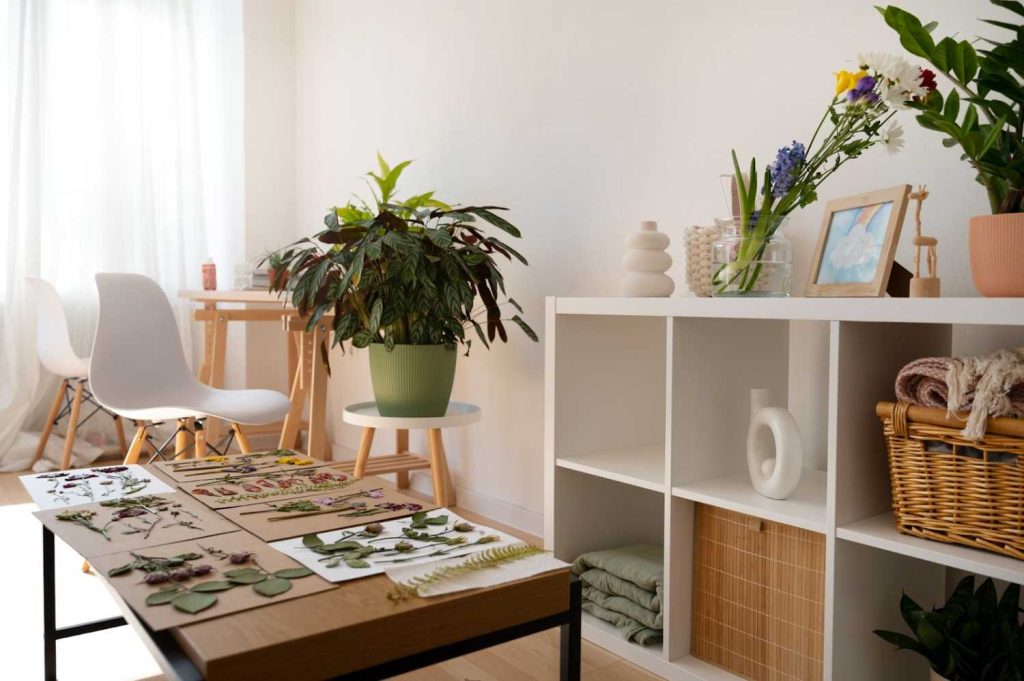
In 2026, authenticity matters more than matching furniture sets.
Even with the best intentions, certain missteps undermine modern boho design. Avoid these pitfalls, and you'll create a more cohesive, livable space.
The biggest trap: assuming "boho" means "pile on everything." Traditional bohemian spaces could lean maximalist. Modern boho cannot. Every piece needs justification. Beauty, function, or emotional connection.
Before adding anything to your space, ask:
If the answer to all three is no, leave it out. One beautiful ceramic vase creates more impact than five mediocre ones crowding a shelf.
A rattan peacock chair looks stunning in a bohemian living room. But if it's uncomfortable, you'll never sit in it. A chunky knit throw makes a beautiful texture, but if it's scratchy, it won't get used. A vintage rug adds character until you realize it sheds constantly.
Before committing to any purchase, consider practical realities.
A beautiful space that doesn't support how you live becomes a museum you resent maintaining.
Test furniture in person when possible. Sit on that sofa. Touch that fabric. Open those drawer glides. Online shopping offers convenience, but a tactile experience prevents expensive mistakes.
Cookie-cutter modern boho, buying a complete room set from one retailer, defeats the style's essence. The point is creating a space that reflects your story, not replicating someone else's vision.
Mix sources. Combine new pieces with vintage finds. Pair mass-market items with handmade purchases. Display collected objects from your travels. Hang artwork that matters to you, not just what's trendy.
Your modern boho living room should feel like you. If you've never been to Morocco, don't fill your space with Moroccan textiles just because they're popular. If you love the ocean, incorporate those blues and driftwood elements even if they're not "typical" boho. The style's flexibility allows personal interpretation.
Creating your ideal modern boho living room doesn't require a full renovation or unlimited budget. Start strategically and build over time.
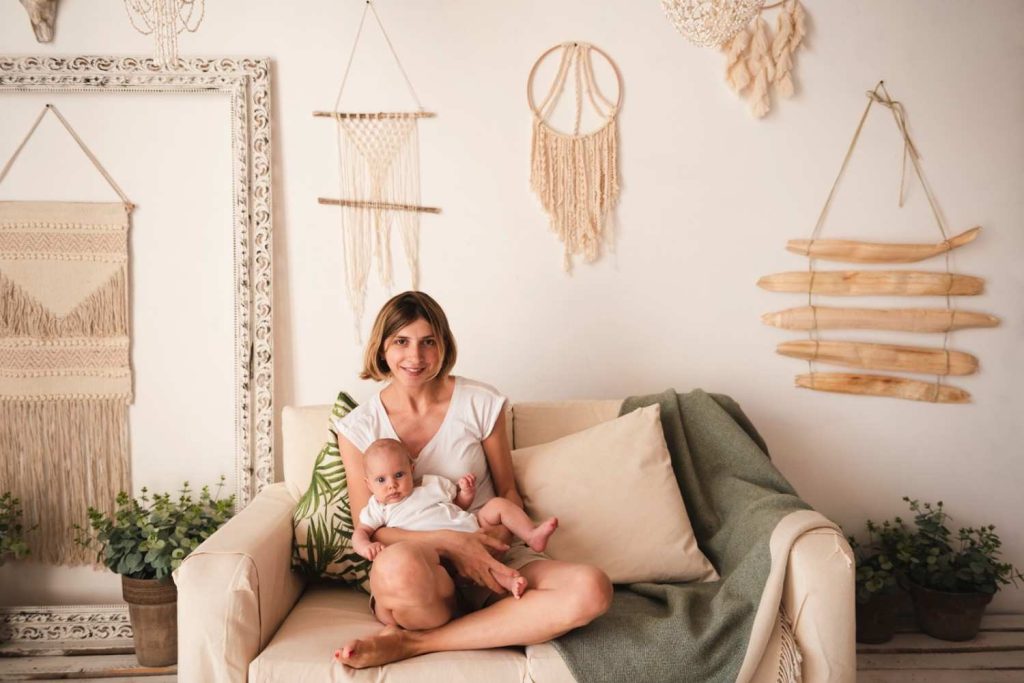
Phase 1:
Phase 2:
Phase 3:
Phase 4:
Phase 5:
Remember: modern boho living rooms develop over time. They're never truly finished because they grow with you. That vintage chair you find next year will fit perfectly. Those handmade pillows from your vacation will add new memories. The plants you propagate will fill new spots.
Whether you're starting from scratch or refining an existing space, remember that the best rooms evolve gradually.
They accumulate meaning through collected objects, discovered vintage treasures, and handmade elements that tell your story.
Your modern boho living room should feel like the most authentic version of home, a space where clean lines meet personal expression, where every texture and pattern serves a purpose, and where guests immediately feel welcome.
If you're ready to transform your vision into reality with expert guidance, explore how Johansson Design approaches landscape and interior space design with the same principles of intentionality and craftsmanship that make modern boho living rooms so compelling.