How Modern Spanish Interior Design Blends Traditional and Contemporary Styles
19 January, 2026
⚪
Johansson
Home > Blog > This Blog
You walk into a room with white plaster walls, exposed wooden beams overhead, and terracotta tiles underfoot. A sleek sofa sits next to a hand-carved wooden chest. The space feels warm, but not outdated. That's modern Spanish interior design for you.
I've watched this style gain momentum in recent years because it balances history with modern living. But get it wrong, and your space feels like a theme restaurant. With Americans spending an estimated $477 billion on home renovations by Q3 2025, many homeowners crave this balance.
Modern Spanish interior design isn't just randomly mixing old and new. You need to understand which traditional elements provide warmth, which contemporary touches create livability, and how to combine them intentionally. In this guide, I’ll show you the essential elements of contemporary Spanish interior design, teach you how to blend traditional warmth with contemporary flair, and provide you with strategies you can implement in your home.
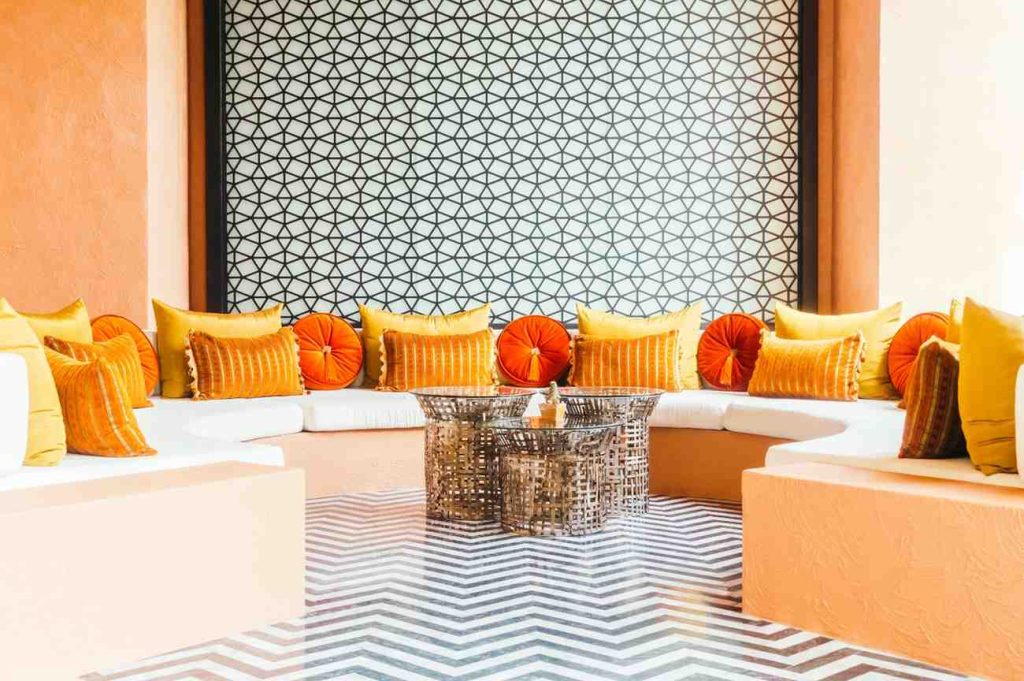
Modern Spanish-style interior design blends Spain's architectural heritage with contemporary sensibilities. The style pulls from Moorish architecture, Mediterranean living, and Spanish Colonial settlements, then filters these through a modern lens, emphasizing functionality and restraint.
This approach takes traditional Spanish warmth, texture, and craftsmanship and pairs them with contemporary simplicity and clean lines. After all, you're not recreating a 16th-century villa, are you?
Spanish Colonial design emerged when Spanish settlers brought architectural traditions to the Americas in the 16th century. The original style featured thick stucco walls, exposed beams, and decorative ironwork, i.e., practical architecture for warm climates.
Modern Spanish colonial interior design keeps the architectural bones while simplifying decorative elements. Where traditional Colonial featured ornate carved furniture throughout, modern interpretations let select pieces shine against quieter backgrounds.
Spanish design influence remains strong, with 40.6% of US interior designers speaking Spanish as a second language. The style connects people to history and craftsmanship while solving a practical problem: homeowners want warmth and character without sacrificing function or contemporary comfort.
Modern Spanish home interiors rely on materials with texture and organic quality. Wood appears in exposed ceiling beams (darker tones like walnut or mahogany), rustic furniture, and flooring. Stone shows up in countertops and fireplace surrounds. Terracotta tiles bring earthy warmth. Clay pottery, woven textiles, and iron fixtures complete the palette.
The key is authenticity; materials should look real with visible grain, natural variations, and imperfections suggesting handcrafting.
The color foundation starts with warm neutrals and earthy tones: terracotta, ochre, warm beiges, sandy tans. Mediterranean influences add deeper blues, olive greens, and occasional jewel tones as accents.
White plays a crucial role in modernizing the style. Large expanses of white or cream plaster walls create breathing room, preventing spaces from feeling too heavy even with rich wood tones and saturated accents.
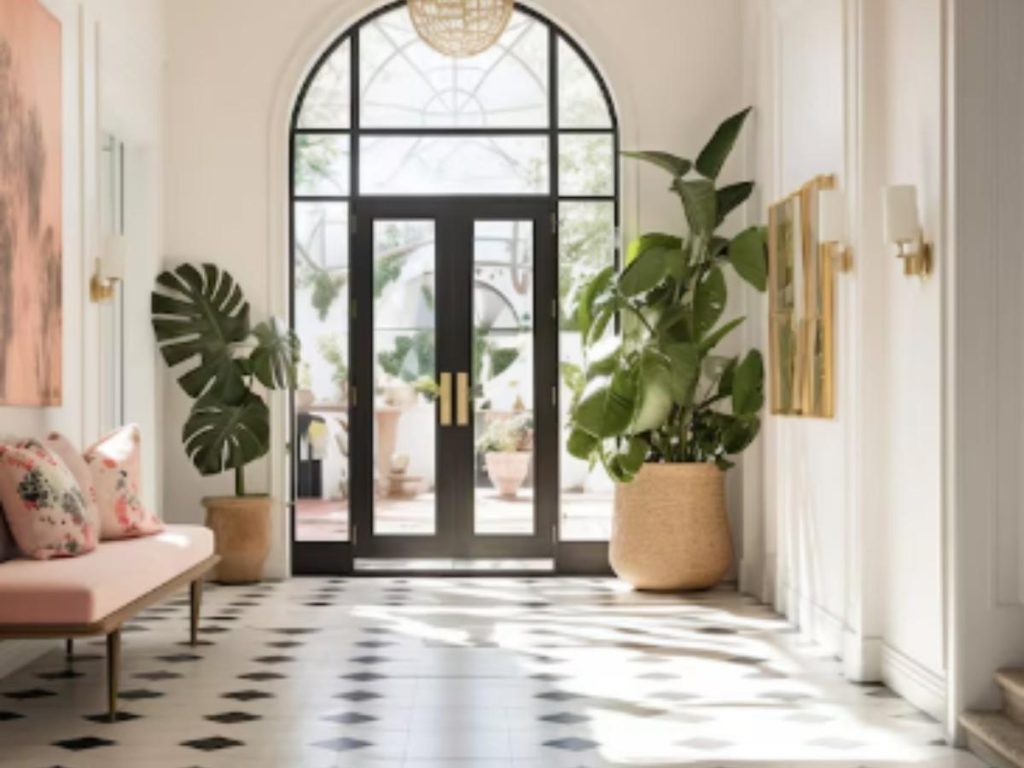
Arches are the most recognizable Spanish style element. In traditional Spanish homes, arched doorways connect rooms, frame windows, and create niches. Modern interpretations simplify the profile toward cleaner, rounder forms.
Ceiling beams provide structural and aesthetic impact. Typically substantial and finished in darker wood tones, they contrast with lighter ceilings and walls. Modern versions have cleaner lines but maintain weight and permanence.
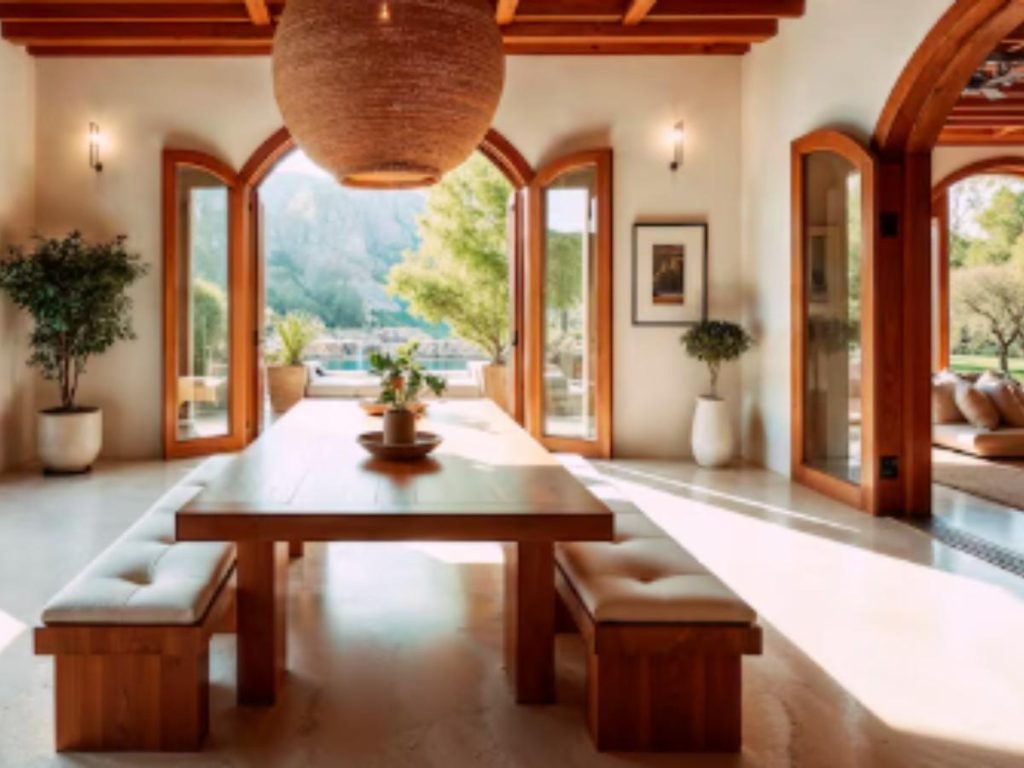
Iron fixtures provide authenticity through stair railings, light fixtures, window grilles, and hardware. Modern Spanish design simplifies traditional, elaborate scrollwork into cleaner geometric forms, often using matte black finishes.
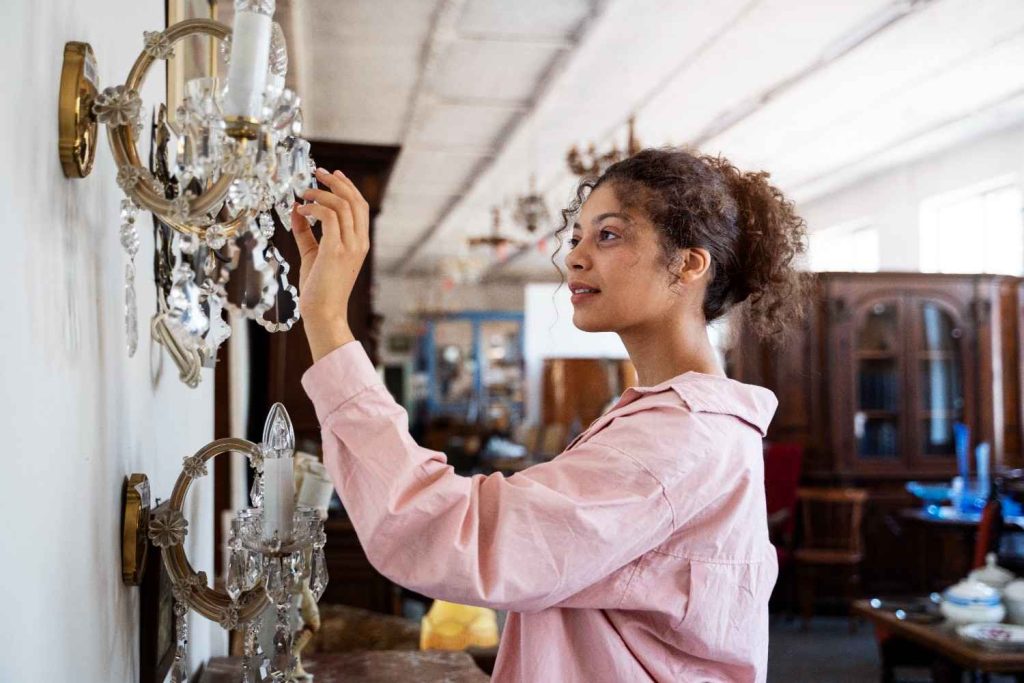
Spanish tile ranges from simple terracotta to hand-painted ceramics with Moorish patterns. Modern interiors use tile selectively as focal points: kitchen backsplashes or single stair risers, rather than covering entire surfaces.
Wall finishes matter too. Smooth plaster, limewash, and stucco create textured surfaces that catch light differently than flat paint, adding depth even in neutral colors.
This is where everything comes together. The Spanish home decor market, which reached $12.55 billion in 2024 and is projected to grow to $18.02 billion by 2033, shows increasing interest in designs merging Mediterranean warmth with modern minimalism.
The central challenge in Spanish interior design style is achieving balance. Too much ornament feels dated; too much minimalism loses warmth and character. The most successful modern Spanish style interiors follow "selective tradition". They identify traditional elements providing most character, then give them room to shine against minimalist contemporary backdrops.
If the classic Spanish design is rich and layered, the modern take on Spanish design is edited and intentional. You're keeping the soul while removing excess.
Dark wood tones immediately communicate traditional Spanish character. Historically influenced by Moorish and Renaissance styles, darker woods like walnut and mahogany create depth against white walls. Use them in ceiling beams, substantial furniture pieces, and sometimes flooring, but judiciously.
Natural textures add warmth: rough-hewn wood with visible grain, unglazed terracotta with irregular surfaces, handwoven textiles. These engage senses in ways smooth materials don't.
Traditional Spanish architecture celebrates craftsmanship with hand-painted tiles, hand-carved furniture, handwoven rugs, and hand-forged iron. In modern contexts, select a few key pieces. A hand-painted tile backsplash becomes a focal point in a simple kitchen. A hand-carved console provides character against clean white walls.
Create moments of interest without overwhelming the space. Each handcrafted element needs room to be appreciated.
Traditional Spanish colors draw from the landscape: terracotta, ochre, deep reds, warm browns. In modern Spanish design, these appear as accents rather than dominant hues. Use terracotta in floor tiles or pottery, not on entire walls. Ochre or rust might appear in pillows or a single chair rather than throughout the room.
Contemporary furniture features simple geometric forms. Unlike ornate traditional pieces, modern furniture has clean profiles and minimal ornamentation. A contemporary sofa with straight lines works beautifully in Spanish modern spaces, especially in neutral linen or cotton.
Clean lines provide calm counterpoints to textured traditional elements, giving your eye places to rest.
Modern Spanish interiors start with whites, creams, and soft grays. These create spaciousness and light that traditional interiors sometimes lacked. The contemporary approach uses warm whites extensively, letting natural light bounce and fill spaces.
Color appears sparingly. Rather than multiple saturated colors, use one or two accents. This restraint lets architectural features take center stage.
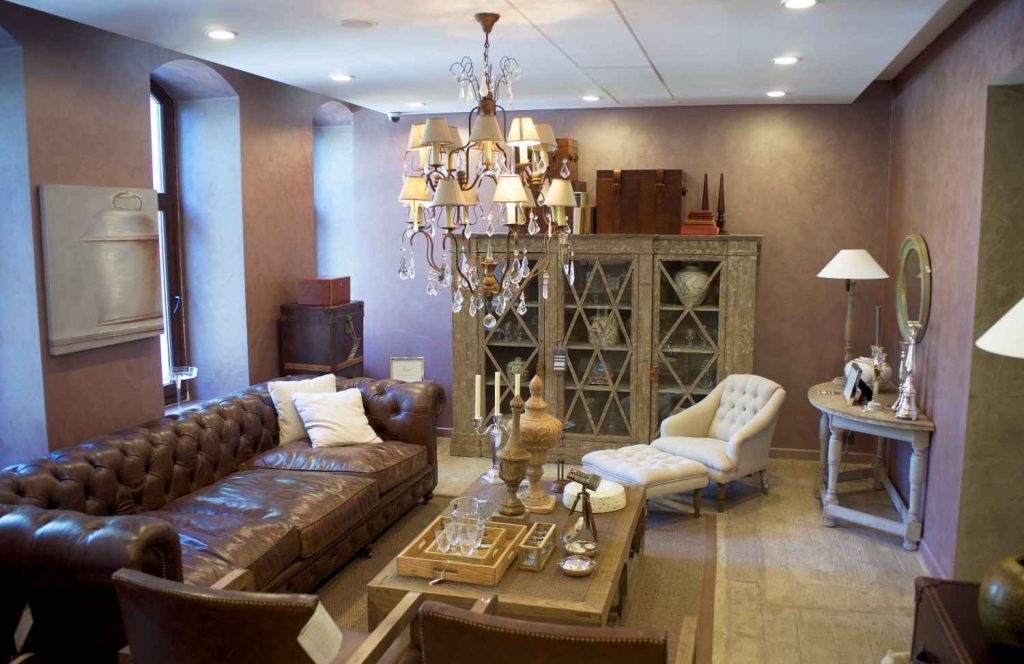
While traditional Spanish interiors featured elaborate wrought iron chandeliers, contemporary versions simplify these forms. The lighting in modern Spanish homes might use geometric rather than curvilinear iron forms, or contemporary pendants referencing Spanish design through materials.
Updated fixtures extend to hardware, streamlined forms in matte black or aged iron rather than ornate brass.
Pairing rough architectural elements with refined contemporary furnishings creates a powerful contrast. Dark wooden beams overhead contrast beautifully with sleek white sofas below. The beams provide warmth; the sofa provides contemporary polish. Each makes the other better.
Apply this throughout: rustic terracotta floors with glass dining tables, textured plaster walls with minimalist art, heavy iron fixtures with streamlined cabinetry.
Collected spaces feel authentic. The modern Spanish design aesthetic mixes carefully chosen vintage pieces with contemporary elements. A vintage Spanish chest anchors rooms with contemporary furniture. An antique jar or vintage rug adds character.
Key word: "few." Add select pieces providing interest, not museum collections.
Spanish design includes ornate elements: decorative tiles, carved wood, and elaborate ironwork. Modern Spanish keeps some but gives them breathing room. If you have hand-painted tile with complex patterns, the surrounding surfaces should be simple. The tile becomes focal because it's not competing.
If you have arched doorways and exposed beams, furniture should be simple. If architecture is minimal, you have more freedom for patterns in furnishings.
Not every room needs equal balance. Create variations while maintaining coherence. A living room might lean traditional with beams and a rustic fireplace, while an adjacent kitchen leans contemporary with sleek cabinetry. Connecting elements, white walls, similar flooring, and consistent lighting relate the spaces.
Open floor plans use architectural features like arches to define zones while maintaining flow, allowing traditional-contemporary balance to shift from area to area.
Modern Spanish style homes can blend the two qualities by using neutral schemes as backdrops, then varying traditional versus contemporary elements room by room. The common thread is restraint; designers select features providing the most impact rather than including every traditional element.
Living rooms showcase modern Spanish design most prominently. Start with architectural elements: exposed beams, textured walls, arched openings. Use a contemporary sofa in neutral colors as your anchor. Add a substantial wooden coffee table in darker tones. Layer texture through jute or wool rugs, linen pillows, and perhaps a vintage wooden chest. Keep window treatments minimal to maximize natural light.
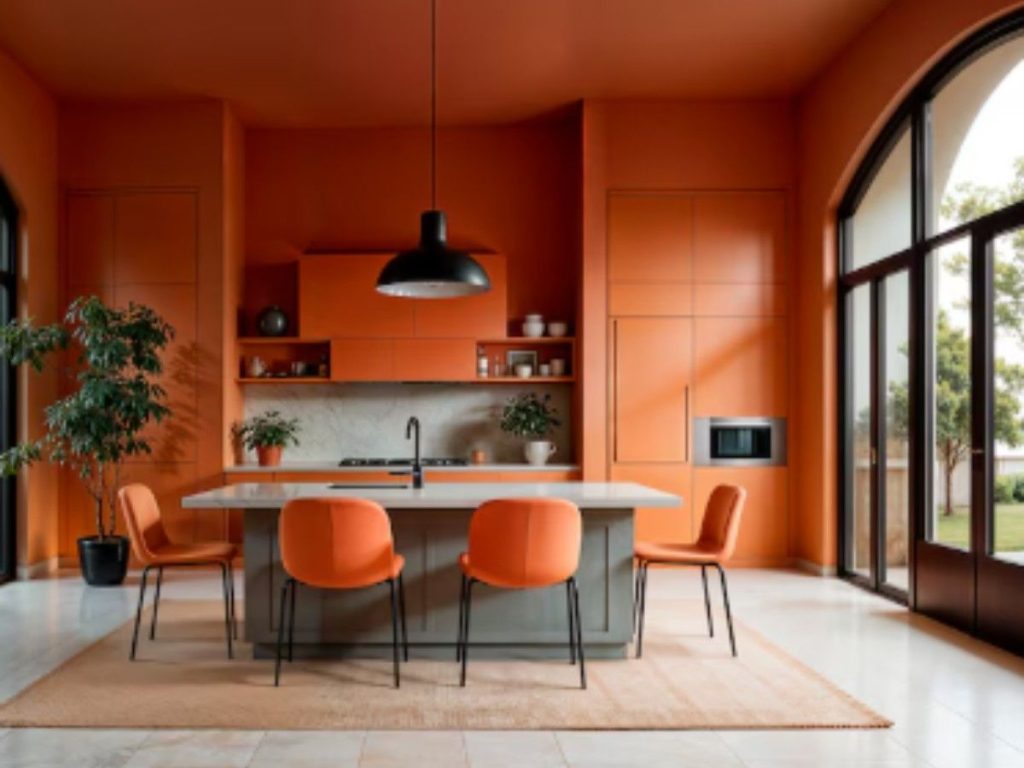
Modern Spanish kitchens balance contemporary function with traditional character. Simple cabinetry in white or cream provides a clean backdrop. Spanish character emerges through the kitchen design in the form of hand-painted tile backsplashes, arched range hoods, open shelving with rustic brackets, and darker wood accents on islands. Hardware should be simple, like matte black or aged iron.
Bedrooms emphasize comfort with substantial wooden bed frames, simple neutral linens, and textural elements like jute rugs and linen curtains. This style works particularly well in large bedrooms. Bathrooms can feature terracotta floor tiles or hand-painted ceramic accents paired with contemporary fixtures and clean-lined vanities. An arched mirror or niche provides Spanish character without period-matching everything.
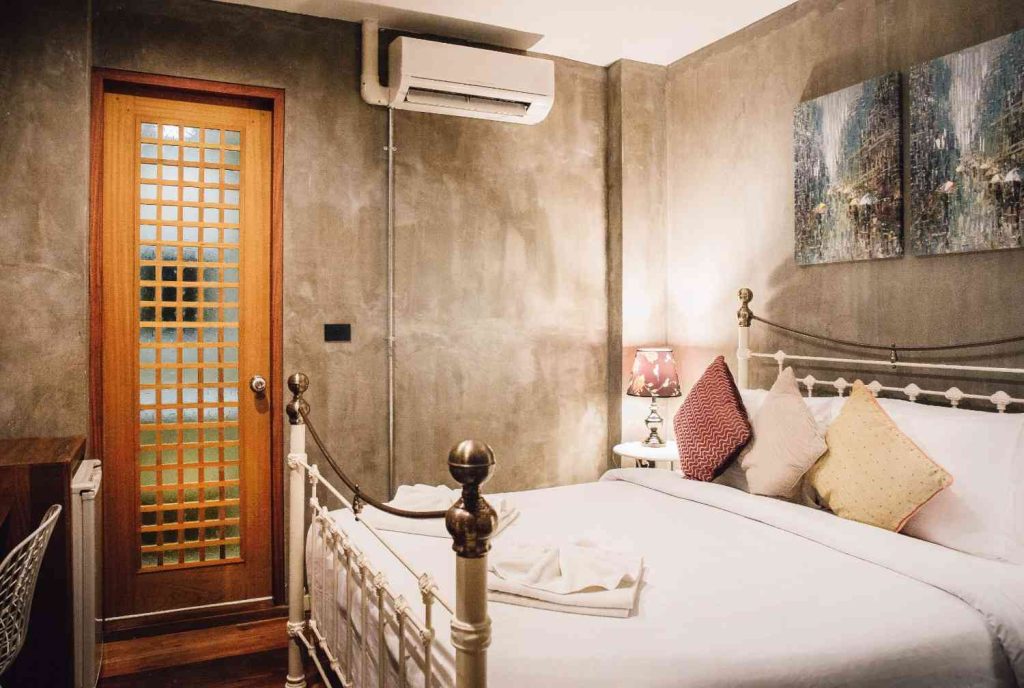
If renovating a Spanish Colonial home, focus your budget on restoring original elements: plaster walls, wood beams, tile work, and ironwork. These provide authentic character. Update around them with contemporary furnishings, new kitchen cabinets in simple styles, updated bathrooms, and contemporary lighting.
If working with non-Spanish architecture, add key elements selectively: an arched opening, wood beams, or Spanish tile in specific locations establishes the style without complete renovation.
Focus on high-impact changes. White or cream plaster-look paint creates an instant Spanish foundation. Keep existing dark wood elements or find affordable vintage pieces at estate sales. Use tile strategically; a hand-painted backsplash makes a big impact at a lower cost than tiling the entire floor.
Remember that 92% of homeowners face renovation challenges, with 33% struggling to find suitable contractors. Plan carefully and budget with a cushion for unexpected expenses.
The most common mistake is losing balance. Too many traditional elements (heavy carved furniture, wrought iron everywhere, saturated colors throughout) feel overdone. Too much minimalism strips away Spanish character. Finding the middle ground requires editing. Keep enough traditional elements to establish style while surrounding them with simpler contemporary pieces.
Spanish design works best in certain architectural contexts. Forcing it throughout incompatible architecture or small spaces feels inauthentic. But you can incorporate Spanish-inspired elements selectively (tile backsplashes, furniture, textiles) in many contexts.

Spanish design traditionally emphasizes indoor-outdoor flow. If you have outdoor space, use large doors or windows that open fully, similar materials inside and out, and complementary outdoor furniture. Without significant outdoor space, use plants generously indoors and emphasize natural light.
Modern Spanish interior design succeeds when it honors tradition without being trapped by it. The style creates spaces that feel warm and characterful while remaining functional for contemporary living.
Remember, you're not recreating a historical villa. You're taking what makes Spanish design compelling: natural materials, architectural character, handcrafted details, warm colors, and combining them with contemporary simplicity and restraint.
Start with architecture. Preserve Spanish features like beams, arches, or textured walls if you have them. If not, add one or two elements that provide a Spanish character. Surround these traditional features with clean-lined contemporary furniture, neutral colors, and simple accessories.
The balance adjusts by room. You can lean more traditional in some spaces and contemporary in others, using connecting elements to tie spaces together. You can add pieces gradually. Spanish modern design is rather forgiving and evolves over time.
Last and most important thing: get an expert interior designer on board who knows how to create a home that feels warm, inviting, and uniquely yours while drawing on centuries of Spanish heritage.
Spanish Colonial interior design refers to the traditional style from the 16th century onward, featuring ornate carved furniture, heavy use of dark woods, elaborate ironwork, and richly patterned textiles throughout. Modern Spanish interior design keeps the core architectural elements (arches, beams, textured walls), but simplifies the decorative components, uses a more neutral color palette with selective color accents, and incorporates contemporary furniture with clean lines.
How do I balance traditional Spanish warmth with contemporary minimalism?
Start by identifying your traditional "anchor" elements, perhaps exposed beams, an arched doorway, or terracotta tile floors. Give these features prominence and surround them with simpler contemporary elements. Use neutral colors (whites, creams) as your base, add contemporary furniture with clean lines, and incorporate traditional warmth through select pieces: a carved wooden table, hand-painted tile in one location, or vintage pottery. The key is restraint; don't try to include every traditional Spanish element. Choose a few that provide the most impact and let them shine against a calmer, more minimalist backdrop.
Natural materials form the foundation of authentic Spanish modern design. Wood (especially darker tones like walnut or mahogany) appears in beams, furniture, and sometimes flooring. Terracotta tiles provide characteristic earthy warmth on floors or as accents. Plaster or stucco creates textured wall surfaces. Iron or wrought iron shows up in light fixtures, hardware, and railings. Stone works well for countertops and fireplace surrounds, while clay pottery and woven natural-fiber textiles (cotton, linen, jute, wool) add finishing touches.
Yes, but it works best when you're selective rather than trying to force a complete Spanish transformation. You can add Spanish-inspired elements that complement your existing architecture: Spanish tile in a kitchen backsplash works, an arched mirror adds characte, terracotta floor tiles in an entry or mudroom, wrought iron light fixtures, Spanish pottery as accessories, or Spanish-style furniture pieces in an eclectic space. Choose elements that complement rather than contradict your home's existing architecture.