Wildlife-Friendly Garden Design: 8 Design Strategies
23 January, 2026
⚪
Johansson
Home > Blog > This Blog
Your garden can be more than a collection of pretty plants. It can serve as a vital refuge for local wildlife at a time when natural habitats are disappearing. According to the National Park Service, approximately 6,000 acres of pollinator habitat are lost daily in the U.S. to development.
A wildlife friendly garden provides food, water, shelter, and breeding sites for birds, pollinators, beneficial insects, and small mammals. Data shows wildlife gardening inquiries increased by more than 28% in 2025, reflecting growing awareness that our gardens can function as critical ecological infrastructure. These eight strategies will help you create a garden for wildlife that's both beautiful and functional.
Native plants form the backbone of successful wildlife garden design, creating relationships that non-native ornamentals can't replicate.
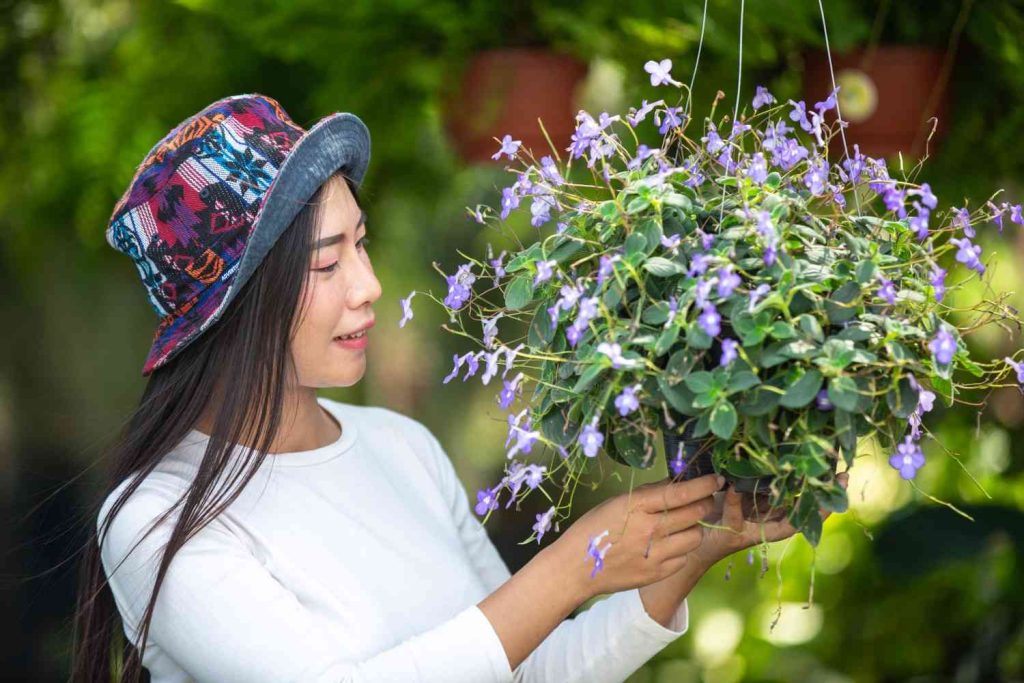
Native plants produce the pollen, nectar, seeds, and foliage that local wildlife depends on. The National Wildlife Federation found that landscapes with higher native plant concentrations support significantly more caterpillars, which feed baby birds. Oak trees support over 500 caterpillar species in North America, while most non-native ornamentals host only a handful.
Select species that flower, fruit, and seed throughout the year. Spring bloomers like serviceberry provide early nectar. Summer plants like coneflowers sustain pollinators. Fall-fruiting shrubs offer calories for migrating birds. Winter seed heads feed overwintering species.
Gardens with 50-70% native plants deliver substantial wildlife benefits while allowing room for ornamental non-natives. Start by replacing lawn areas with native groundcovers, wildflowers, and grasses.
Creating a wildlife habitat garden means thinking vertically. Natural ecosystems feature multiple vegetation layers, each providing different resources.
Natural landscapes have groundcovers, herbaceous plants, shrubs, understory trees, and canopy trees. Each hosts distinct wildlife communities. Replicate this with native groundcovers, perennials at varying heights, shrubs of different sizes, and trees if space allows.
Vertical diversity provides nesting options. Ground-nesters need low, dense cover. Shrub-nesters seek mid-level protection. Cavity-nesters require mature trees. According to This Old House, varied plant layers dramatically increase wildlife diversity.
Dense plantings offer more value than trimmed specimens. Let shrubs grow into thickets. These "imperfections" are what wildlife needs.

Water transforms a garden into a wildlife magnet. Every creature needs water for drinking, bathing, breeding, or cooling off.
Even a small water feature—as modest as a half-barrel—can support frogs, toads, dragonflies, and aquatic insects. Include shallow edges for birds. Gradually sloping sides allow amphibians easy access. Plant native aquatic species like sedges for cover.
For properties with drainage issues, consider managing water naturally in challenging areas by transforming problem zones into rain gardens.
Birds need water no more than 1-2 inches deep. Place flat stones in deeper basins for butterflies. Position water features near cover plants. Moving water attracts more attention; consider adding a small solar fountain.
Clean birdbaths every few days. In winter, use heaters to keep water accessible. During summer droughts, reliable water sources become critical. Moving water and frequent cleaning generally keep mosquitoes in check.
Food and water attract wildlife, but shelter keeps them there. Different species need cover for resting, hiding, raising young, and surviving harsh weather.
Dense evergreen shrubs provide year-round shelter. Native hollies, junipers, and rhododendrons create protected spaces. A Wildlife Trusts note that climbing plants like native honeysuckle transform bare fences into valuable habitat.
Nest boxes serve cavity-nesting birds. Bee hotels provide nesting sites for solitary native bees. Bat houses offer roosting spots for beneficial insect predators.
Standing dead trees provide foraging and nesting sites for woodpeckers. Fallen logs create habitat for salamanders and insects. Stack brush trimmings to create instant shelter for rabbits and overwintering butterflies.
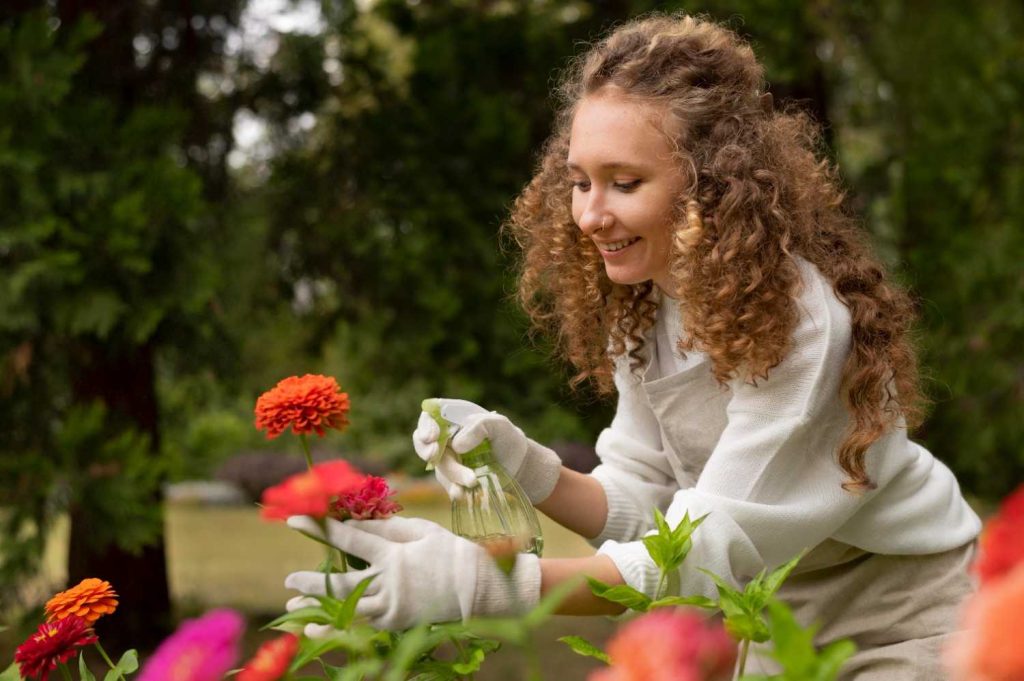
Manicured lawns offer virtually nothing to wildlife. Replacing turf with wild garden ideas increases habitat value while reducing maintenance.
Lawns require constant mowing, watering, and fertilizing while supporting minimal biodiversity. Garden Design reports that naturalistic planting design has emerged as a major trend. Start by replacing edge strips with native wildflowers. Convert slopes to native groundcovers.
Remove existing vegetation and weed roots. Native wildflowers prefer lean soils, so avoid compost. Choose seed mixes appropriate for your region. Perennial meadows take 2-3 years to establish, but then need only annual late-winter mowing.
Wild garden design embraces a looser aesthetic with drifts and clusters mimicking natural growth. Leave seed heads standing through winter for bird food. Allow plants to self-seed and migrate.
The USDA reports that one out of every three bites of food exists because of animal pollinators.
Native bees favor simple, open flowers like asters and sunflowers. Butterflies prefer flat-topped flowers like coneflowers. Hummingbirds seek tubular flowers like cardinal flower. According to Pollinator.org, 75-95% of flowering plants need pollination help.
Ensure something blooms throughout the growing season. Spring: serviceberry, redbud. Summer: coneflowers, milkweed. Fall: asters, goldenrod. This ensures pollinators always find food.
Adult butterflies need nectar, but caterpillars require specific host plants. Monarchs depend on milkweed. Swallowtails use native trees like tulip poplar. Tattered leaves are signs of a functioning ecosystem.
Chemical pesticides and herbicides harm the wildlife you're attracting. Work with natural processes instead.
Most "pests" are food for beneficial wildlife. Aphids feed ladybug larvae. Caterpillars feed baby birds. Hand-pick large pests. Use water jets for aphids. Encourage natural predators. Apply organic controls only to affected plants when necessary.
Composting creates nutrient-rich organic matter while providing habitat. Insects colonize it, birds hunt those insects, and small mammals burrow into it during cold weather.
Use locally sourced wood chips or shredded leaves. As these decompose, they feed soil organisms and create habitat. Leave some bare ground for ground-nesting bees and some leaf litter for overwintering insects.
Individual wildlife gardens provide valuable habitat, but their impact multiplies when they connect to form corridors through neighborhoods.
Wildlife needs to move between habitat patches to find food, water, mates, and new territories. Talk with neighbors about wildlife-friendly landscaping. Remove or modify fence barriers. Plant continuous hedgerows along property lines. These connections matter immensely for species ranging over larger territories.
Community-scale habitat has a far greater impact. Organize neighborhood workshops on wildlife gardening. Share plants and seeds. Create informal networks committed to supporting wildlife.
The National Wildlife Federation's Certified Wildlife Habitat program recognizes gardens providing food, water, cover, and places to raise young. Display the certification sign to inspire neighbors and demonstrate that wildlife-friendly landscaping can be both beautiful and functional.
Wildlife gardens require strategic timing rather than constant intervention.
Wait until late spring to clean up winter debris; beneficial insects overwinter in dead stems. Spring is the best planting time for natives. Clean birdbaths and nest boxes.
Keep water features clean and filled. Deadhead selectively, leave seed heads on species that feed birds. Some plant damage is normal and beneficial.

Don't cut everything back in the fall. Standing stems provide overwintering sites for insects. Seed heads feed birds. Wait until late winter to cut back growth. Continue providing fresh water with heaters to prevent freezing.
Designing a wildlife friendly garden represents more than an aesthetic choice; it's a practical response to habitat loss and ecosystem decline. Each of these eight strategies contributes to creating spaces where local wildlife can find the resources they need to survive and thrive.
The beauty of wild garden design is that it becomes easier over time. Native plants require less water and fertilizer. Self-seeding wildflowers fill gaps without replanting.
Natural pest control reduces chemical dependence. And the wildlife that arrives contributes to your garden's health through pollination and pest management.
Start with one bed. Replace a section of lawn. Add a birdbath. Each step increases your garden's value to wildlife while connecting your patch to the larger web of life.
As concepts from thoughtful public space design demonstrate, even modest green spaces deliver outsized benefits when designed with ecological function in mind. Your wildlife garden will evolve season by season, becoming more beautiful and beneficial as plants mature and wildlife populations discover your space.
Songbirds (cardinals, chickadees, warblers), hummingbirds, butterflies (monarchs, swallowtails), native bees, dragonflies, frogs, toads, and small mammals like chipmunks and rabbits. Specific species depend on your region.
Aim for 50-70% native plants to provide substantial wildlife benefits while allowing flexibility for ornamental non-natives.
No. Even balcony containers with native flowers can feed pollinators. The key is maximizing the habitat value of whatever space you have.
Build healthy soil through composting. Encourage natural predators. Accept some plant damage as evidence of a functioning ecosystem. Use targeted organic controls only when necessary.
Right now. While fall and spring are ideal for planting, you can begin implementing changes any time. Start small and build over time.