16 Easy to Implement Dog-Friendly Backyard Landscaping Ideas
5 February, 2026
⚪
Johansson
Home > Blog > This Blog
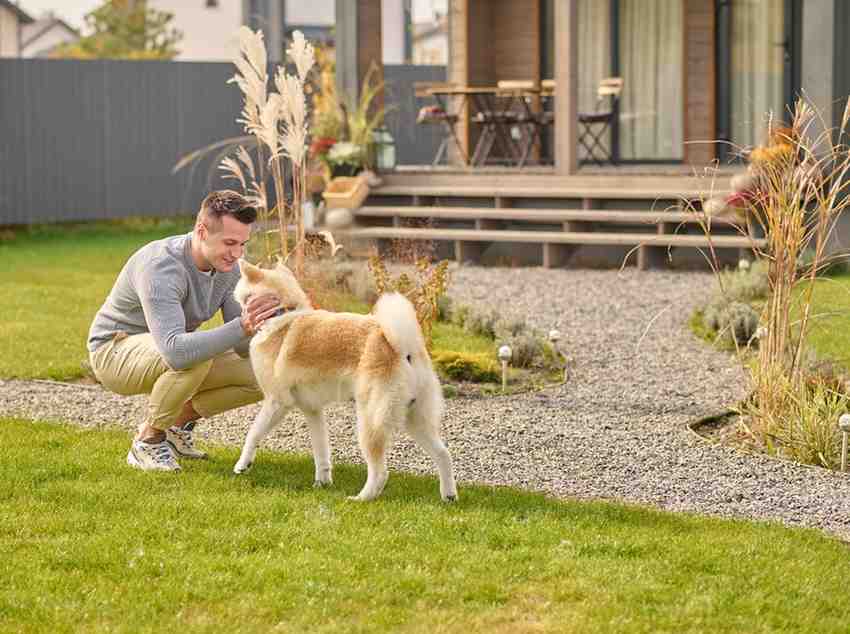
I've seen it happen to countless dog owners. You bring home that adorable puppy, full of energy and excitement, and within weeks, your pristine lawn looks like a battlefield. Brown spots are scattered everywhere from the urine. Muddy paw prints tracking through the house. Holes were dug in the flower beds. And that's when the frustration sets in.
The numbers tell us that 68 million U.S. households own dogs, representing 51% of all American homes. Yet most backyards aren't designed with pets in mind. We spend thousands on perfecting landscape design with delicate grass, ornamental plants, and pristine landscaping, only for our furry friends to go to town on it.
The good news? You don't have to choose between a dog-friendly backyard and an attractive outdoor space. I'm going to walk you through some practical, dog-friendly backyard ideas that work for both you and your furry friend. Some you can implement this weekend. Others might take a bit more planning. But all of them will help you create a dog-friendly backyard your pup can enjoy without a worry.
Before diving into specific solutions, let's understand what dogs actually need. Too many owners try to force pets into human-centric designs. Dogs think differently than we humans do. What you need to do is cater to their behaviors, and plan your outdoor space accordingly.
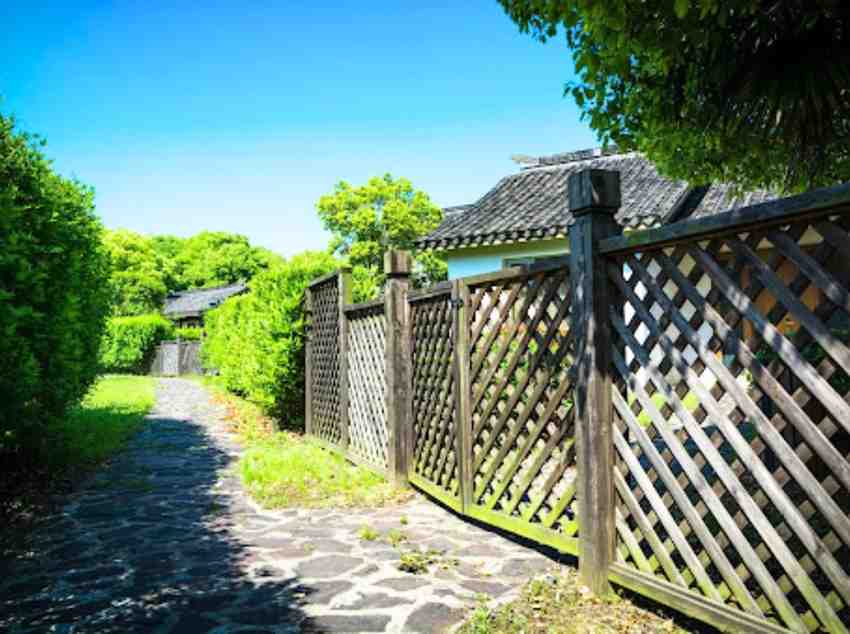
Dogs need secure boundaries. A fence (4 to 6 feet high, depending on breed) prevents escapes and provides freedom to roam. Beyond fencing, eliminate escape routes under gates, remove toxic plants, and ensure there are no sharp edges or hazards.
Terriers and dachshunds were bred to dig for prey. That instinct doesn't vanish because you want a nice lawn. Dogs need designated areas where natural behaviors are allowed: digging pits, patrol paths, and open running space. Providing appropriate outlets dramatically reduces destructive behavior elsewhere.
Dogs overheat faster than humans. Hard surfaces like concrete can become dangerously hot, burning sensitive paw pads. Shade from trees, pergolas, or dog houses is essential, paired with accessible fresh water.
Let's address the elephant in the room: traditional grass lawns and dogs don't mix well. Grass requires constant watering, fertilizing, and maintenance. Then your dog urinates on it, creating those telltale brown spots. The high nitrogen content in dog urine essentially burns the grass. You either spend your time rinsing every spot immediately after your dog goes, or you accept a patchy, damaged lawn. How do you solve this problem? Simple, find grass alternatives for your lawn.
Having a backyard with no grass has become increasingly popular as homeowners realize that grassless yards require less maintenance, use less water, and stand up better to pet traffic. These lawn alternatives for dogs range from artificial turf to living ground covers, and make life a lot easier for pet owners.
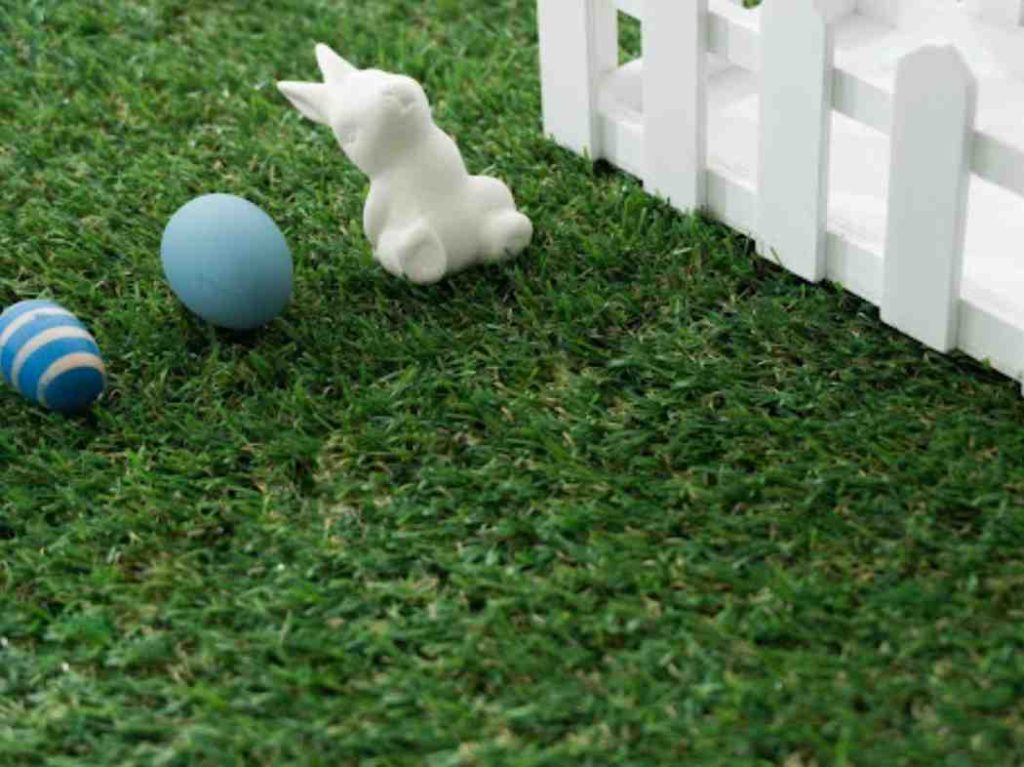
Artificial turf designed specifically for pets solves many problems at once. Being one of the most popular dog friendly grass alternatives, modern pet turf systems withstand heavy traffic without developing bare patches or brown spots. They drain quickly to prevent muddy conditions. And they stay green year-round without mowing, watering, or fertilizing.
The upfront cost runs around $2,700 or more, depending on your yard size and the turf quality you choose. But factor in years of saved water bills, fertilizer costs, and lawn care time, and the investment becomes more reasonable.
The key is proper installation with adequate drainage and antimicrobial infill to control odors. You'll still need to rinse the turf occasionally to remove urine residue, but maintenance is minimal compared to natural grass.
Dog-friendly ground covers grow low, spread horizontally, and tolerate foot traffic better than grass. Silver carpet, creeping thyme, and Irish moss are non-toxic options. Creeping thyme releases a pleasant scent when stepped on and produces purple flowers. Irish moss suits areas with regular rainfall.
These grow slower than grass, taking months to establish. Plant between stepping stones for added durability.
Mulch is simple and affordable. It drains quickly, prevents mud, and stays soft on paws. Dog urine won't ruin it like grass.
Avoid cocoa mulch, which is toxic if ingested. Cedar and standard wood chips work well, with cedar naturally repelling fleas and ticks. Some dogs eat mulch, which can cause digestive issues. In most cases, though, these dog friendly mulch alternatives are practical and budget-friendly options for pet owners.
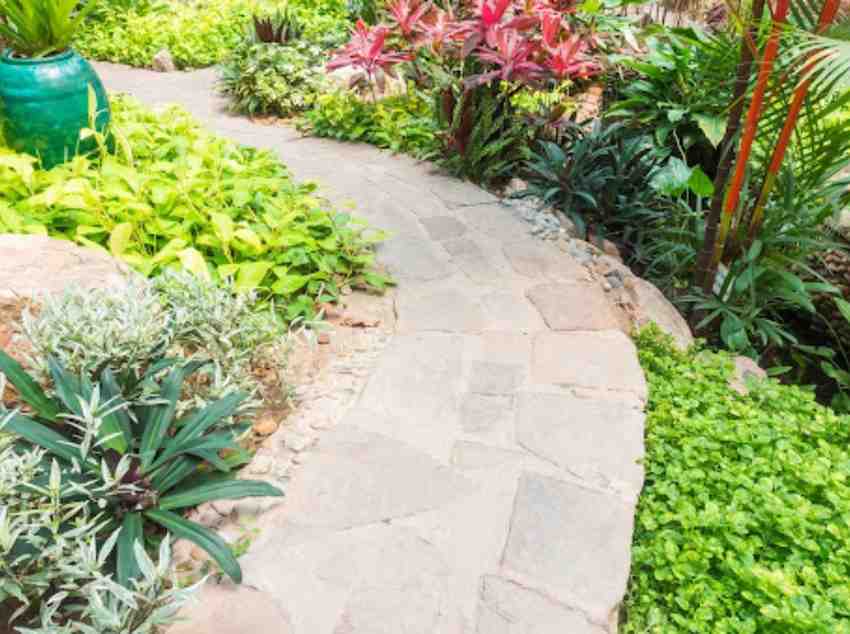
Gravel and stones create durable pathways that withstand heavy traffic. They're useful along fence lines where dogs patrol.
Choose a stone size based on your dog's paws. Tiny pea gravel gets wedged between paw pads on larger dogs. Smooth river rocks work better for bigger breeds. Light-colored stones prevent heat absorption that could burn paws.
Be it a designated part of the lawn where you can let the dog run without worry, or a beautiful dog house that serves as a safe haven for the furry creatures, creating such dog zones can make your backyard more fun for them. Section off specific zones and play areas for your dog's needs rather than making the entire yard dual-purpose.
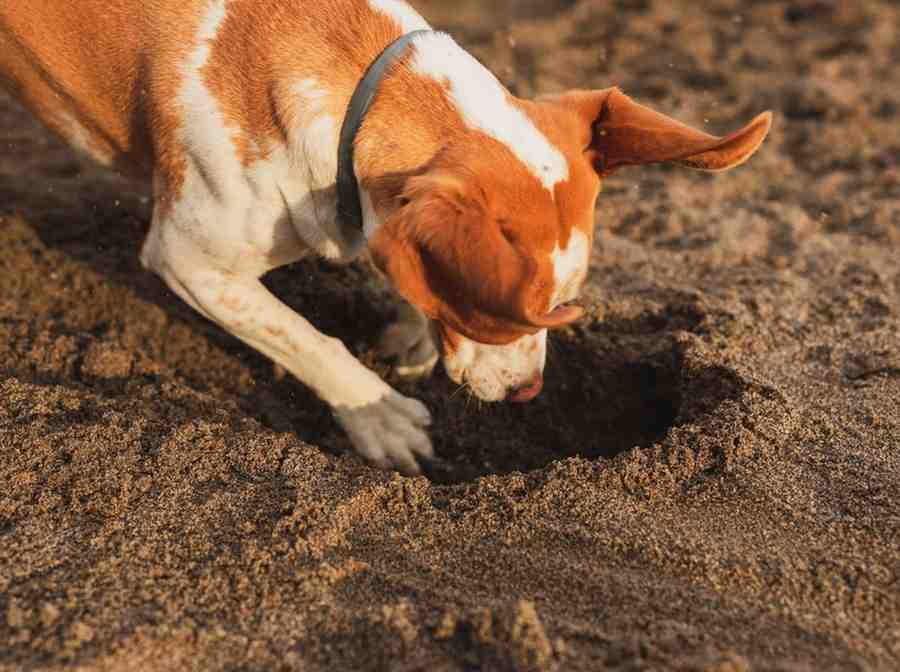
Learning how to make a dog area in your backyard starts with understanding your dog's natural behaviors. If your dog digs the whole day, give them a designated area to do so. As one of the most effective, cheap no grass backyard ideas for dogs, a sandbox can be purchased for under $200. You can also dig a shallow pit and fill it with sand. Choose accessible areas away from plants or fencing.
Bury toys, treats, or chews in the sand. Guide your dog there and reward digging behavior. Most dogs learn this is their zone within a few sessions.
Training your dog to urinate in one designated area protects the rest of your yard from damage. It doesn't need to be large. Even a small corner works.
Mark off the space with landscaping fabric underneath to prevent weeds. Add a border to contain the materials. Then fill it with mulch, gravel, or artificial turf. Some owners install a marking post (a tree stump, fake fire hydrant, or decorative statue) to encourage male dogs to use the area.
Place the potty area in a convenient location. You want it accessible during bad weather but not too close to your outdoor living spaces. Corners of the yard often work well when you need proper drainage solutions to prevent standing water and odors.
Dogs instinctively patrol their territory. Even if they're just chasing away squirrels, they'll run the same routes repeatedly, wearing down grass and creating muddy paths.
Instead of fighting this behavior, design for it. Use your chosen ground cover material (mulch, gravel, stepping stones) to create defined paths along your fence line. Make sure the path has gentle curves rather than sharp angles because running dogs will cut corners anyway.
This simple change transforms a frustrating problem into an intentional design element. Your dog gets to fulfill their patrol instincts, and your yard looks planned rather than damaged.
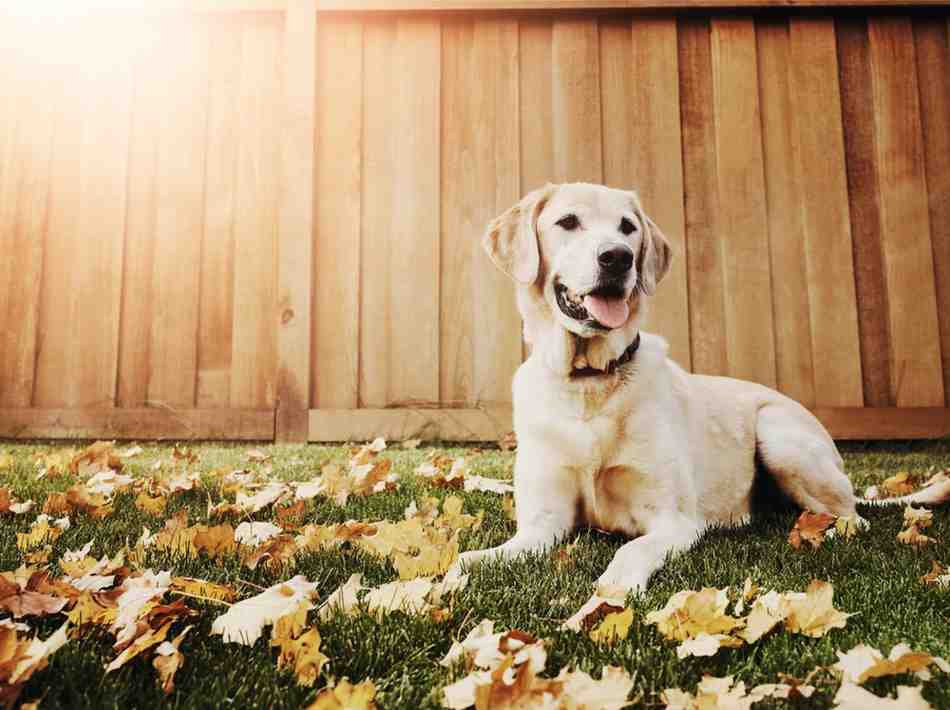
Plant selection can literally be a matter of life and death for your dog. Over 8% of ASPCA Poison Control calls relate to ingesting plants that are toxic to dogs. That makes it the sixth most common pet toxin.
Sunflowers, petunias, snapdragons, marigolds, and zinnias are safe for dogs and add color to borders. For shrubs, consider viburnum, camellia, bottle brush, and forsythia. Raised flower beds or protective fencing keep dogs from delicate plantings while maintaining beautiful landscaping.
Some common garden plants are extremely dangerous to dogs. Azaleas and rhododendrons can cause serious issues from just a few leaves, including vomiting, diarrhea, paralysis, and even death. Sago palms are absolutely not safe for your dogs. Every part is poisonous, especially the seeds, and ingestion can cause acute liver failure.
Other common culprits include tulip and daffodil bulbs (the underground bulbs contain the highest toxin concentration), lily of the valley, foxglove, and ivy. The ASPCA maintains a comprehensive database of toxic and non-toxic plants that's worth bookmarking.
If you're buying a house with established landscaping, walk the property and identify any dangerous plants. Remove them before letting your dog explore freely. It's not worth the risk.
Rosemary, marigolds, sage, lavender, and chamomile naturally deter fleas, ticks, and mosquitoes. Plant these around your yard perimeter or near areas where your dog lounges most.
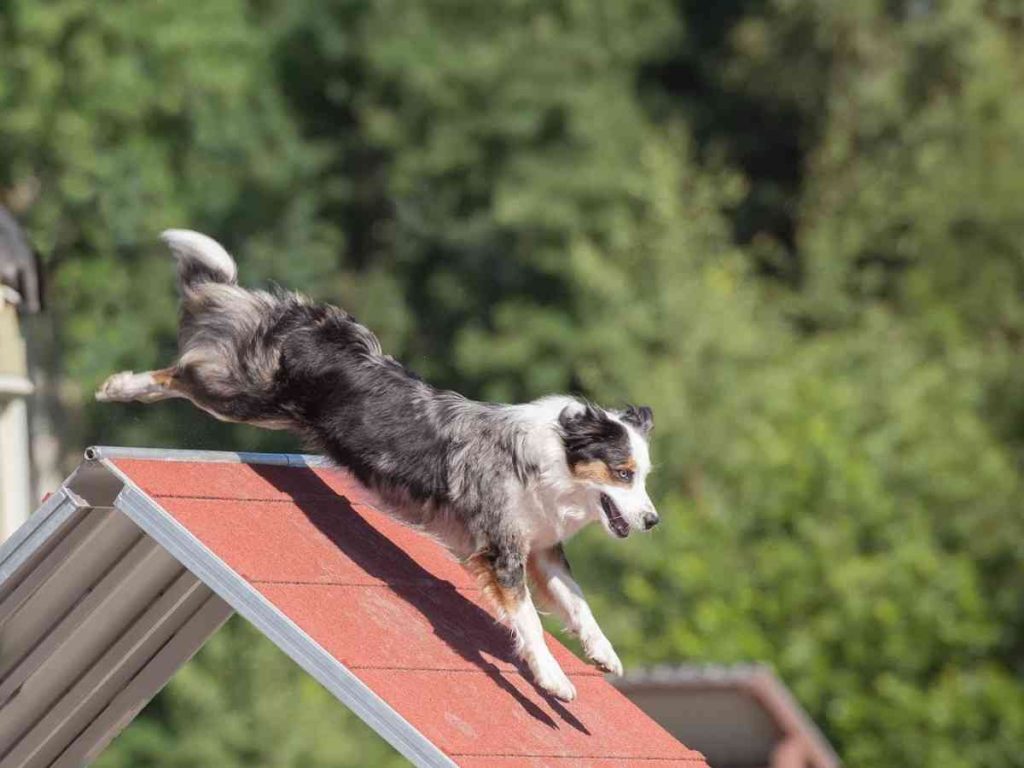
A bored dog is a destructive dog. When you provide appropriate entertainment, problem behaviors often disappear. These dog friendly backyard ideas on a budget prove you don't need to spend a fortune to solve these problems.
Building basic agility equipment is surprisingly simple. Balance beams and ramps require just a few 2x4s and basic lumber. PVC pipe makes excellent bar jumps. You can purchase dog tunnels online for around $40.
These elements keep energetic dogs physically and mentally engaged. Even if you're not training for competition, most dogs love the challenge of navigating obstacles. Set up the course in a dedicated area of your yard, and rotate the equipment occasionally to keep things interesting.
On hot days, water features provide both entertainment and cooling relief. For the most budget-friendly option, a hard plastic kiddie pool costs about $20. Get hard plastic, not inflatable. Dog claws will shred inflatable pools within minutes.
For a more permanent solution, set the pool a few inches into the ground for stability. Larger dogs can drag lightweight pools across the yard otherwise. Some owners install small fountains or shallow ponds with smooth stone edges that dogs can run through and drink from safely.
Interactive feeding solutions provide mental stimulation and slow down fast eaters, reducing digestive issues and boredom-related behaviors.
Wall-mounted treat dispensers made from PVC pipe or hollow toys attached to fencing encourage dogs to work for their rewards. Snuffle mats or scatter feeding throughout the yard taps into natural foraging instincts. DIY puzzle feeders using upside-down flower pots or muffin tins with tennis balls covering treats create engaging challenges.
Frozen treats in silicone molds provide relief on warm days. Freeze peanut butter, yogurt, or broth in ice cube trays for simple, refreshing snacks your dog will love.
Trust me when I say this: Any dog friendly backyard is incomplete without these key elements, which ensure the safety and comfort of your pup. Let’s see how you can bring these elements into your own backyard.
For most dog owners, fencing is essential. It provides freedom for your dog to roam without constant supervision while preventing escapes or unwanted visitors.
Permanent fencing options range from wood to vinyl to chain-link. The key considerations are height (to prevent jumping), dig-proof installation (buried wire or concrete footer to prevent tunneling under), and durability against scratching and chewing.
If you're not ready for permanent fencing, portable options exist. Designated portable fences fold and unfold wherever needed, functioning like large playpens. For small to medium dogs, basic chicken wire creates temporary boundaries while you test different configurations before building permanent structures.
Shade is critical for preventing heatstroke in dogs. Concrete, brick, and asphalt can become dangerously hot under the summer sun. If it's too hot for bare feet, it's too hot for paws.
Natural shade from tall trees is ideal but takes years to establish. Quicker solutions include pergolas, shade sails, or covered dog houses positioned in areas where your dog lounges. Add outdoor cushions or elevated beds in shaded spots for comfortable resting areas.
Always provide multiple sources of fresh, cool water. Automatic water bowls or pet fountains ensure your dog stays hydrated even when you're not constantly there.
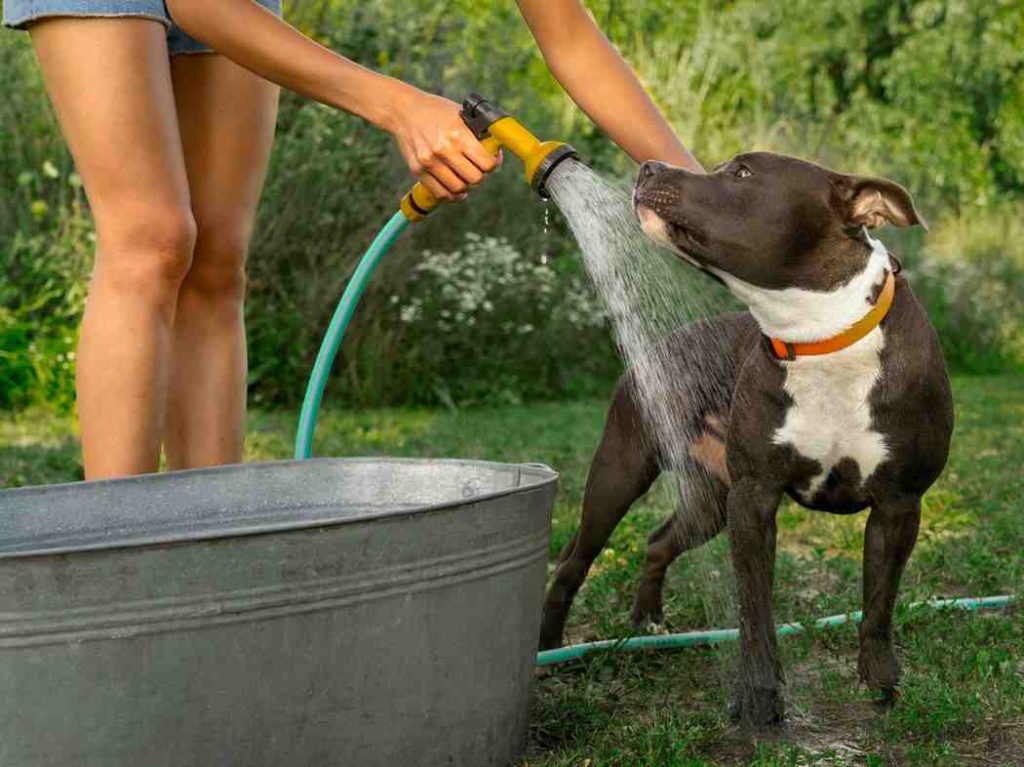
A simple outdoor paw-washing station near your door prevents muddy paw prints throughout your house. This can be as basic as a shallow basin with a hose connection or as elaborate as a raised washing station with drainage.
Keep towels nearby for quick drying. Train your dog to pause at the station before entering the house. This small addition saves countless hours of floor cleaning and keeps your indoor spaces cleaner.
Even the best-designed dog-friendly yard requires some maintenance. Here's how you can keep yours aesthetic and functional.
Regular waste removal is obvious but crucial. Solid waste should be picked up daily. For urine odors, especially on artificial turf or gravel, rinse the area weekly with a hose. Enzymatic cleaners designed for pet odors work better than bleach or ammonia-based products.
For artificial turf, specialized deodorizers and antimicrobial infills help control odors between rinses. Natural areas with proper drainage typically don't develop odor problems if waste is removed promptly.
Spring requires checking fencing and refreshing mulch. Summer demands attention to water and shade. Fall means removing toxic fallen leaves or nuts from black walnut trees. Winter requires pet-safe ice melt products rather than standard salt.
Ground covers like mulch need refreshing every year or two as they decompose and fade. Artificial turf typically lasts 10-15 years with proper maintenance. Natural ground covers may need periodic filling in where traffic has thinned them.
Fencing should be inspected seasonally for damage. Small repairs are easy and inexpensive. Waiting until fencing fails completely risks your dog's safety and usually costs more to fix.
If you're planning a major overhaul or dealing with complex drainage issues, backyard landscape planning can save you money in the long run by getting the design right the first time.
Of course, you don’t need to implement all these ideas at once. Go slow and start with the fundamentals: secure fencing, create a safe planting area, and provide adequate shade and water. Then, you can add the elements I proposed based on your dogs’ needs and your budget.
Got a terrier who loves to dig? Prioritize that sandbox. A water-loving Labrador would shed happy tears at the sight of a splash pool, while a high-energy breed like Belgian Malinois can be kept engaged with an agility course.
Your yard doesn't have to look like a dog park to be dog-friendly. With the right materials, strategic zoning, and some creative problem-solving, you can have attractive landscaping and a happy dog. They're not mutually exclusive. You just need to approach the design differently than you would for a purely aesthetic space. My point is: design a thoughtful outdoor space that both your family and your pets can enjoy.
Start with one or two simple changes this weekend and work your way towards the more difficult ones. Don’t want the hassle at all? Get in touch with our team of experts at Johansson Design, and let us turn your backyard into a dog heaven.