What Defines Mediterranean Design? A Modern, Practical Guide
8 February, 2026
⚪
Johansson
Home > Blog > This Blog
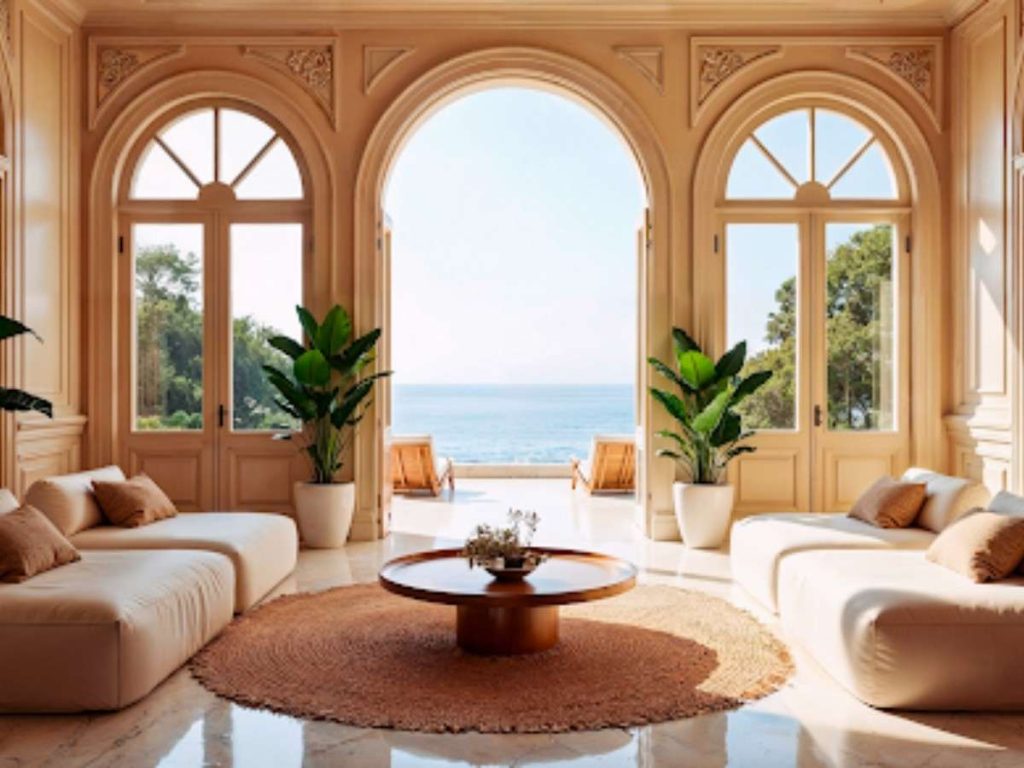
There's a reason Mediterranean design style has seen a 272% surge in interest this past year. It strikes a balance most interior trends can't achieve: warmth without heaviness, elegance without fuss, and relaxation without sacrificing sophistication.
Mediterranean interiors draw from the sun-drenched coasts of Spain, Italy, Greece, and Southern France, regions where homes evolved around natural light, outdoor living, and materials pulled straight from the landscape. The modern interpretation keeps these foundations but strips away ornate excess in favor of clean lines.
This guide covers the core elements of Mediterranean design style: color palettes, essential materials, furniture selection, living room ideas, and architectural features. Whether you're renovating a coastal property or bringing seaside calm to a city apartment, these principles translate across spaces and budgets.
Mediterranean design is rooted in practicality. The homes along Southern Europe's coastlines weren't designed to follow trends. They were built to manage heat, maximize airflow, and make daily life comfortable. Thick walls kept interiors cool. Courtyards created shaded gathering spaces. Large windows captured sea breezes and flooded rooms with natural light.
With the global interior design market valued at $136.12 billion, Mediterranean style has carved out a significant share.
Its appeal crosses demographics because the underlying principles work almost anywhere: connection to nature, honest materials, and spaces designed for living rather than just looking.
The style borrows from centuries of tradition across multiple cultures:
What ties these influences together is a shared philosophy: homes should feel grounded, welcoming, and connected to their surroundings.
Traditional Mediterranean interiors lean toward ornate details. Heavy wooden furniture, elaborate wrought iron fixtures, and richly patterned textiles define the classic look. These spaces feel grand and historic, but they can also feel dated in contemporary homes.
Modern Mediterranean design keeps the warmth but simplifies the execution. Clean lines replace excessive ornamentation. Neutral palettes serve as the foundation, with color used sparingly. Furniture tends toward organic shapes with plush, comfortable proportions.
Think of it this way: traditional Mediterranean is the villa your grandparents might have visited on holiday. Modern Mediterranean is how you'd renovate that villa today while respecting its character.

The living room is where Mediterranean design principles come together most visibly. It's typically the largest shared space, and it sets the tone for everything else.
Mediterranean furniture prioritizes comfort without sacrificing visual appeal. Look for sofas and armchairs with generous proportions, plush cushions, and natural fabrics like linen or cotton.
The modern Mediterranean approach blends traditional elements with contemporary forms.
A rustic wooden coffee table might sit beside a sleek, curved sofa. An antique ceramic lamp could share a side table with a minimalist sculptural object. This mixing creates rooms that feel collected over time rather than decorated all at once.
For Mediterranean interior design living room layouts, arrange seating to encourage conversation. Two sofas facing each other, or a sofa paired with armchairs angled toward each other, creates natural gathering spots.
Tile isn't limited to floors and backsplashes. In living rooms, consider a tiled fireplace surround or a decorative tile accent behind built-in shelving.
For contemporary modern Mediterranean interior design, geometric patterns work particularly well. They reference the Moorish influence while feeling current. Stick to a limited color palette within the tile pattern to keep the look cohesive.
Perhaps no element defines Mediterranean design more than the connection between indoor and outdoor spaces. In traditional homes, courtyards and covered terraces functioned as extensions of the interior.
For modern Mediterranean home interior layouts, prioritize this flow wherever possible. Large doors that open fully onto a patio create seamless transitions. If your living room has outdoor access, consider using similar flooring materials inside and out.
Even without direct outdoor access, you can reference this principle. Large windows that frame garden views, potted plants that bring greenery indoors, and professional landscape design visible from interior spaces all strengthen the indoor-outdoor relationship.

Color does heavy lifting in Mediterranean interiors. The right palette creates warmth and visual interest without relying on busy patterns or excessive decoration.
The foundation starts with earth tones. Warm whites, sandy beiges, soft terracotta, and muted ochre create a backdrop that feels sun-soaked and inviting. These colors reference the natural landscape: limestone cliffs, sandy beaches, sun-bleached stucco, and clay rooftops.
I recommend starting with walls in warm white or cream rather than stark, cool white. The difference is subtle but significant. Warm whites feel lived-in and welcoming. Cool whites can make a space feel clinical.
For accent walls or architectural features, consider deeper earth tones like sienna, burnt orange, or olive green.
Blue is the signature accent color in Mediterranean design. It references the sea and sky that define the region's landscape. Choose cerulean, azure, soft teal, and deep navy rather than bright primary blue.
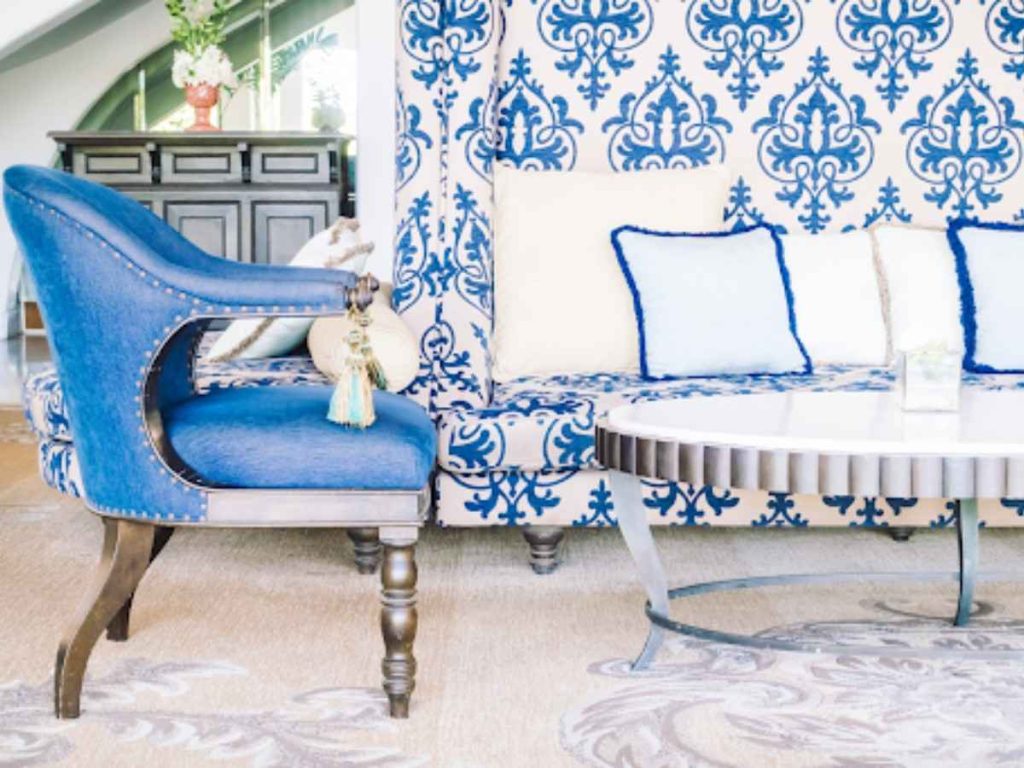
Use blue strategically. A few well-placed accents create impact. Throw pillows, ceramic vases, patterned tiles in a backsplash, or a single upholstered armchair work well. You want the eye to move naturally through the space, landing on blue accents as pleasant surprises.
Other accent colors that work include sage green, dusty rose, and warm yellows reminiscent of lemons and sunflowers.
The rule: if you could find the color in the Mediterranean landscape, it probably belongs in the interior.
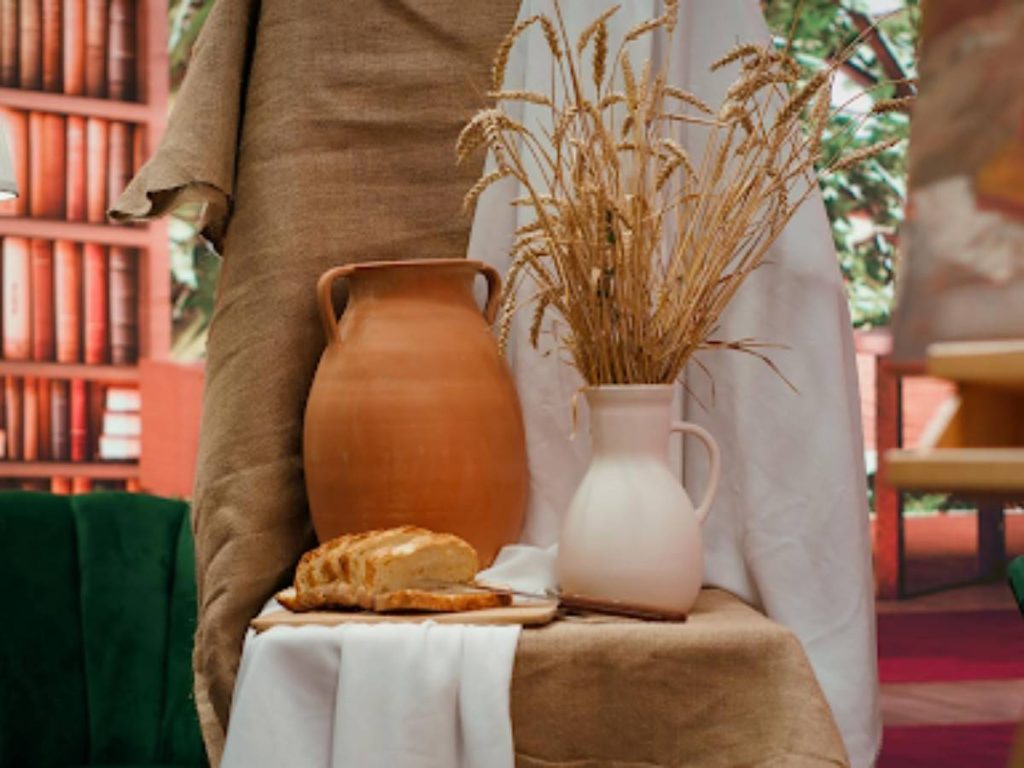
Texture separates Mediterranean design from other warm, neutral aesthetics. Without it, you'd just have a beige room. With it, you have depth and that tactile quality that makes a space genuinely inviting.
Stone and terracotta floors are foundational to Mediterranean interiors. They're practical for warm climates since they stay cool underfoot, and they develop character over time.
Terracotta tiles, limestone, and natural stone flooring are historically accurate choices that work beautifully in modern contexts.
For a contemporary take, consider large-format stone tiles in muted tones. They read as clean and current while maintaining that connection to natural materials.
Decorative tile patterns work well in smaller applications:
Exposed wooden ceiling beams are practically synonymous with Mediterranean architecture. They add warmth overhead and create visual interest in rooms with high ceilings.
If your home has existing beams, consider leaving them exposed or refinishing them in a warm, natural stain.
Beyond ceilings, wood appears throughout Mediterranean interiors in furniture, doors, window shutters, and decorative accents. Look for pieces with visible grain and natural imperfections. Overly polished wood doesn't fit the aesthetic.
Mediterranean design values craftsmanship. Handmade ceramics, woven textiles, and artisan metalwork add layers of interest that mass-produced items can't replicate.
Incorporate pottery in functional pieces like serving bowls, vases, or decorative plates displayed on walls. Woven baskets work for storage and decoration. Wrought iron appears in light fixtures, railings, and door hardware.
Certain architectural elements immediately signal Mediterranean design. Some are structural and require significant renovation. Others can be incorporated more easily into existing spaces.
Arched doorways and windows are signature features of contemporary Mediterranean architecture. The curved forms soften what might otherwise feel boxy, and they reference the Roman engineering that influenced the region's building traditions.
For existing homes, consider arched mirrors, built-in shelving with arched tops, or furniture pieces that incorporate curved forms. These elements echo the architecture without requiring structural changes.
Ceiling beams draw the eye upward and add visual weight to ceilings that might otherwise feel plain. In rooms with standard ceiling heights, beams can make the space feel more intimate. In rooms with vaulted ceilings, they provide scale and help the space feel human-sized.
The wood tone matters. Warm, honey-toned woods feel traditional. Darker stains or reclaimed wood with gray undertones work for more contemporary interpretations of modern Mediterranean style.
Mediterranean homes are designed around light. Large windows, interior courtyards, and light-colored walls all capture and reflect daylight throughout the interior.
If you're working with a home that lacks natural light, there are strategies to compensate. Mirrors placed opposite windows amplify available light. Light, warm wall colors reflect rather than absorb. Sheer curtains filter light softly.
For window treatments, avoid heavy drapes in dark colors. Linen panels, Roman shades in natural materials, or simple wooden shutters all fit the aesthetic while allowing light to flow.
You don't need to live on the coast or own a villa to incorporate Mediterranean design principles. The style adapts well to various home types and budgets.
Contemporary Mediterranean interior design shares DNA with coastal and bohemian styles. All three emphasize natural materials, relaxed atmospheres, and connections to the outdoors. This overlap means you can borrow elements freely.
Rattan furniture, woven jute rugs, and driftwood accessories all complement Mediterranean interiors. The key is maintaining warmth and groundedness rather than tipping toward cooler Scandinavian-influenced coastal looks.
If you're working with challenging spaces, functional outdoor design solutions can help extend your living areas and reinforce that indoor-outdoor connection central to Mediterranean style.
Mediterranean design works best when it flows consistently through a home. This doesn't mean every room looks identical, but the palette, materials, and overall sensibility should connect.
Start with your flooring choice, as it's the most continuous element. Then establish a wall color that works throughout common areas. From there, individual rooms can have distinct personalities while still feeling unified.
With residential applications leading with 55.36% of the interior design services market share, professional support is readily available if you need guidance. A design consultation can help develop a cohesive plan before making significant investments.
Mediterranean design endures because it's built on principles that never go out of style: comfort, natural beauty, and spaces designed for actual living. The modern interpretation strips away fussiness while keeping everything that makes the style appealing.
Start with the basics: warm colors, honest materials, and furniture that invites you to sit down and stay. Layer in texture, add touches of blue, and look for opportunities to connect your interior spaces with the outdoors.
The most successful Mediterranean interiors don't look like they're trying too hard. They feel effortless, collected, and genuinely welcoming.
If you're considering a larger project involving both interior and exterior spaces, working with a design professional can help ensure everything works together cohesively. The best Mediterranean homes feel like a single, harmonious environment from the front door through the garden.
Traditional Mediterranean design features ornate details, heavy wooden furniture, and richly patterned textiles. Modern Mediterranean simplifies these elements, emphasizing clean lines, neutral palettes with strategic color accents, and organic furniture shapes. Both share foundational principles: natural materials, warm colors, and an indoor-outdoor connection.
The Mediterranean palette centers on warm earth tones:
Accent colors include coastal blues (azure, cerulean, navy), sage green, dusty rose, and warm yellows. Choose colors you could find in the Mediterranean landscape.
Focus on fundamentals: warm wall colors, natural materials in flooring and furniture, and strategic blue accents. Use mirrors to amplify light and create openness. Choose furniture with clean lines. A few well-chosen artisan pieces add character without clutter.
Natural stone, terracotta tile, exposed wood, handcrafted ceramics, wrought iron, and natural textiles like linen and cotton are essential. These materials age gracefully and create the tactile warmth that defines Mediterranean spaces.
Absolutely. The emphasis on warm colors, natural textures, and cozy furniture translates well to any climate. In colder regions, add heavier textiles like wool throws and ensure adequate layered lighting to compensate for shorter daylight hours.