Questions To Ask Before You Hire a Landscape Designer & How to Choose the Right Expert
31 January, 2026
⚪
Johansson
Home > Blog > This Blog
When you hire a landscape designer, you're making an investment that returns 15% in added property value, especially if you hire a professional landscape designer with a solid reputation.
Finding the right professional landscape design expert means knowing where to look, what credentials matter, realistic costs, and whether you need a designer or a landscape architect.
This guide covers the complete process, from finding landscape designers near you to evaluating qualifications, understanding costs, and navigating the design workflow.
Before you commit to any professional landscape design expert, get clear answers to these essential questions:
Credentials & Experience
Process & Timeline
Cost & Payment
Project Management
Landscape designers analyze your property's topography, soil, drainage, and sun exposure. They integrate softscaping (plants, trees) with hardscaping (patios, walkways, retaining walls).
According to professional landscape designers, they create environmentally conscious spaces with native plants that support water conservation and biodiversity.
What do landscape designers do beyond plant selection?
They develop detailed plans showing placement, materials, and construction specs.
They consider functionality, foot traffic patterns, privacy needs, and seasonal changes.
This systematic approach is valuable for designing cohesive outdoor living spaces that integrate multiple functional areas.
Before you hire a landscape designer, clarify your goals and consider creating a comprehensive plan for your project. Complete yard redesign? Specific areas like outdoor kitchen designs? Patio installation? List must-haves versus nice-to-haves for accurate estimates and clear communication.
Be upfront about the budget so designers can recommend realistic solutions. If your vision exceeds budget, professionals suggest phased approaches or cost-effective alternatives.
Design-only professionals create plans you implement with your chosen contractor. Lower upfront costs and contractor flexibility, but you manage the build phase yourself.
Design-build firms handle design and installation. Seamless execution with fewer miscommunications, but potentially higher costs and less flexibility in choosing installation teams.
Admire a neighbor's yard? Ask who designed it.
Real estate agents, builders, and architects regularly work with landscape contractors and designers and provide trusted referrals.
Join local gardening clubs or neighborhood groups for candid feedback about hiring landscape designers and specific professionals.
Check APLD and the American Society of Landscape Architects (ASLA) directories. State licensing boards maintain databases of licensed professionals, making it easier for you to verify credentials when looking to hire.
The U.S. landscape design industry includes 46,699 businesses generating $9.3 billion annually, plenty of options to compare when looking to hire one.
Landscape architects need state licenses; landscape designers face fewer requirements. Professional certifications like CPLD signal serious commitment.
Verify general liability and workers' compensation insurance. Request certificates before signing contracts; this protects you from injury liability or property damage.
Education matters. Many have degrees in horticulture or landscape architecture; others gain expertise through apprenticeships. Both paths work; proven track records count most.
Review past projects to assess style, capabilities, and experience with similar scopes. Look for quality consistency across project types and attention to detail.
Ask to see mature projects from several years ago. Landscapes change over time; designers who plan for long-term success create spaces that improve with age, particularly for low-maintenance landscape strategies.
Residential garden specialists may not excel at commercial landscape projects.
Ask: "How many projects like mine have you completed?"
Relevant experience prevents costly learning curves on your dime.
Regional knowledge matters. Designers familiar with local climate, soil, and native plants create more successful landscapes. They understand building codes, permits, and seasonal factors.
Initial consultations reveal communication quality, which is crucial for developing an effective maintenance plan. Do they listen or push their vision? Do they ask thoughtful questions about your space usage?
Most designers follow similar workflows: site analysis, concept design, client feedback, detailed plans, revisions, and incorporating irrigation systems where necessary. Ask how many revisions their fee includes and their typical response time.
Three common pricing structures when you hire a landscape designer:
Initial consultations run $100-$200, often credited toward projects.
According to industry data, homeowners pay $1,960-$7,220 for design services, averaging $4,590. These are design-only fees; materials and installation cost extra.
Complexity drives pricing. Simple planting plans cost far less than complete transformations with patios, outdoor kitchens, and water features.
Some designers charge $5-$45 per square foot based on scope.
Design-build firms often deduct design fees from installation costs. Metropolitan areas charge more than rural regions.
Professional design increases property value by 15%. Good design prevents expensive DIY mistakes.
Hidden costs of errors: trees damaging foundations, poor drainage causing flooding, and inappropriate materials needing premature replacement. Landscape design experts specify suitable plants, plan functional drainage, and select durable materials.
Is it worth hiring a landscape designer for every project?
Minor updates may not need professional help. For significant investments, especially hardscaping, grading, or complex plantings, professional design justifies the cost through mistake prevention and time savings.
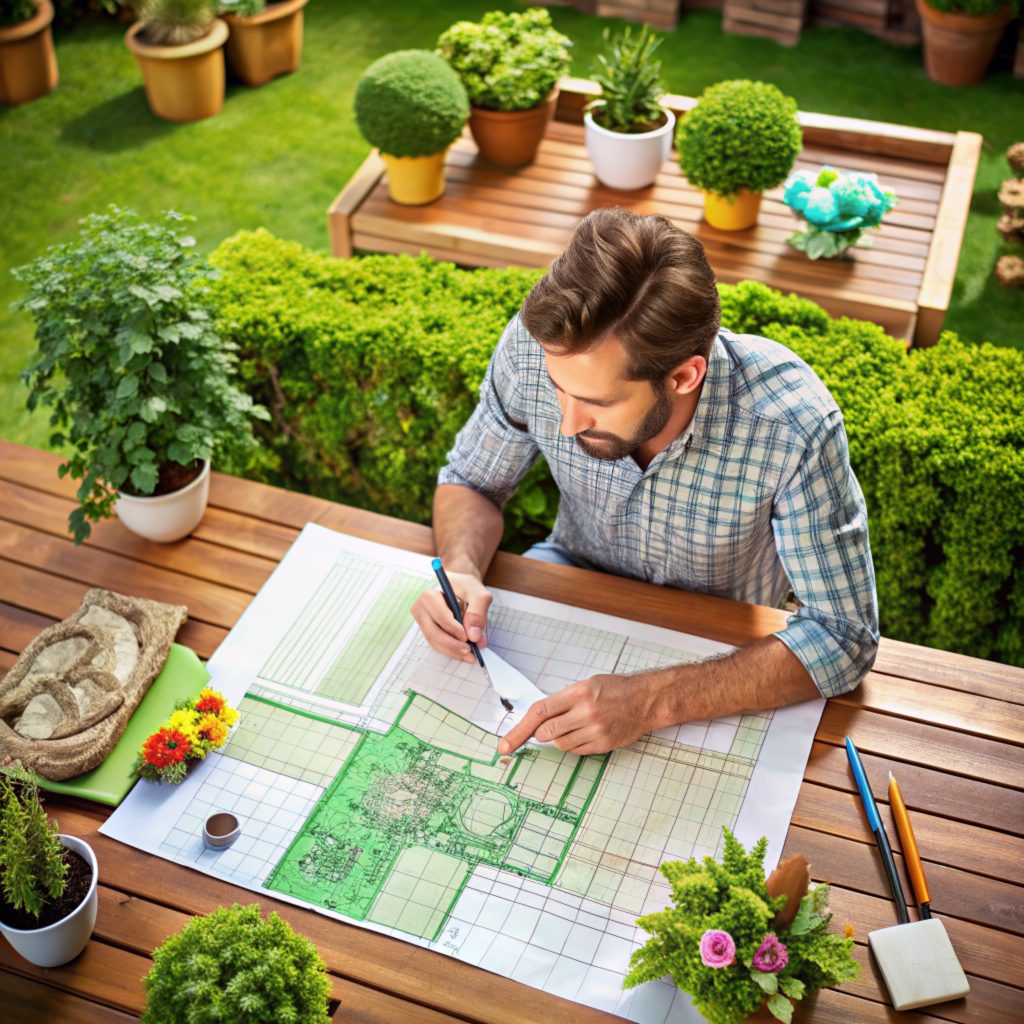
On-site consultations start the process. Designers evaluate property, take measurements, photograph conditions, and discuss vision. They ask about lifestyle, entertaining, kids, pets, and outdoor activities.
Share the budget honestly. Bring inspiration photos and explain what appeals to you: colors, style, functionality.
Designers assess sun/shade patterns, vegetation, soil, drainage, views, utilities, and setbacks. Understanding how to landscape problematic drainage areas is part of their expertise.
Designers create preliminary concepts, sketches, 2D plans, or 3D renderings showing the layout. Initial designs capture big-picture vision: where patios, beds, and focal points go.
After feedback, the detailed design specifies plant species, materials, dimensions, and construction details. Complete plans include site layouts to scale, planting lists with quantities, hardscape details, and sometimes lighting/irrigation plans.
Most include 2-3 revision rounds. Timeline: 2-4 weeks for simple projects, 2-4 months for complex landscapes.
Design-build firms schedule construction based on workload and seasons. Design-only professionals may recommend contractors or leave sourcing to you.
Installation timelines vary. Simple plantings take days; complete renovations take weeks or months, especially when incorporating complex irrigation systems. Spring and fall are peak seasons; book early.
Many designers offer construction oversight for additional fees, verifying contractors follow specifications and maintaining quality control.
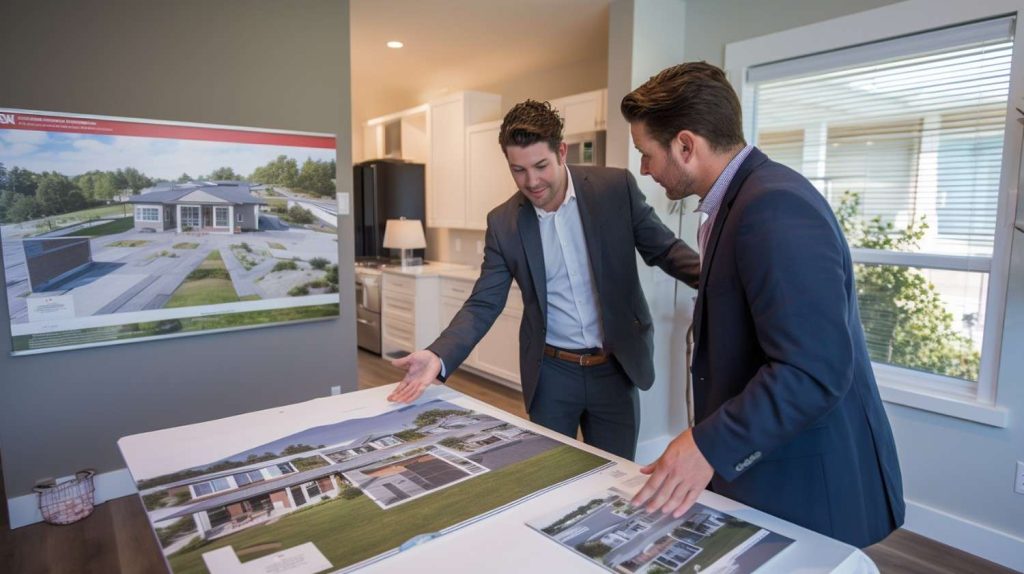
The primary distinction is licensing. Landscape architects need state licenses requiring specific education and rigorous exams. They handle complex projects involving grading, drainage engineering, and structures.
Landscape designers don't need state licenses in most jurisdictions. They focus on residential projects, plant selection, and aesthetics. Expertise centers on horticulture rather than civil engineering.
Landscape architects charge more ($100-$250 per hour versus $50-$150 for designers) due to broader qualifications.
Both create functional landscapes; architects handle structural concerns while designers focus on aesthetics within existing conditions.
You need a landscape architect for significant grading, complex drainage systems, tall retaining walls, or commercial work requiring permits.
Large commercial properties, public spaces, and institutions typically require architects. Their training in site planning, ADA compliance, and regulations makes them essential for commercial landscaping design projects and public outdoor spaces alike.
Challenging topography, steep slopes, flood-prone areas, and unstable soil benefit from the engineering expertise that architects provide.
Most residential gardens, patios, and planting designs work well with landscape designers.
Match professionals to project complexity. Straightforward residential improvements rarely need architect credentials. Transforming challenging sites or planning extensive structures may justify higher architect fees.
Ask potential professionals if your project needs architectural involvement. Honest designers identify when projects exceed their scope and recommend a comprehensive plan to address the issues.
Budget matters. If architect fees consume most of your budget before building starts, skilled designers might deliver better overall value within residential project constraints.
Finding the right landscape design expert means matching qualifications to project needs. Define scope and budget, search professional directories and local referrals, verify credentials, review portfolios, and meet 2-3 candidates before deciding.
Professional landscape design increases property value and prevents costly mistakes. The right designer saves money and time while creating outdoor spaces you'll use and enjoy.
Start with initial consultations, most cost $100-$200. Use meetings to gauge communication, understand processes, and get preliminary cost ideas.
When you hire a landscape designer who listens well and has proven expertise with similar projects, you create value that compounds over time, leading to more informed decisions about your garden design.
Landscape designers typically charge $50-$150 per hour or $2,200-$6,180 for complete design packages. The average project costs around $4,590 for design services alone. Costs vary based on property size, project complexity, and your location. Initial consultations run $100-$200, often credited toward your project.
Landscape designers create the plans; they design outdoor spaces with detailed specifications for plants, materials, and layouts. Landscapers execute the physical work, they install plants, build hardscape, and maintain landscapes. Some professionals offer both design and installation (design-build), while others specialize in just one area.
Most residential projects work well with landscape designers. You need a landscape architect when projects involve significant engineering (complex grading, drainage systems, tall retaining walls) or commercial properties requiring professional stamping of plans for permits. Architects cost more but bring additional expertise for complex sites.
Simple residential designs typically take 2-4 weeks from initial consultation to final plans. More complex projects requiring extensive planning, multiple revisions, or permit applications can take 2-4 months. Installation adds weeks or months, depending on project scope. Spring and fall are peak seasons, so plan ahead.
Yes, if you hire a design-only professional, you can use their plans to do the work yourself or hire contractors separately. However, landscape installation requires physical labor, proper technique, and sometimes specialized equipment. Many homeowners find professional installation worthwhile, especially for hardscaping and large plantings.