Modern Vintage Interior Design Ideas: The Sweet Spot Between Old Soul and Fresh Style
26 January, 2026
⚪
Johansson
Home > Blog > This Blog
You walk into a furniture store and fall in love with a sleek, minimalist sofa. Yet, when you get home, your eyes can’t help but drift towards your Pinterest feed full of gorgeous antique art pieces. Don’t worry, you’re not alone in this design dilemma. In a recent survey, Houzz found that 60% of homeowners say they prefer mixing vintage and contemporary decor, rather than committing to a single style.
Loving both aesthetics isn’t the issue. But the challenge of marrying both styles without making your home look like either an antique thrift store or a sterile museum display is. Modern vintage interior design offers the solution: a systematic approach to blending old and new that creates sophisticated, personalized spaces. You’re not randomly placing antique finds next to modern furniture, but understanding and working with the principles that make these contrasting elements work in harmony, creating rooms that feel both timeless and current.
In this blog, I’ll show exactly how you can satisfy your inner vintage buff, but with a modern twist. From getting the foundation right to selecting statement pieces that connect decades of interior design history, here’s everything you need to know about the vintage modern style.
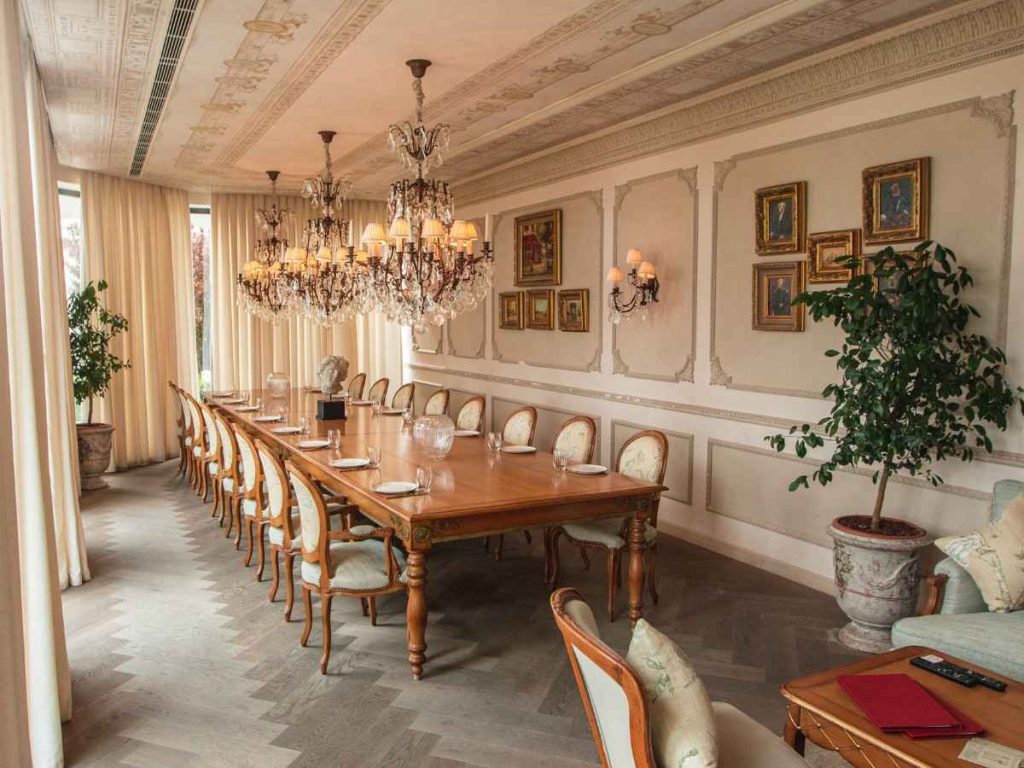
Before you even think about mixing periods and styles, you need to understand what makes the combination of modern and vintage work in the first place. In my 20+ years of experience, I’ve seen too many attempts fail because homeowners simply don’t know enough about the combination. Here’s all you need to know about mixing modern and vintage interiors before you make any design and decor decisions.
Modern vintage interior design is the deliberate combination of vintage and modern furniture and decor elements with carefully selected pieces from past eras, typically vintage items at least 20 years old. This approach goes beyond simple mixing and matching. It's about creating visual conversations between different time periods while maintaining cohesion through color, texture, or form.
The interior design style works because it addresses two fundamental desires in home design: the clean functionality of modern pieces and the character-rich storytelling of vintage decor finds. Recent market analysis shows that the second-hand vintage furniture market is expected to grow at 7.7% in the next 5 years, reflecting this collective desire for meaningful, sustainable design choices that bring personality to contemporary spaces.
The most reliable framework for modern interior design is the 70/30 rule. Dedicate roughly 70% of your space to one dominant style (usually contemporary for its clean backdrop), then introduce 30% vintage elements as character-defining accents. This proportion prevents your room from feeling like a time capsule while ensuring vintage pieces make a meaningful impact.
For example, anchor your living room with a modern sectional, a contemporary coffee table, and a streamlined media console. Then add some vintage design elements like a leather club chair, an antique floor lamp, and a collection of mid-century ceramics. A foundation of modern style provides coherence, while curated pieces add vintage charm and the layers of interest that make a space memorable.
Modern vintage style succeeds across different room sizes and architectural styles because it's inherently flexible. Small apartments benefit from the space-saving efficiency of modern furniture paired with one or two vintage conversation pieces. Larger homes can handle more dramatic vintage statements, like an antique armoire in a modern bedroom or vintage dining chairs around a contemporary table.
The approach also aligns with growing sustainability concerns. By incorporating pre-owned pieces, you're participating in the circular economy while creating interiors with genuine character. Mixing these design elements is more than just aesthetics; it's about creative problem-solving in design that respects both the current resources and history.
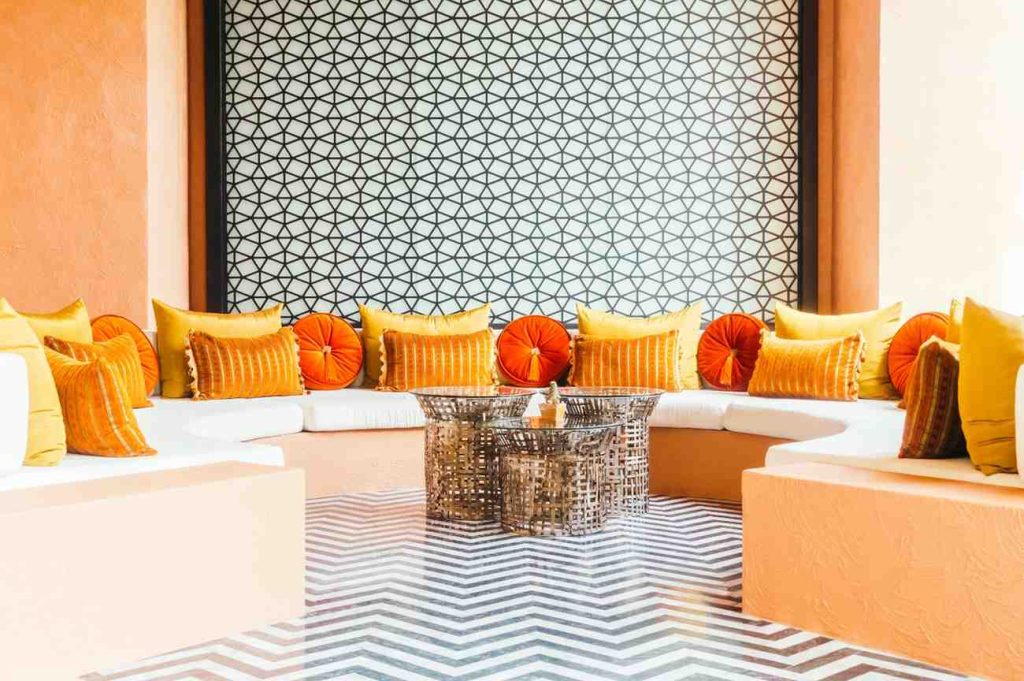
Every successful modern vintage space starts with the right foundation, and that foundation. I've learned that trying to blend different eras without a unifying backdrop is like conducting an orchestra without a score. Let me tell you how you can create the perfect canvas that will make your vintage and modern pieces gel together.
Your color palette is the invisible thread that ties modern and vintage elements together. I’ll recommend starting with a neutral base: whites, grays, beiges, or soft blacks, which allows both contemporary and vintage pieces to coexist without competing.
This doesn't mean your space must be monochrome. Once you establish your neutral foundation, you can introduce color through vintage textiles, artwork, or painted furniture. The key is ensuring these colors appear in both modern and vintage elements. If your vintage rug features deep blue and terracotta, echo those tones in modern throw pillows or contemporary art.
Begin with modern fundamentals: a contemporary sofa, clean-lined storage, and simple window treatments. These pieces should feel almost invisible. Remember, they’re not the center of attraction. Choose furniture with call-backs to classic design, like a sofa with slightly curved arms or a dining table with tapered legs. These transitional details help bridge the gap to vintage additions.
Quality matters more than quantity here. Invest in well-made modern basics that will age gracefully alongside your vintage finds. Avoid trendy modern pieces that might look dated in five years, and stick to timeless contemporary designs that have already proven their staying power.
Your home's architectural features influence how you blend modern and vintage. Original hardwood floors, crown molding, or exposed brick naturally support vintage pieces, while floor-to-ceiling windows and open floor plans favor modern furniture. Work with these features rather than against them.
In older homes, modern furniture can provide a refreshing contrast to traditional architecture. In newer construction, vintage pieces add the warmth and character that contemporary architecture sometimes lacks. Consider your architecture as another element in your modern-vintage mix, aiming for that same 70/30 balance between old and new.
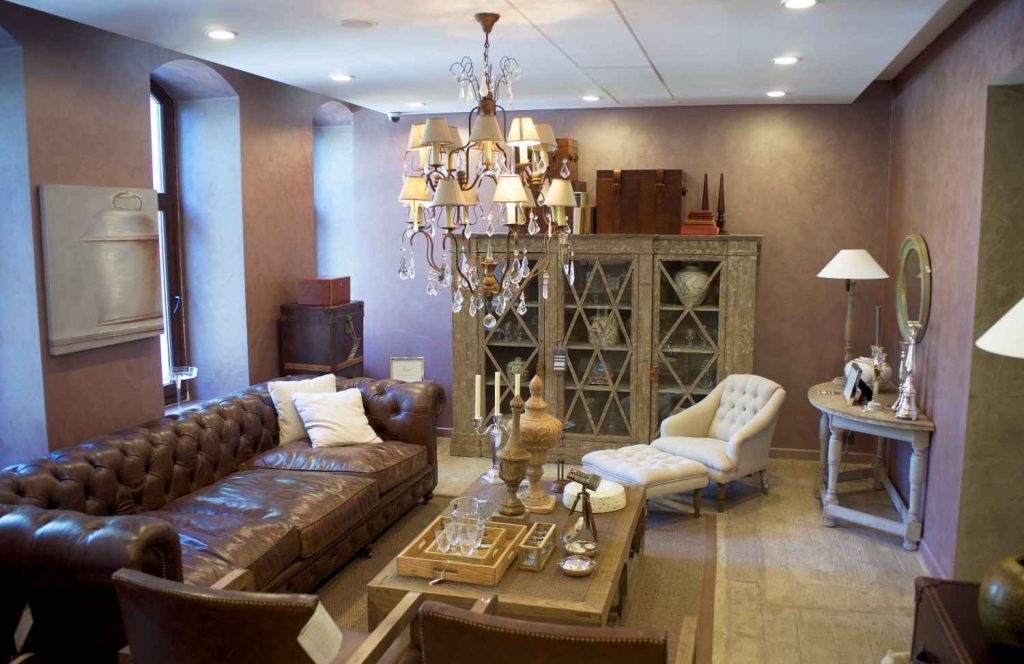
Not all vintage pieces have the same impact when paired with a modern setting. Working with so many mixed-era interiors has helped me identify the vintage elements that consistently deliver the best output with minimum risk. The following are the pieces that bridge time periods gracefully and make your space feel special.
Select vintage furniture pieces that command attention without overwhelming the room. Interior design professionals suggest starting with one significant vintage piece per room, perhaps a restored mid-century credenza in your living room or an antique vanity repurposed as a bathroom sink.
These focal points should be functional, not just decorative. A vintage dining table that seats your family, an antique desk where you actually work, or a retro bar cart you use for entertaining. When vintage pieces serve real purposes, they integrate naturally into daily life rather than feeling like museum displays.
Lighting might be the most effective way to introduce vintage character into modern spaces. A vintage chandelier over a contemporary dining table creates immediate visual interest. Art Deco sconces flanking a modern bathroom mirror add glamour without requiring major changes. Even a single vintage table lamp on a minimalist console makes a statement.
The beauty of vintage lighting is its ability to cast familiar warmth in contemporary settings. Modern LED bulbs in vintage fixtures give you energy efficiency with nostalgic ambiance, serving as proof that old and new can work together functionally as well as aesthetically.
Smaller vintage pieces like mirrors, artwork, ceramics, and textiles allow you to experiment with modern vintage style interior design without major commitment. Group vintage books on modern floating shelves. Display antique brass objects on a contemporary console. Layer a vintage Persian rug over modern wall-to-wall carpeting. If you’re feeling particularly bold, add a fitting wallpaper to make your interior stand out even more.
These accents provide flexibility as your taste evolves. Unlike large antique furniture pieces, decorative vintage elements can be easily moved, swapped, or stored. When you mix modern and vintage interior trends for the first time, this is the best place to start.

Each room in your home presents unique opportunities and challenges for blending eras. In this section, I'll walk you through specific strategies for every space. What works in a living room might fail in a bathroom. Thus, the key is understanding each room's functional requirements while maintaining your overall design vision.
The living room offers prime opportunities for modern vintage success. Pair a streamlined sofa with vintage leather chairs, or place an antique trunk as a coffee table. These conversation pieces: a vintage record player or mid-century pottery collection, demonstrate design confidence while sparking discussion.
When designing any home, I love keeping beds modern for comfort while adding vintage nightstands and dressers for personality. This approach works particularly well in large bedrooms, helping you make the most of that extra space. Apart from the furniture, vintage textiles like quilts, pillows, and curtains soften modern furniture while adding pattern and history.
Contemporary kitchen cabinetry pairs beautifully with vintage bar stools or retro pendant lights. In dining areas, try modern chairs around a vintage farm table. If you have a small or modular kitchen, an open shelving displaying vintage dishware against modern backsplashes embodies the vintage modern home decor aesthetic perfectly.
Small bathrooms handle bold vintage statements well. A vintage mirror or repurposed vanity with modern fixtures exemplifies creative modern and vintage interior design without compromising functionality.
After years of helping clients blend modern and vintage elements, I've seen the same mistakes happen repeatedly. The good news is that once you know what to watch for, these pitfalls are entirely avoidable. These are the three most common errors that can derail your vintage modern interior design project.
Limit yourself to two vintage eras maximum. The goal is to have an eclectic, yet well-curated interior, not a chaotic one. Each piece should feel intentional, contributing to the room's narrative rather than competing for attention.
Vintage furniture often differs in scale from modern pieces. Measure carefully and distribute vintage pieces throughout the room for visual balance. One large vintage piece should be balanced with several smaller modern elements.
Once again, I emphasize that successful vintage design isn’t a product of just throwing things together, but a deliberate approach to unifying elements: shared colors, materials, or shapes. Before adding pieces, identify at least two connections to existing elements.
Modern vintage interior design isn't about following rigid rules, but understanding principles that help seemingly disparate pieces work together. Start with your 70/30 foundation, establish visual connections through color and material, and choose vintage pieces that serve real functions in your daily life.
Begin small. Add a vintage lamp to your modern bedroom. Place an antique mirror in your contemporary entryway. As you gain confidence, tackle larger integrations. This approach to design creates spaces that tell your story, combining the clean efficiency of today with the craftsmanship and character of yesterday. If doing all this yourself seems too much, get an expert interior designer, like Johansson Design, on board to make things easier.
Whether you're decorating a studio apartment or renovating a whole house, remember that the best interiors reflect timeless design that serves multiple generations. By thoughtfully blending modern and vintage elements, you're creating spaces that honor both innovation and tradition, and rooms that feel simultaneously fresh and familiar.
The 70/30 rule works best for most spaces: 70% modern, 30% vintage. This proportion maintains contemporary functionality while adding sufficient character. However, rooms can successfully handle 60/40 or even 50/50 ratios if pieces are carefully selected and share unifying elements.
Absolutely. Small spaces actually benefit from this approach. Use modern furniture for space-efficient functionality, then add one or two impactful vintage pieces, like a statement mirror or unique chair, that add personality without consuming floor space.
Limit yourself to two vintage eras maximum and ensure they share common ground with similar wood tones, complementary colors, or related design philosophies. For instance, Art Deco and mid-century modern both emphasize geometric forms and quality craftsmanship.
Begin with lighting, mirrors, or side tables. These pieces are relatively affordable, easy to integrate, and simple to replace if your taste changes. They provide immediate impact without requiring major room reorganization.
Budget depends on the rarity of items you pick and the quality of the entire work, but plan for 20-40% more than comparable new furniture to account for restoration or reupholstery. Remember that quality vintage pieces often appreciate in value, making them investments rather than expenses.